Author: Vedika Jogani

  • The Power of Self-Talk in Tennis

    The Power of Self-Talk in Tennis

    Authors – Vedika Jogani

    A recent graduate from Ithaca College with a Master’s degree in Sports and Exercise Science, specializing in Mental Performance, Vedika Jogani is OMP’s Product and Content Manager.

    Ever wondered how athletes playing an individual sport pump themselves up?

    How do they push through setbacks when it’s just them on the court, relying solely on their own pep talks? This is through the power of self-talk.

    Self-talk has been found to enhance attentional focus, confidence, regulate effort, control cognitive and emotional reactions and trigger automatic execution of skills and tasks.

     A study done in 2001 examined reasons for why athletes use self-talk and defined into under 2 broad dimensions:

    1. Motivational dimension: this is used for psyching-up, increasing self-confidence and regulating anxiety. 
    1. Cognitive dimension: this is used for execution of skills and development of strategies. 

    Athletes primarily use two distinct kinds of self-talk:

    1. Instructional Self-Talk: the use of cues that instruct or guide certain aspects of performance like “Bend your knees,” “Focus on the shot.” 
    1. Motivational Self-Talk: the use of positive statements or words to increase confidence, motivation like “I can do it.” 

    Research suggests that motivational self-talk can have a greater impact on motivational related outcomes like confidence, effort and self-efficacy beliefs.

    A study done on tennis players found that the use of motivational self-talk increased self-efficacy and performance.

    This study revealed that tennis players engaging in motivational self-talk led to improvements in both self-efficacy and performance.

    The study also found a correlation between changes in self-efficacy and changes in performance, indicating that enhanced self-efficacy could potentially explain the positive impact of self-talk on performance.

    Given the significance of self-efficacy in athletic performance, these findings underscore the effectiveness of motivational self-talk as a strategy for cultivating self-efficacy. 

    Self-talk stands as the athlete’s inner coach, fueling focus, confidence, and skill execution.

    Research underscores its pivotal role, especially in tennis, where motivational self-talk enhances self-efficacy and performance.

    By harnessing the power of positive affirmations and instructional cues, athletes navigate challenges, fostering a mindset of empowerment and peak performance. 
  • Unlocking Mental Toughness in Youth Soccer

    Unlocking Mental Toughness in Youth Soccer

    Authors – Vedika Jogani

    A recent graduate from Ithaca College with a Master’s degree in Sports and Exercise Science, specializing in Mental Performance, Vedika Jogani is OMP’s Product and Content Manager.

    Have you ever wondered about the psychological stressor’s young athletes face?

    How do they navigate a myriad of psychosocial challenges?

    From early experiences to their journey into adulthood, every interaction molds their path to success.

    Successful athletes are often hailed for their ‘mental toughness,’ but what exactly does this entail?

    Mental toughness encompasses behaviors like adaptability, positive body language, discipline, composure, and purposeful competition.

    1. Adaptability and positive body language: staying focused, rebounding from mistakes, and demonstrating courage.
    1. Discipline and composure: remaining calm under pressure and avoiding distractions.
    1. Competing and training with purpose: clarity, precision, effective movement, intentional execution, practice new behaviors beyond your comfort zone and communication. 
    1.  Training with purpose: engaging in meaningful discussions, intentional execution, practicing new behaviors, and pushing beyond comfort zones. 

    Gucciardi et al (2015) characterized mental toughness as an individual’s capacity to endure and adapt to a range of psychological demands in pursuit of both personal and performance-based goals across situations and time.

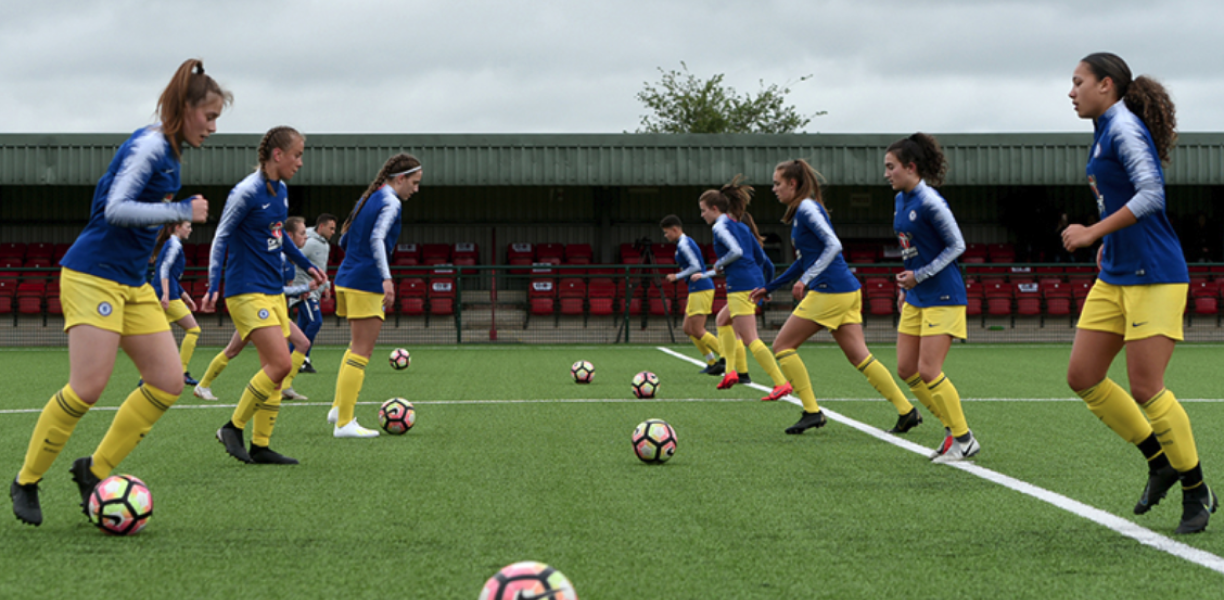
    A study conducted within the UEFA (Union of European Football Associations) examined mentally tough behaviors among youth soccer players, focusing on specific contexts such as training and competition.

    It delved into how key stakeholders like coaches, support staff, parents, and teammates could nurture the development of mentally tough behaviors in players.

    The study found that a player’s mental capacity is developed through three key relationships:

    1. Player-coach relationship: Coaches should use strategies like layering expectations and rationalizing mistakes to develop mental toughness in their athletes. Coaches should create a psychologically safe environment where players are comfortable making mistakes. 
    1. Player-parent relationship: A player’s home environment and their relationship with parents is a key factor to develop mental toughness. Parents implement strategies such as providing ownership, emotional support, and tangible assistance to aid their child’s mental toughness development.
    1. Player-Player relationship: Developing strong relationships with teammates, both on and off the field, is crucial for players to build the mental toughness needed to perform under pressure. Strategies include healthy conflict resolution, teamwork, trust-building, and stepping out of one’s comfort zone.

    The study goes on to highlight the mental skills required by both coaches and athletes to maintain mental toughness:

    1. Reflective Practice: Coaches guide players to analyze performances, fostering critical thinking and autonomy for identifying areas of improvement under pressure. 
    1. Autonomy Supportive Behaviors: Coaches encourage players to express themselves, fostering ownership and stress coping abilities. 
    1. Unit-Based Reflection: Players review sessions or game clips in small groups, promoting participation and open communication. 
    1. Team-Based Meetings: Coaches stress teamwork and effort in collective reflection sessions, reinforcing trust and support within the team. 

    In youth soccer, mental toughness is fostered through reflection, supportive coaching, and teamwork, shaping players to develop adaptability, discipline, and competitive spirit. 

    These practices cultivate resilience and trust, empowering players to overcome challenges and grow, both on and off the field. 

  • The Mental Side of Formula 1

    The Mental Side of Formula 1

    Authors – Vedika Jogani

    A recent graduate from Ithaca College with a Master’s degree in Sports and Exercise Science, specializing in Mental Performance, Vedika Jogani is OMP’s Product and Content Manager.

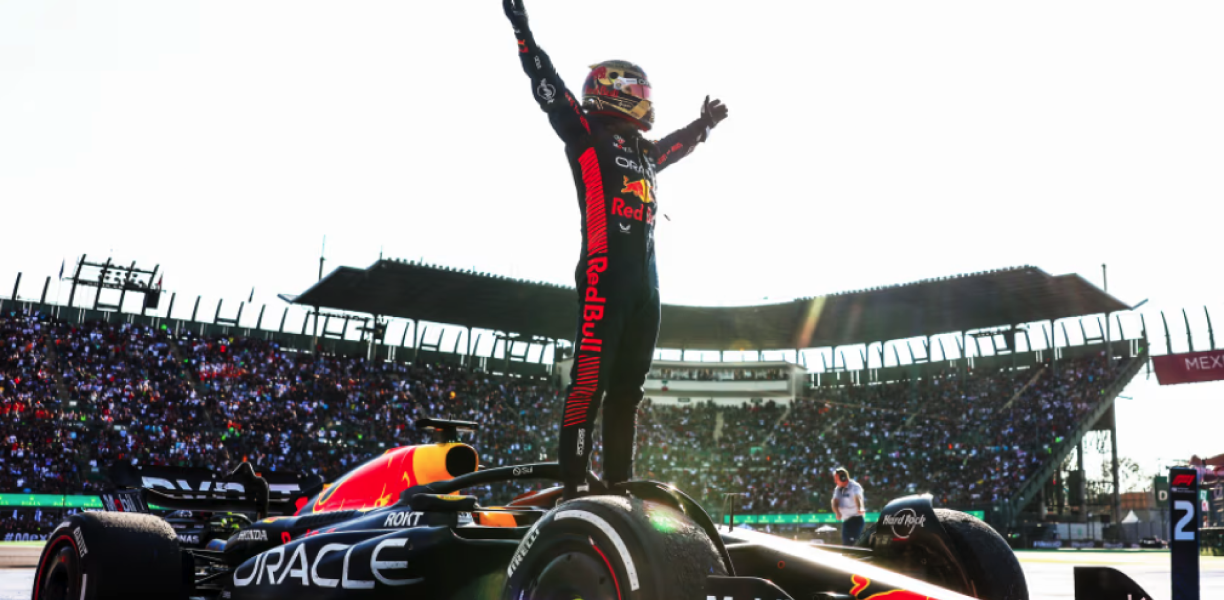
    The 2024 Formula One season is off and racing, and while the sport’s physical nature is widely known, have you wondered about the mental demands racing?

    In a realm where split-second decisions determine success amidst speed and peril, mental fortitude is just as crucial as physical prowess. 

    One of the greatest drivers of all time, Sir Lewis Hamilton, has spoken about how important being mentally prepared for racing is.

    He says, “There’s this huge psychological and emotional rollercoaster that you’re going through that it will be really hard for people to comprehend.”

    8-time race winner Daniel Ricciardo has also spoken about his mental preparation for racing, revealing his pre-performance ritual involves listening to music, controlled breathing, and a positive inner dialogue.

    The Australian has said that these practices help him enter a heightened state of concentration and readiness before taking to the track.

    Here are some of the key psychological factors that can impact a driver’s performance on track: 

    1. Focus

    With speeds exceeding 200 miles per hour, the margin for error narrows to the point of life-threatening consequences.

    Maintaining unwavering focus amidst such intensity is a daunting task.

    However, drivers can employ techniques such as visualization, imagery, and breathing exercises to sharpen their focus and concentration. 

    1. Confidence

    Confidence serves as a cornerstone in a driver’s career trajectory.

    Believing in one’s ability to perform at the pinnacle of their potential in every race is paramount.

    Drivers must trust their instincts and make split-second decisions with conviction. 

     Cultivating confidence entails practicing routines and revisiting past successes to bolster self-assurance. 

    1. Resilience and Emotional Regulation

    Formula One is a dangerous sport.

    Drivers can witness, or be part of, dangerous accidents and must start again.

    This requires resilience and the ability to think in the here and now.

    Athletes feel many emotions in a short time, like handling mistakes or dealing with car problems they can’t control.

    Grounding techniques and mindfulness can help build resilience and help with emotional regulation.

    As the 2024 Formula One season unfolds, it becomes evident that mental strength is as vital as physical prowess.

    Insights from champions like Lewis Hamilton and Daniel Ricciardo underscore the importance of focus, confidence, and resilience in navigating the high-pressure world of racing.

    These psychological factors are key in enhancing performance and ensuring success on the track. 

  • Post Event Reflection

    Post Event Reflection

    Authors – Vedika Jogani

    A recent graduate from Ithaca College with a Master’s degree in Sports and Exercise Science, specializing in Mental Performance, Vedika Jogani is OMP’s Product and Content Manager.

    Are you ready to take your athletic performance to the next level? Imagine having the ability to dissect every aspect of your game, from skill execution to emotional regulation, with pinpoint accuracy.

    It’s no secret that top athletes possess an uncanny ability to recall and analyze their performances with precision.

    But what if there’s a groundbreaking tool revolutionizing the way athletes approach self-awareness and performance enhancement? 

    Enter the Post-Event Reflection (PER), a game-changing online tool introduced by Chow and Luzzeri in 2019.

    This innovative system has been proven to elevate self-awareness and mental skills among athletes, particularly in the realm of ice hockey where 22 female athletes experienced remarkable improvements.

    But why is this tool so revolutionary? The answer lies in the power of self-awareness.

    According to Glaser (2014), self-awareness is the key to monitoring and evaluating one’s own performance.

    Athletes equipped with this trait not only excel in skill development and execution but also in emotional regulation and arousal management. 

    Post-Event Reflection (PER) has been shown to elevate self-awareness regarding mental skills and performance among 22 female ice hockey athletes.

    Through a mixed-method approach, it was discovered that self-reflection enhances self-awareness, empowering athletes to dissect their performance across various dimensions.

    By analyzing post-event data, athletes could draw correlations between mental skills and performance attributes.

    For instance, they noted that negative self-talk corresponded with diminished confidence, yet through reflection, they could pinpoint areas for improvement.

    Also, athletes reported experiencing heightened self-compassion and self-assurance due to this introspection.

    The implementation of PER resulted in tangible performance enhancements, fostering a greater mindfulness of individual attributes and instilling self-assurance. 

    In summary, post-event reflection emerges as a crucial element in optimizing athletic performance.

    By fostering self-awareness and facilitating continuous improvement, it equips athletes with the insights needed to refine skills, regulate emotions, and enhance overall performance.

    Embracing this practice becomes paramount for athletes striving to unlock their full potential and excel in competitive endeavors.