Author: Ryan Miller

  • Why Not Us? The Mindsets Powering World Cup Underdogs

    Why Not Us? The Mindsets Powering World Cup Underdogs

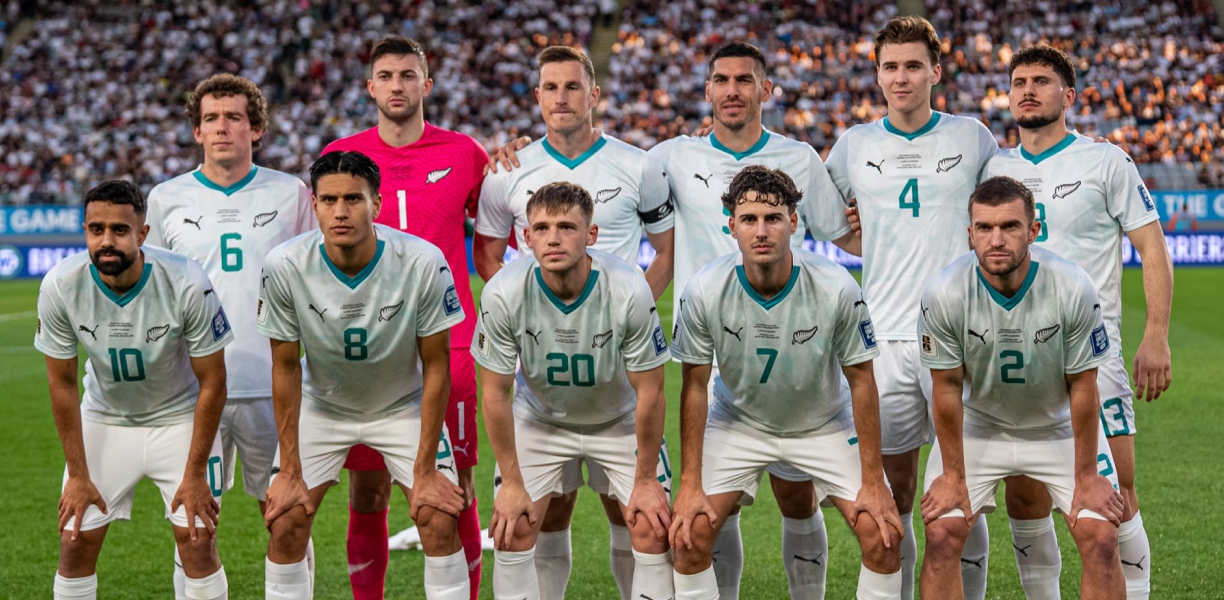
    One of the features of the FIFA World Cup is that it pits football powerhouses against minnows. 

    Occasionally these mismatches produce great upsets. 

    USA defeating England in 1950, North Korea triumphing over Italy in 1966, Saudi Arabia shocking eventual champions Argentina in 2022 and South Korea winning through to the Semi Finals in 2002. 

    It shows what is possible. 

    But with no nation from outside the top 20 having won the World Cup, there is a sense from fans and the media back home (and possibly some players) that “we can’t win the World Cup”.

    But why not?

    Here are four ways that low ranked countries can approach the World Cup to ensure they are mentally ready to create history: 

    Why Not Us?

    Approaching the World Cup without pressure or external expectations can actually be a competitive advantage.

    It creates freedom, the kind that allows players to express themselves, take risks, and enjoy the game without fear of failure. 

    Research in sport psychology supports the value of enjoyment-focused environments, showing that enhancing autonomy-supportive sources of enjoyment can improve engagement, confidence, and performance (Wiersma, 2001).

    When players feel free to play, without being weighed down by outcome pressure, performance often becomes more natural and instinctive. 

    Focus on Process

    At this level, success is built long before match day.

    Trusting the process means fully committing to the preparation you’ve already done – physically, technically, and mentally. 

    From a sport psychology lens, this builds self-efficacy: the belief that you are capable because you’ve put in the work.

    When players trust their preparation, they are more likely to stay composed under pressure and less likely to be derailed by moment-to-moment outcomes. 

    Set Realistic Goals

    Goals are powerful, but only when they are within your control and grounded in reality. 

    While outcome goals (like winning) are important for direction, over-focusing on outcome goals can create pressure and distract from performance. 

    Process and performance goals help keep perspective; they shift attention toward how you want to play rather than just the result.

    This allows teams to stay grounded, even when results don’t go their way. 

    Stay the Course

    Tournament football is full of emotional swings – momentum shifts, unexpected results, and external noise.

    The teams that cope best are the ones that stay emotionally steady. 

    Staying the course means not overreacting to single games, whether good or bad.

    It’s about staying aligned with your identity, sticking to your values, and trusting your long-term direction. 


    Success at the World Cup often comes down to mindset as much as talent.

    Teams that play with freedom, trust their process, and stay grounded in realistic goals are better able to perform under pressure.

    Staying consistent and emotionally steady gives even underdogs a real chance to compete. 
  • Rest: The Hidden Performance Tool Athletes Often Ignore

    Rest: The Hidden Performance Tool Athletes Often Ignore

    Athletes place a huge amount of stress on their bodies and minds through intense training and competition schedules.

    Because of these high training loads, the risk of injury and fatigue is significantly increased.

    Research shows that fatigue can lead to muscle damage, inflammation, and metabolic stress, all of which can negatively impact both performance and overall well-being. 

    A recent qualitative study explored athletes’ and coaches’ perceptions of recovery, including why athletes engage in recovery strategies and what factors influence whether they consistently use them.

    The findings highlight an important point: recovery is not just about physical restoration it is also deeply psychological. 

    Recovery can be broken down into three main areas: 

    1. Natural Recovery Strategies

    These are the foundational habits that support long-term performance and well-being, including: 

    • Sleep
    • Hydration
    • Nutrition
    • Rest

    2. Physical Recovery Strategies

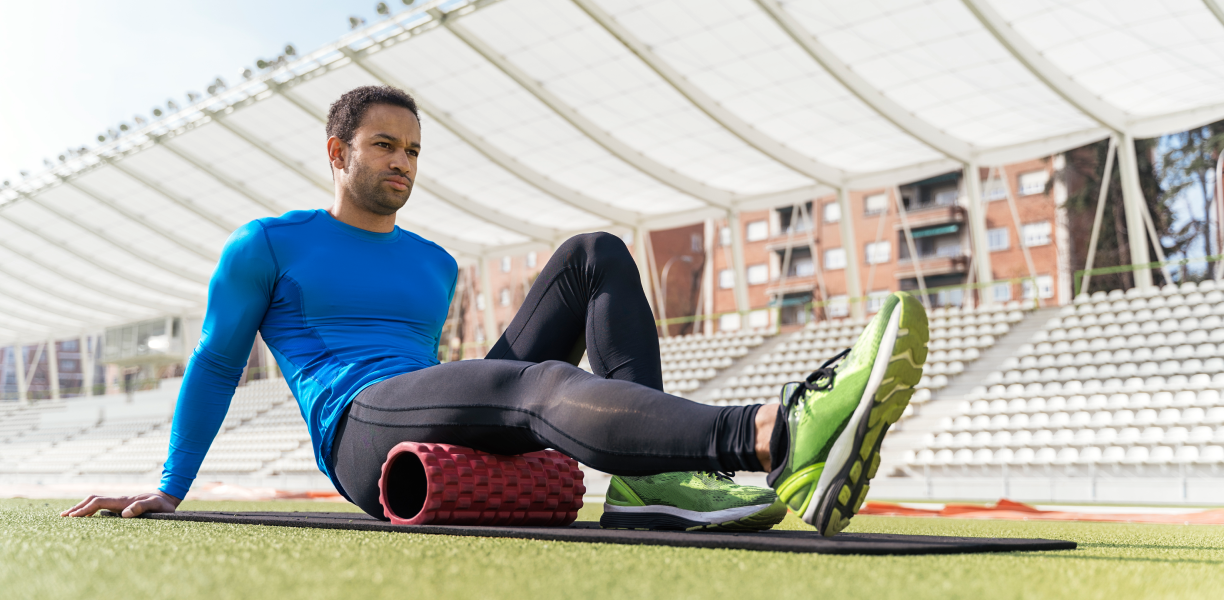
    These methods are aimed at reducing physical fatigue and supporting the body’s recovery process. Examples include: 

    • Contrast water therapy
    • Cryotherapy
    • Electrostimulation
    • Stretching
    • Massage
    • Active recovery
    • Compression garments

    Many athletes use these strategies to reduce soreness, improve readiness, and feel physically prepared for their next performance. 

    3. Psychological Recovery Strategies

    Recovery also involves restoring mental and emotional energy. Psychological strategies can include:

    • Mental imagery
    • Controlled breathing techniques
    • Meditation
    • Social support
    • Post-competition reflection or debriefing

    One theme that consistently appeared in the research was the importance of “switching off.” 

    Athletes reported that intentionally disconnecting from training and competition helped them relax, reset mentally, and return with greater focus and energy. 

    The study also highlighted the importance of routines.

    Consistent recovery habits can make recovery feel more manageable and easier to integrate into daily life. 

    Sleep, in particular, was repeatedly identified as one of the most valuable recovery tools. 

    From a sport psychology and mental performance perspective, athletes are more likely to engage in recovery strategies when: 

    • They understand how the strategy benefits them
    • They notice positive effects on how they feel and perform
    • The strategy is easy to implement consistently
    • Their environment supports recovery

    The training and social environment also plays a major role.

    Coaches, teammates, and support staff can strongly influence how recovery is viewed within a team culture.

    When recovery is normalized and encouraged, athletes are more likely to prioritize it. 

    One challenge many athletes face is the unconscious bias toward overtraining.

    Many athletes associate constant work with improvement, which can make rest feel unproductive or even uncomfortable.

    Sport psychology can help athletes reframe recovery, sleep, and rest as performance-enhancing tools rather than signs of weakness or laziness. 

  • How USA Can Manage Host Nation Expectations

    How USA Can Manage Host Nation Expectations

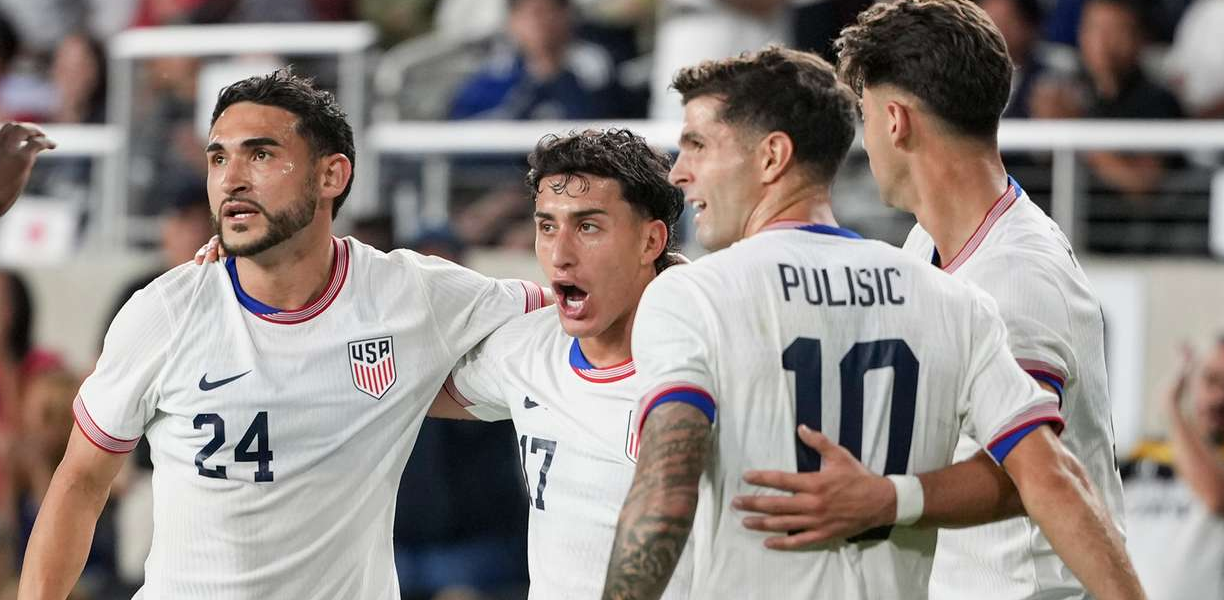
    The expectations that come with hosting the FIFA World Cup are always high, but for this tournament, it feels like the pressure has been ratcheted up to 11 for the United States. 

    While Canada and Mexico share hosting duties with the US, the media pressure and expectations that the US seem to be far higher. 

    Let’s be clear, any nation that has qualified for the World Cup can win it and are all motivated to create their own piece of history. 

    That being said, the bar is being set pretty high. 

    The NY Post were a bit more conservative saying “on paper the US should win the group”, Fox Sports analyst Maurice Edu put the pass mark at a quarter final, while a host of former US Mens Soccer greats including Landon Donavan called the squad the most talented in history with Eric Wynalda going as far to say that a Semi-Final appearance was realistic. 

    Admittedly it is easier than ever to progress for the group stages, but the world number 16s still need to perform against Türkiye (22), Australia (24) and Paraguay (39) 

    It came as no surprise that ahead of their Friendlies against European heavyweights Belgium and Portugal in March (they lost both), star forward Christian Pulisic admitted the team was feeling the pressure. 

    “There’s pressure. I feel it. Yes, like, it’s there,” Pulisic said.

    “But it’s nothing that I can’t handle. I’m going to attack it head on. We are as a team.” 

    But what does “attack it head on” look like?

    Here are four ways the US Men’s Soccer Team can handle the pressure ahead of and during this World Cup:

    1 Reframe pressure as privilege, not threat

    Pressure is often interpreted as something to avoid, but at elite level it is actually a sign of meaning and expectation.

    Using cognitive reappraisal, players can shift from “we have to win” to “we get to compete on this stage.”

    This mindset helps reduce anxiety responses and supports a challenge state rather than a threat state — improving decision-making, confidence, and composure under stress. 

    2 Control the controllables

    One of the most effective pressure-management tools in sport psychology is narrowing focus to controllable factors: effort, communication, positioning, and decision-making.

    External expectations, rankings, and media narratives cannot be controlled, and over-focusing on them increases cognitive load.

    Keeping attention on process goals helps stabilize performance when the emotional intensity rises. 

    3 Use reset routines to manage emotional swings

    World Cup matches will bring momentum shifts, mistakes, and high-pressure moments.

    Players need reliable reset strategies to quickly return to baseline after errors or big moments.

    This can include breath control, cue words (“next action”), body language resets, or short focus anchors.

    These routines prevent emotional carryover and help maintain performance consistency across the full 90 minutes 

    4 Use external noise as fuel

    Media expectations, criticism, and public debate can either add pressure or be used as motivation.

    From a sport psychology perspective, this is about attentional framing – deciding whether external noise is interpreted as a threat or as fuel.

    Teams can deliberately “flip” narratives, using doubt, expectations, or scrutiny as a source of energy and collective motivation.

    When managed well, this external pressure becomes a performance enhancer rather than a distraction, helping players channel emotion into intensity, focus, and competitive edge rather than anxiety. 


    At the end of the day, pressure at a home World Cup is unavoidable – but it is also what makes the experience meaningful.

    For the United States, the challenge is not to remove expectation, but to manage it in a way that brings clarity, focus, and togetherness. 

  • The Mental Side of The Masters

    The Mental Side of The Masters

    One of the most iconic events in sport, The Masters, is set to take center stage this weekend. 

    Played at the legendary Augusta National Golf Club, it’s not just a golf tournament; it’s a mental marathon unfolding over four days. 

    Golf, more than most sports, is mentally grueling.

    It’s long, unpredictable, and often slow-paced, leaving athletes alone with their thoughts for hours at a time.

    Staying in the zone, managing emotions, and maintaining focus throughout the tournament is not easy.

    And then there’s everything that happens between the rounds. 

    The time off the course can be just as challenging as the time on it.

    Players are left reflecting and sometimes overthinking about what just happened and what’s to come.

    If you’re leading, the pressure to stay ahead can creep in.

    If you’re chasing, the urgency to catch up can become overwhelming.

    The key is finding that balance: staying present enough to execute the next shot, while regulating the emotions that come with your position on the leaderboard. 

    World No. 1 Scottie Scheffler offers a refreshing perspective on this mental battle.

    In a recent interview, he shared insights that go beyond technique and into mindset: 

    “Most of the time in golf, you’re probably going to be a little bit disappointed at the end of the week just because there’s only one winner and there’s a lot more losers than that.” 

    It’s a powerful reminder of the reality of elite sport that success is rare, and disappointment is inevitable.

    But how athletes reframe their outcomes is what really matters.

    Scheffler is intentional about not letting golf define him:W 

    “If I let my bad golf define me, I’d be a pretty miserable person.

    “If I let my good golf define me… then I’d walk around pretty arrogant all the time.” 

    This speaks directly to identity and how athletes are more than just the sport they play.

    They have multiple identities outside of the sport.

    Detaching self-worth from outcomes allows athletes to stay grounded, regardless of whether they’re leading the field or fighting to make the cut. 

    And when it comes to handling pressure in the moment, his focus is simple: 

    “I try not to look too far in the past, I try not to look too far in the future.” 

    At a tournament like the Masters, where narratives build quickly and expectations rise with every round, this ability to stay present is everything. 

     It’s what allows players to reset after a mistake, avoid getting carried away after a great shot, and continue executing with clarity.

    The leaderboard will constantly shift, but the athletes who can anchor themselves in the present moment are the ones who give themselves the best chance to perform when it matters most. 

    Ultimately, whether you’re leading or chasing, the battle is the same: managing your mind, one shot at a time.

    That’s what makes golf such a difficult but compelling sport, its not just the skill, but the mental resilience behind it. 

  • Papenhuyzen’s Next Move is Mental

    Papenhuyzen’s Next Move is Mental

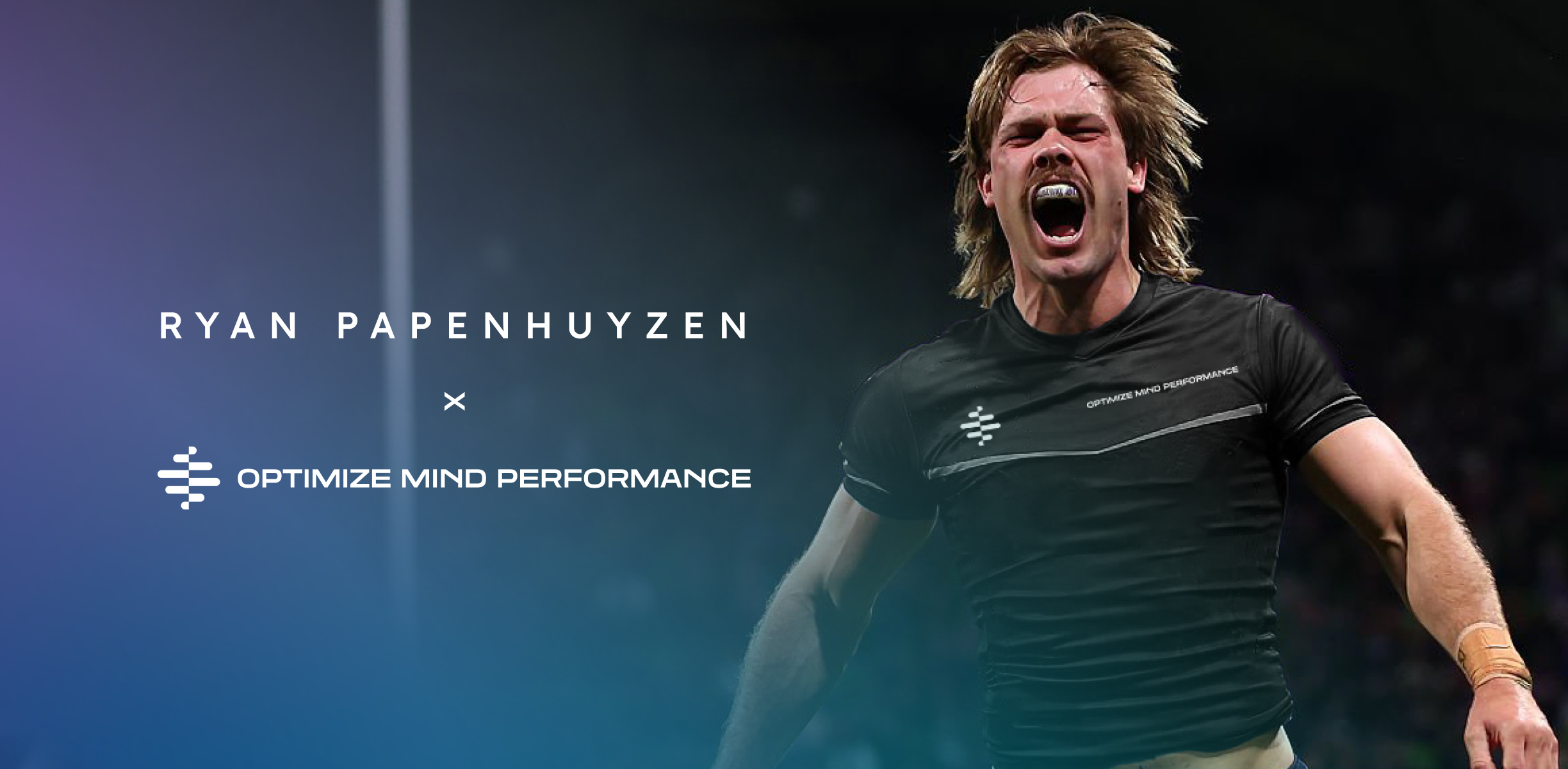
    Former Melbourne Storm fullback Ryan Papenhuyzen has made his first big move since announcing his retirement from the NRL, investing in a mental performance platform. 

    While the 27-year-old has been enjoying more time playing golf, Papenhuyzen is also turning his attention to business backing Optimize Mind Performance (OMP), a Sydney founded, now Boston-based, sports-tech startup that provides athletes with mental skills training resources. 

    Playing 113 NRL games including the Storm’s 2020 NRL Grand Final triumph, Papenhuyzen understands the importance of the mental side of sport. 

    “In professional sport there’s so much focus on the physical side of preparation, but over time I realized the mental side can be just as important,” he said. 

    “Learning how to handle pressure, from performance expectations, fans and the media, is something every athlete goes through.” 

    “There were times in my career where I struggled with that pressure. 

    “Speaking to a sports psychologist and learning some mental skills made a big difference for me. It helped me understand how to manage those moments and perform more consistently.” 

    “Clubs are doing a better job now of supporting players with their mental health and having sports psychologists involved in their programs. 

    “But I still think there’s a gap when it comes to teaching athletes practical mental skills they can use every day. Which in term translates to naturally being able to use it during competition.” 

    “That’s what really drew me to OMP. The platform is about giving athletes easier access to those tools so they can build the mental side of their game the same way they build the physical side.” 

    While known for his Clive Churchill Medal as best on ground in that 2020 Grand Final, Papenhuyzen has been admired across the competition for resilience in the face of several injuries, including a shattered kneecap and fractured ankle. 

    “Coming back from injury is obviously a physical challenge, but mentally it can be just as challenging. 

    “Spending long periods on the sidelines gave me a lot of time to reflect and work on the mental side of things. When you go through multiple setbacks, resilience becomes a huge part of the process. 

    “My injuries taught me that performance isn’t just about how strong your body is, it’s also about how strong your mindset is.” 

    Papenhuyzen isn’t the only sporting star investing in OMP, with six NFL players including New England Patriots Super Bowl Champions Matthew Slater, David Andrews and Brian Hoyer also backing OMP. 

    Through OMP sport psychologists can use the platform to serve athletes within their organization with mental skills training content, with athletes accessing the audio and video through an app. 

    The app also has a library of content created by some of the world’s leading sports psychologists and mental performance coaches. 

    “We’re already seeing athletes and organizations around the world using the platform,” Papenhuyzen said. 

    “It’s not just elite athletes who can benefit either, younger athletes can get a lot out of learning these skills early and building good habits around preparation. With all the distractions around high-performance environments now, if you aren’t practicing mental skills, you’re not giving yourself the best chance.” 

  • The Hidden Mental Demands of Rugby League

    The Hidden Mental Demands of Rugby League

    Ruby League is one of the most-watched sports in Australia with the NRL attracting over 224.2 million viewers in 2025 and it is continuing to grow in the UK, Pacific nations, and beyond.

    But behind the physicality of the sport, psychological preparation is often less prioritized.

    A review published by Australian researchers in early February offers the first comprehensive look at psychological research into elite rugby league, synthesizing 70 studies involving over 7,600 players, coaches, staff, and referees.

    The Importance of the Body and the Mind

    Rugby league is a high-intensity, full-contact sport where players absorb repeated collisions across grueling match schedules with minimal recovery time.

    Research confirms what many already know: the physical load is immense, and it can influence an athlete’s focus, confidence, and overall mental performance.

    The review showed that most players average under six hours of sleep per night.

    Fatigue and reduced wellbeing can persist for up to 48 hours after a game.

    Long-haul travel, congested fixtures, and the relentless pressure of public scrutiny compound these effects, placing athletes under sustained psychological and performance pressure.

    What’s particularly telling is that players often report feeling “fine” on wellness questionnaires even when objective measures say otherwise suggesting that athletes are unable to admit that they are struggling.

    The Culture of “Toughness” Is a Risk

    One of the review’s most striking findings is how deeply ingrained rugby league’s culture of “toughness” often characterized by silence and stoicism can sometimes work against the kind of environment athletes need to perform at their best.

    Players who sought psychological support reported stigma from staff and negative attitudes that discouraged open conversations. When athletes feel they cannot speak up about challenges, small issues can go unaddressed and eventually impact focus, preparation, and performance.

    The practical implication is clear: high-performing environments are not built on silence. They are built on psychological safety — spaces where athletes can communicate openly, seek support, and address challenges early so they can stay focused and ready to perform.

    Culture and Identity

    A significant proportion of elite rugby league players come from culturally diverse backgrounds, yet their psychological experiences remain among the least studied in the literature.

    For many, family, community, and cultural identity are core sources of motivation and central to why they play and how they perform.

    But these deeply held values often collide directly with elite sport’s individualistic, performance-first culture, creating identity strain, internalized pressure, and disengagement.

    This is precisely why cultural identity work matters in sport psychology.

    Helping athletes define their values of understanding where they come from and how they can coexist with the demands of elite sport.

    When athletes have a clear sense of who they are and what drives them, they are better equipped to handle pressure, stay motivated through adversity, and build resilience that lasts beyond the game.

    The Transition to Elite Sport

    The review also sheds light on what separates players who make it to elite level from those who don’t, and it’s not purely physical.

    Elite players typically described supportive, dynamic developmental environments in their formative years.

    Semi-elite players, by contrast, more often reported negative developmental experiences that may have constrained their progression.

    Key psychological traits associated with successful transitions include intrinsic motivation, coachability, and a well-rounded identity beyond sport.

    Rural upbringings, diverse early sport experiences, and strong family and community ties were also common pathways.

    Importantly, early specialization wasn’t essential for later developers who combined specialization with competitive experience also made it to the top.

    For coaches, academies, and sport psychologists working with emerging talent, this reinforces that the environment you create matters enormously.

    Building psychologically safe, culturally responsive learning spaces isn’t just good practice; it may be the difference between developing an elite player and losing one.

    What This Means in Practice

    The research points to several practical priorities for sport psychologists, clubs, and governing bodies working in rugby league.

    Cultural responsiveness is non-negotiable, and at the heart of it is creating psychologically safe environments where athletes feel free to speak about what matters to them.

    Whether voicing cultural pressures, building strategies to manage pressure and sustain performance in elite sport, or maintaining motivation and confidence through the challenges ahead – athletes need to feel seen and heard.

    When they do, they perform better, and they stay in the game longer.

    That’s where sport psychology makes its biggest difference.

    Rugby league is a sport of extraordinary physical courage.

    But the evidence is clear: the psychological demands are just as significant, and they’ve been neglected for too long.

  • The Lessons from Kinsky’s Champions League Nightmare

    The Lessons from Kinsky’s Champions League Nightmare

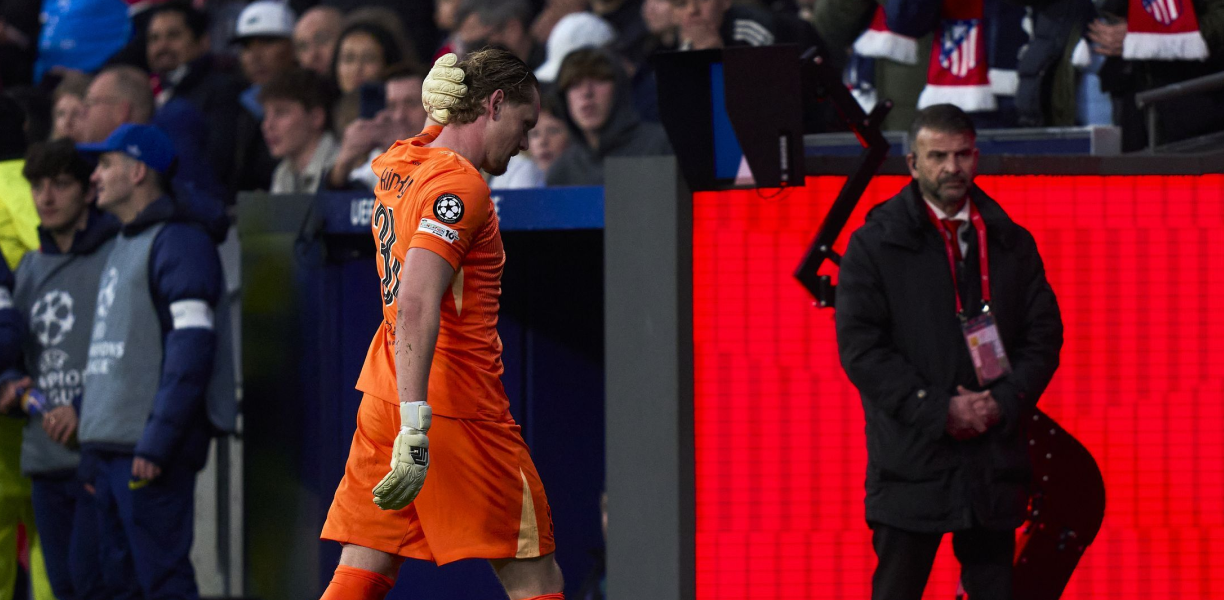
    Last night in the UEFA Champions League, Tottenham Hotspur goalkeeper Antonín Kinský had a night he’ll want to forget.

    On his Champions League debut in Madrid, the 22-year-old made two early errors leading to him being substituted after just 17 minutes.

    A mistake on one of the biggest stages in world football, under immense pressure and in front of millions watching, is any athlete’s worst nightmare.

    The real question is: how do athletes bounce back from moments like this?

    During Performance

    For the Athlete

    Every athlete makes mistakes. One moment, one play, or even one game does not define an athlete’s career or ability.

    What matters most is how they respond. Learning to accept mistakes as part of the performance process and changing your relationship with failure allows athletes to move forward rather than get stuck dwelling on what they did wrong.

    It’s easy to reflect and grow after a performance, but it’s crucial that athletes have skills to overcome mistakes during.

    After an error, mental reset strategies become critical. Tools like self-talk and focus cues help athletes regroup quickly.

    Goalkeepers can write these cue words on their gloves to serve as reminders to reset after a mistake.

    Simple reminders such as “Next play”, “Reset” or “Stay Present”, can help shift attention back to the task at hand. One mistake does not need to spiral into many.

    For Coaches and Teammates

    In Antonín Kinský’s case, Tottenham’s manager Igor Tudor appeared to ignore the forlorn keeper as he left the pitch.

    Moments like this can significantly impact how an athlete processes the mistake.

    When athletes feel unsupported in difficult moments, they may become hesitant around their coach and are less willing to fully express themselves or take risks in future performances.

    Coaches can play an important role in how athletes process mistakes during a performance.

    In this instance, a coach could reassure the athlete by helping them intentionally reflect on their performance rather than leaving them feeling isolated.

    Providing immediate reassurance as Antonín Kinský left the pitch could have helped him process the moment more constructively.

    Simple words like “keep your head up” or “we’ve got you” can make a big difference, reminding the athlete that they are still supported by the team.

    Coaches can also reinforce that one mistake does not define an athlete’s career.

    Showing continued belief in the player can help maintain confidence and make it easier for the athlete to bounce back from the setback.

    Teammates also play a huge role in helping someone bounce back.

    Support, encouragement, and simple gestures like a quick pat on the back or words of reassurance can remind the athlete that the team stands together.

    Knowing that the team has their back can help athletes regain composure and confidence more quickly after a mistake.

    After Performance

    For the Athlete

    Instead of dwelling on the error, athletes can ask: What can I learn from this?

    Reflecting on what happened – be it technically, tactically, or mentally – can help transform a setback into useful feedback for the future.

    This shift allows mistakes to become opportunities for growth rather than moments that damage confidence.

    For example, Antonín Kinský might review the situation and reflect on whether the mistake came from positioning, decision-making under pressure, or communication with his defenders.

    Identifying the specific factor can allow him to focus on improving that element in training and future matches.

    Following this performance Kinský – and many other athletes in his position – will have their confidence shaken, so it’s important for athletes to draw upon their sources of confidence in these moments.

    Athletes reach the highest levels for a reason. In moments of doubt, it’s important to reconnect with past performances where things went well.

    Visualization can help here – mentally rehearsing successful saves, confident decisions, and strong performances can remind the athletes like Kinský what they are capable of.

    For Coaches and Teammates

    When it comes to coaches reviewing game film can help and athletes to identify what needs improvement, but it’s equally important to highlight what the athlete did well.

    Setting small, controllable process goals can help an athlete regain confidence.

    For a goalkeeper, this might include:

    • Strong communication with defenders
    • Clear decision making
    • Resetting quickly after each play

    These goals bring the focus back to what the athlete can control.

    Kinský’s Tottenham’s teammates can also have a great impact on restoring his confidence.

    Simple gestures like a teammate putting an arm around Kinský’s as he leaves the pitch, which some teammates and staff did, offering words of encouragement and even checking in with him after the game can help reduce the embarrassment and show that the team has his back.

    Additionally, teammates can remind him of the performances and saves that got him into this level in the first place reinforcing that one make does not define his ability.

    Treating him like they did before with empathy and kindness can reinforce the athlete to get back to playing with confidence and focus.


    Games like Kinský’s remind us that even the best athletes face setbacks on the biggest stages.

    What truly defines them is their ability to reset, learn, and come back stronger the next time they step onto the field.

  • Winning Doesn’t Define Success

    Winning Doesn’t Define Success

    If this year’s Winter Olympics in Milano-Cortino has proven anything it’s that the athletes competing in the games need to be both physically and mentally tough.

    Athletes aren’t only managing extreme conditions and elite competition; they’re also managing expectations, pressure, and identity on the biggest stage in sport.

    Chinese Freestyle Skier, Eileen Gu, was consider one of the favorites in the Big Air, Slopestyle and Halfpipe competitions.

    The 22-year-old would win Silver in Big Air and Slopestyle before striking Gold in the Halfpipe.

    In her post-performance press conference after finishing second in Slopestyle, Gu was asked if she viewed her two silver medals as two golds lost rather than two silvers won.

    Her response to the journalist was powerful:

    “Winning a medal at the Olympics is a life-changing experience for every athlete – and doing it five times is equally hard.”

    That mindset reflects an important psychological skill: reframing success.

    As athletes perform well, expectations rise from the public, the media, and often themselves.

    Without intentional mental strategies, this can quickly turn achievement into pressure.

    A similar theme was expressed in a social media post from Australian snowboarder Scotty James.

    A four-time halfpipe world champion, James had won Bronze in Sochi and Silver in Beijing.

    At 31, there were expectations he’d finally win his first gold medal, but fell short saying:

    “There’s something powerful about knowing you gave your full self to a moment.

    “No holding back. No excuses. Just commitment.

    “And sometimes the result doesn’t match the dream exactly – but the effort still defines you.”

    From a sport psychology perspective, both athletes are highlighting the same core principle: your worth and growth are not dictated by the final result alone.

    How can athletes manage external and internal expectations?

    1. Process over outcome

    Focusing solely on medals or rankings increases anxiety and narrows attention.

    Athletes perform best when they anchor to controllables – preparation, effort, decision-making, and execution.

    A helpful reflection is asking: Did I commit fully to my process today? Small wins across the journey matter just as much as podium moments.

    2. Remember your “why”

    External expectations will always exist.

    Reconnecting with intrinsic motivation like love of the sport, challenge, and personal growth helps athletes stay grounded when pressure spikes.

    3. Separate identity from performance

    Medals don’t define you. Results don’t define you.

    Athletes are more than a single competition or label.

    Research consistently shows that athletes with a broader identity experience better emotional regulation, resilience, and longevity in sport.

    4. Reframe success intentionally

    Success isn’t only what happened – it’s how you showed up.

    Effort, courage, adaptability, and commitment are performance indicators too.

    This mindset builds confidence that carries forward, even when results don’t go exactly to plan.


    At the highest level, mental toughness isn’t just about handling pressure it’s about managing expectations.

    When athletes stay grounded in their process and process they are able to manage expectations and celebrate all their wins along the way.

  • Feel the Fear and Do It Anyway

    Feel the Fear and Do It Anyway

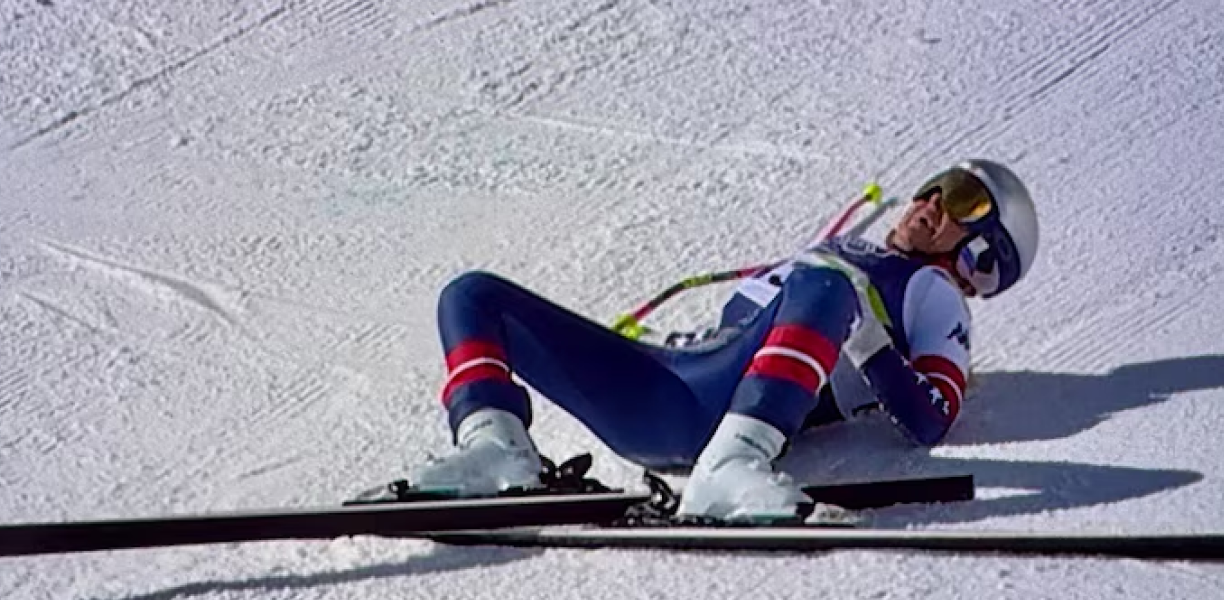
    Lindsey Vonn’s dramatic crash in the Women’s Downhill on Sunday, set shockwaves across the world 

    Images of one of the sports’ greatest screaming in pain before being airlifted off the piste shocked competitors and fans alike.

    The footage of Vonn’s fall flooded social media feeds and dominated conversation. 

    For Olympians about to compete across a range of extreme sports in Milano-Cortina, it was a reminder of the risks they face when competing. 

    It is an unfortunate reality that all sports, particularly sports involving high speeds, heights, complex movements and contact, can result in at times horrific injuries. 

    For teammates and opponents, the impact of seeing these injuries can lead to their own mental and physical performance suffering. 

    Fear after witnessing an injury is normal, but what matters is how athletes respond to it. 

    Below are three mental skills athletes in any sport can use to move forward with confidence rather than hesitation. 

    Control the Controllables (Attentional Control)

    After witnessing an injury, athletes often shift their focus to what could go wrong.

    This widens attention in the wrong direction and fuels fear. 

    It’s important to get attention back to task-relevant cues like technique, rhythm, breathing, and positioning. 

    Fear thrives in uncertainty, so re-anchoring attention to controllable actions restores a sense of agency and reduces cognitive overload. 

    Instead of thinking “That could happen to me,” athletes should refocus on, one technical cue, one breathing rhythm, and one execution goal for the next rep or run. 

    Acceptance Over Suppression (Emotional Regulation)

    Many athletes believe fear should be eliminated before they can perform. That belief often backfires. 

    It’s important to acknowledge fear without judgment and proceed anyway. 

    Research consistently shows that accepting emotions (rather than fighting them) reduces their intensity and prevents them from hijacking performance. 

    An athletes simply internally labels the experience, for example, “I’m I’m feeling fear and that’s normal.” 

    Then they pair it with a grounding action like a slow exhale, physical reset or cue word, instead of trying to “tough it out.” 

    Rebuild Trust Through Imagery (Confidence Restoration)

    Seeing a teammate injured can disrupt an athlete’s confidence in their own body or environment. 

    A way to overcome this is to use vivid, mastery-based imagery to mentally rehearse safe, successful execution. 

    Imagery activates similar neural pathways as physical performance, helping re-establish trust and positive expectation without added physical risk. 

    For example, athletes should visualize a smooth execution of a skill, stable landings or movements and the feeling of composure under pressure 

    The Bigger Picture

    Extreme environments, whether Olympic ski runs, contact sports, or high-speed competition carry real risk.

    Mental skills don’t remove that risk but they can help athletes respond skillfully rather than react emotionally. 

    Fear after witnessing injury isn’t weakness, failing to train how to handle it is. 

  • How Goalie Hero Used Visualization Before ‘The Miracle on Ice’

    How Goalie Hero Used Visualization Before ‘The Miracle on Ice’

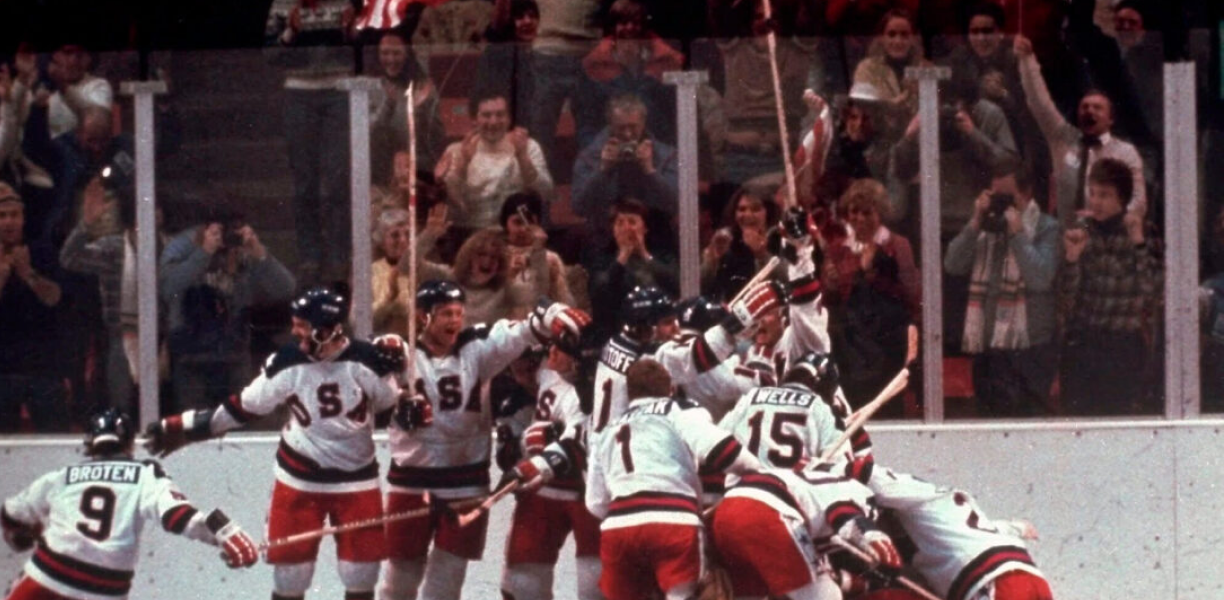
    When the Winter Olympics roll around and the men’s ice hockey tournament begins, it’s near-on impossible for broadcasters to avoid mentioning The Miracle on Ice. 

    The incredible game in 1980 when the US, a team comprised of college students, beat the USSR, a machine-like team that had won gold at the previous four Olympics. 

    The game in Lake Placid has since become the subject of countless books, two feature films and numerous documentaries, the latest being Netflix’s Miracle: The Boys of ‘80. 

    While the documentary details their coming together, their ruthless training under coach Herb Brooks and the social impact of the game on a country in the midst of a recession, one story sticks out.

    How the hero of the game used a key mental skill to prepare to face the USSR, one of the greatest Ice Hockey Teams assembled.

    To say the US were the underdogs was an understatement, two weeks before the game in Lake Placid, they were dismantled by the Soviets 10-3 at Madison Square Garden. 

    While the US would win in Lake Placid 4-3, the stats show how strong the USSR really were with the shot count 39-16 in the Soviet’s favor. 

    US Goalie Jim Craig was the hero, making an incredible 36 saves. 

    Teammate Ken Morrow said that he “kept us in it, playing out of his mind”.

    Funny thing is it was Craig’s mind that prepared him for the moment. 

    Speaking 46 years on from playing the game of his life, Craig revealed he had used Visualization ahead of the historic game. 

    “I never visualized losing,” Craig said in Miracle: The Boys of ‘80. 

    “I visualized the game and what could happen.

    “What the play was, what it looked like. 

    “So that when the game came, I’d already seen it.” 

    Research shows that when athletes like Craig visualize themselves doing something, the same neurons are activated as if they were physically performing the task in real time.

    Studies show that it can help to improve confidence, decision-making, and reaction time, especially in high pressure moments.

    In Craig’s case, visualization allowed him to become more familiar with what he was about to face, rather than enter the game in fear.

    He had already mentally ‘been there’ and seen himself in that environment.

    His performance wasn’t improvised under pressure; it was executed from a script he had already rehearsed in his mind. 

    Visualization is accessible, simple, and adaptable for athletes at any level.

    Just like Jim Craig showed in 1980 – when you’ve already seen it, you’re far more ready to live it.