Blog

  • Watch How You Set the Tone

    Watch How You Set the Tone

    Author – Vedika Jogani & Ryan Miller

    Vedika Jogani is OMP’s Product and Content Manager who has a Master’s degree in Sports and Exercise Science, specializing in Mental Performance.

    Ryan Miller is OMP’s Head of Content

    Hugo Lloris, France’s World Cup Winning captain and long serving Tottenham Hotspur shot stopper, has released his autobiography Earning My Spurs.

    In an exclusive excerpt published in The Guardian the goalkeeping great has revealed his frustrations at the mindset of some of Tottenham’s hierarchy in the lead up to the 2019 Champions League Final.

    Four days before the biggest match in the club’s history Spurs Chairman Daniel Levy gifted the playing group luxury watches with “Champions League Finalist 2019” engraved across its back.

    After Spurs lost to Liverpool 2-0, Lloris questioned if the club “really want to win”.

    “As magnificent as the watch is, I have never worn it,” Lloris wrote.

    “I would have preferred there to be nothing on it. With an engraving like that, Levy couldn’t have been surprised if we had been 1–0 down after a couple of minutes: so it was written.”

    There are many factors that influence an athlete’s mindset and performance, ranging from family and coaches to management.

    Can something as simple as an inscription on a watch really set a tone that could be perceived as negative or discouraging before a high-stakes match?

    Let’s break this down from a sports psychology point of view:

    1. External Distractions and Lack of Psychological Support:

    The engraving of “Finalist” on the watches is a crucial moment to analyze in terms of psychological preparedness.

    In sports psychology, it’s vital that athletes focus on the effort, growth, and journey, not just the final outcome.

    The gesture could have been demotivating for the players (Lloris said it didn’t just affect him “I still haven’t got over it, and I’m not alone”) subtly implying that the final result was already predetermined, reinforcing the idea that the team was destined to lose.

    Rather than emphasizing the importance of striving for victory, the engraving prematurely defined their success by focusing on a “finalist” status instead of a “winner” mentality.

    This can contribute to a sense of defeatism, undermining motivation and fostering a mindset that accepts failure as a likely outcome.

    2. Post-Loss Emotional Disconnect:

    The aftermath of the final revealed a troubling emotional disconnection within the club.

    Lloris described feelings of isolation and frustration as the team did not experience the necessary emotional support following the loss: “At the post-match reception at the hotel, I had the impression that some people from the club and certain players were not sufficiently despondent at having lost.”

    In sports psychology, emotional resilience is key to bouncing back after a tough setback, but in this case, there appears to be a lack of collective bonding and a shared commitment to recover and move forward.

    Without the proper psychological recovery mechanisms in place, it became harder for the team to regain their focus and determination to pursue future success, which ultimately hindered their ability to grow from the experience.


    Lloris’ revelations are a lesson that staff across organizations can impact the psyche of players and that while their intentions may have been good, they have can have negative effects on the playing group.

    To cultivate a positive mindset before games, athletes can focus on these strategies:

    • Visualization of Success: Athletes should spend time mentally rehearsing positive scenarios, imagining themselves performing well and executing key skills under pressure. This mental practice builds confidence and primes the brain for success.
    • Positive Self-Talk: Replacing negative or self-doubting thoughts with affirmations and constructive statements can boost confidence and foster a mindset focused on capability and resilience, reducing anxiety and enhancing performance.
    • Focus on the Process, Not the Outcome: Shifting attention from the results (winning or losing) to the execution of skills, effort, and present-moment focus helps alleviate pressure and keeps athletes grounded in what they can control, improving their ability to perform under stress. After the game, it’s important for athletes to take time for self-reflection, celebrate achievements, and process emotions. They can do this through:
    • Allow Emotional Processing: Give yourself permission to feel whatever emotions arise after the game—whether disappointment or frustration. Acknowledge and accept these feelings, but don’t dwell on them. This helps release negative emotions and clears the way for reflection.
    • Celebrate Successes: Reflect on what went well, whether it was a key play or staying focused under pressure. Celebrating successes, no matter how small, helps maintain motivation and reinforces positive behavior.
    • Reflect, Learn, and Seek Feedback: Analyze what worked and what didn’t, focusing on areas for improvement. Get constructive feedback from teammates and coaches, using it to identify specific actions for growth. This turns mistakes into learning opportunities and helps you prepare more effectively for future performance.

    By better understanding the impact of such psychological elements, athletes and teams, and staff from the wider organization can learn to navigate their mental game more effectively, ensuring that external influences don’t undermine their potential for success.


  • OMP Welcomes First High School: Pingree School

    OMP Welcomes First High School: Pingree School

    Optimize Mind Performance has partnered with its first high school, with Pingree School in South Hamilton Massachusetts signing on to use OMP’s sport psychology platform.

    Pingree is the first high school to recognize the need for a platform to provide its student athletes with mental skills resources and training. The school has a strong athletic department with 43 teams across 23 sports.

    In the past five years, Pingree has won New England Preparatory Athletic Council (NEPSAC) titles in Field Hockey (2019, 2022 & 2023), Girls Soccer (2022 & 2023), Football (2019 & 2021), Cross Country (2021) and Ski (2018, 2019 & 2020), and averages approximately 25% of their graduating classes going on to participate in NCAA competitions.

    Betsy Kennedy, Pingree Director of Athletics & Afternoon Programs: “This partnership with OMP will allow Pingree to offer much-needed mental performance tools for our student athletes.

    “We have identified that the mental side of their respective sports is so important. This tool will add significant value in helping Pingree student-athletes unlock their potential.”

    OMP CEO Jack Preddey: “We are thrilled to welcome Pingree as our first high school partner. They have shown great initiative in being proactive in prioritizing their student-athlete’s mental performance.

    “We pride ourselves on being able to provide mental skills training to athletes at every stage of their career, be it at the very beginning in high-school or towards the end of their athletic journey be it at college or in professional sport.”

  • Developing Team Resilience

    Developing Team Resilience

    Author – Vedika Jogani

    A recent graduate from Ithaca College with a Master’s degree in Sports and Exercise Science, specializing in Mental Performance, Vedika Jogani is OMP’s Product and Content Manager.

    Have you ever wondered how some teams are able stay so focused on a single goal all season long?

    How they bounce back after tough games, handle social media pressure, and meet the constant expectations of fans for months on end?

    A fascinating ethnographic study on a National League-winning, semi-professional rugby union team in England explored these questions.

    It revealed that these players relied on specific resilience-building factors that helped them stay united and ultimately win the championship.

    These mechanisms created pathways to resilience, leveraging psychological and social strategies that fueled team success.

    Here’s what they focused on:

    Inspiring, motivating, and challenging team members to achieve performance excellence

    Coaches recognized that each athlete manages setbacks and failures in their own way. While some players needed support, others benefited from more direct, constructive feedback.

    To address these needs, the coaching staff took on roles tailored to each athlete, helping them stay motivated.

    The team also set high, process-focused standards rather than outcome-based ones, regularly reflecting on team goals and how each effort was bringing them closer to those goals.

    Develop a team-regulatory system based on ownership and responsibility

    Rather than relying on a single captain, the team assigned multiple leaders with specific roles.

    This shared leadership model helped them perform under pressure and encouraged honest feedback among team members.

    Accountability was reinforced through visual cues, like motivational mantras and key words displayed in the locker room.

    Cultivate a team identity and a togetherness based on selfless culture

    The team cultivated a strong sense of unity and pride through rituals and routines.

    They celebrated the concept of “One Club,” creating a shared identity through songs, team attire, and symbolic actions that reinforced their togetherness.

    Expose the team to challenging training and unexpected/difficult situations

    Both in training and through open communication, players faced challenging scenarios designed to test their resilience.

    Together, they reflected on what mattered most and learned strategies to navigate adversity as a team.

    Promoting enjoyment and keeping a positive outlook during stressors

    The team kept the mood light, engaging in humor and playful rituals to remind themselves of their purpose and love for the game.

    This emphasis on enjoying the process allowed them to stay motivated and resilient throughout the season.


    In the end, these strategies didn’t just build resilience—they also strengthened the team’s bond and created a winning mindset that carried them all the way to the championship.

    This study provides valuable insights into how teams can cultivate resilience and focus, both on and off the field.

    To build your resilience download the OMP App now on Apple and Android.

  • 3 Ways to Come Up Clutch

    3 Ways to Come Up Clutch

    Authors – Ryan Miller & Vedika Jogani

    Ryan Miller is OMP’s Head of Content and an award-winning content creator.

    Vedika Jogani is OMP’s Product and Content Manager, and a graduate from Ithaca College with a Master’s degree in Sports and Exercise Science, specializing in Mental Performance.

    This past week we’ve seen two incredible clutch moments in sport.

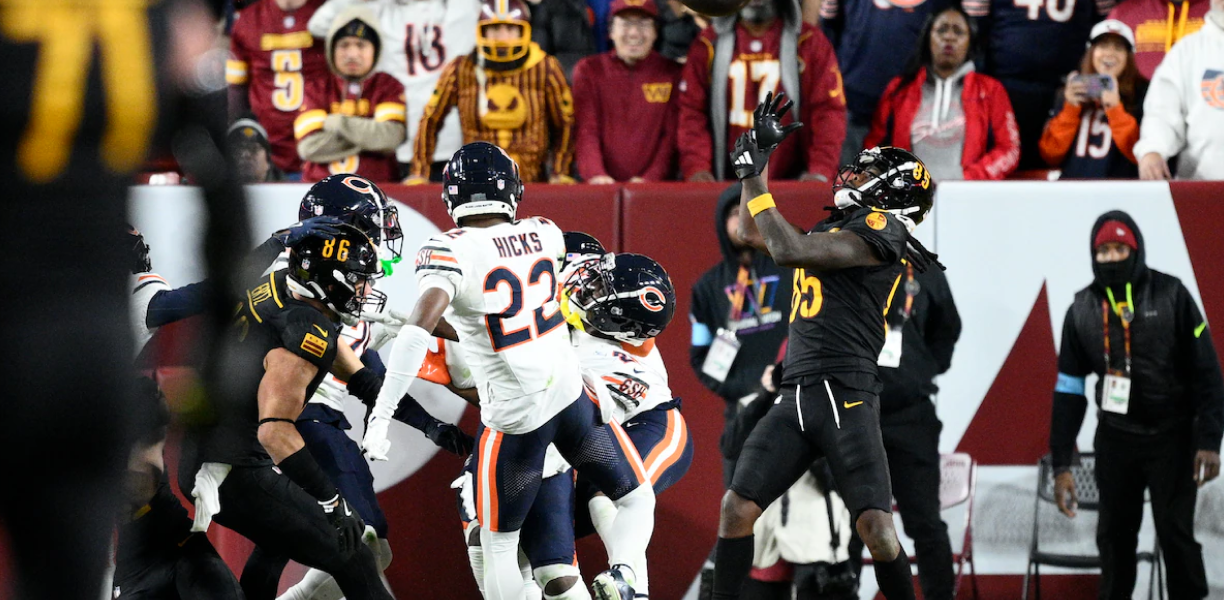
    In the NFL Washington Commanders Rookie Jayden Daniels threw a 52-yard Hail Mary pass to lead his side to victory over the Chicago Bears, while LA’s Freddie Freeman hit a walk-off Grand Slam to claim game one of the World Series over New York.

    These are both awesome athletic moments that happened under tremendous pressure.

    For Daniels if his pass didn’t reach Noah Brown the Commanders would have lost.

    If Freeman struck out or hit a fly ball straight to a fielder, the Dodgers would have gone behind in the series.

    So, how do athletes at any level cope with this pressure and execute their skills with excellence?

    Here are three things that athletes can do right now to ensure they’re mentally ready for when the clutch moments come:

    1. Visualization of Past Success

    Before game day, athletes visualize the exact scenarios they’ll face. By mentally rehearsing key plays under pressure, they prime their minds and bodies to respond calmly in real situations. They’ve “seen” themselves succeed, which reduces nerves and boosts confidence. Believing you’ve done it before can help you realize that you can do it again, no matter the situation.

    2. Breathing for Focus

    Deep breathing exercises calm the body and sharpen focus.

    In tense moments, athletes who use breath control can mentally reset and avoid distractions. Focused breathing signals to the brain that it’s safe to relax, allowing them to approach each play with clarity.

    3. Self-Talk and Reframing Pressure

    The phrase “Pressure is a Privilege” holds true. How an athlete interprets high-pressure moments can significantly impact performance.

    Replacing negative thoughts with constructive self-talk like “I’ve done this a hundred times before” or “I’m prepared” helps reframe pressure as an opportunity. This confidence-oriented mindset can be the difference between a fumble and a triumph.

    You can learn more about Visualization, Breathing Exercises and Self-Talk in the Optimize Mind Performance App.

    Download it on Apple & Google Play now.

  • How Dodgers & Yankees Handle World Series Pressure

    How Dodgers & Yankees Handle World Series Pressure

    Author – Vedika Jogani

    A recent graduate from Ithaca College with a Master’s degree in Sports and Exercise Science, specializing in Mental Performance, Vedika Jogani is OMP’s Product and Content Manager.

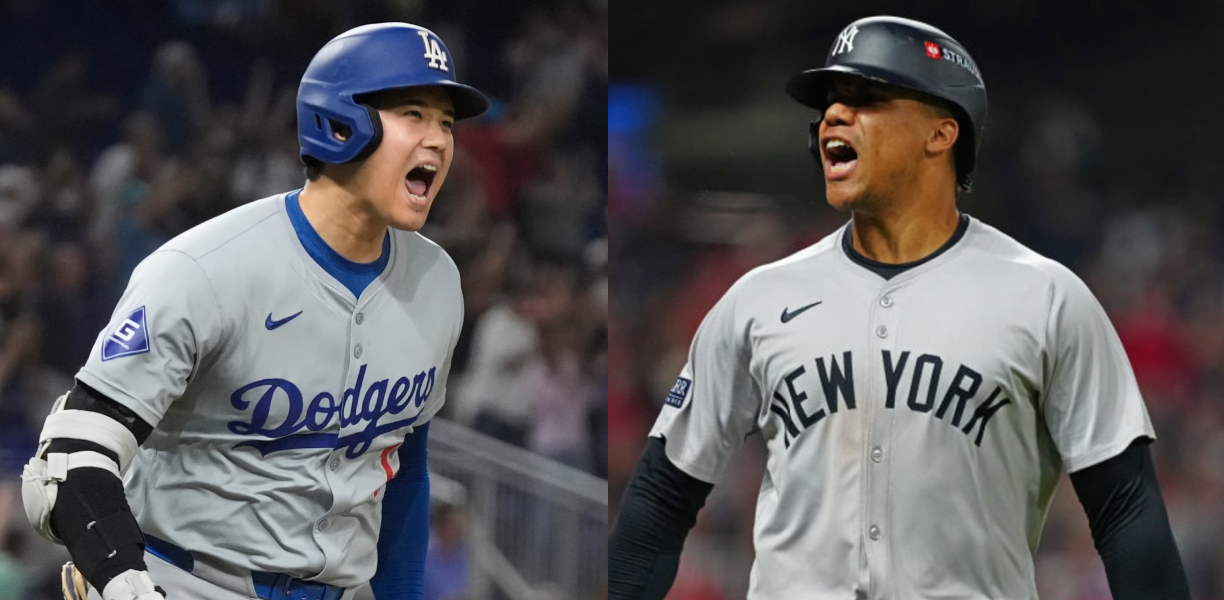
    The World Series is here, and this year pits the LA Dodgers against the New York Yankees, the 12th time the two organizations have faced off in the champion-deciding seven-game series.

    This particular showdown is even more significant as it’s only the second time in history that the two top seeds from each league have met in the World Series.

    The pressure is immense, and every moment could be career defining.

    So how do the stars of MLB mentally prepare for the World Series?

    How Athletes Can Mentally Prepare for Big Moments

    It’s easy for athletes to feel overwhelmed when faced with high-stakes situations, but there are ways to manage that pressure effectively. Here are some strategies:

    • Trust the Process Athletes need to remind themselves that they’ve put in the work. Confidence comes from preparation, and when it’s game time, it’s about going out there and giving it everything.
    • Visualize Success Visualizing past accomplishments can be a powerful tool. Knowing they’ve succeeded in the past can help players remain calm and focused, no matter what’s at stake.
    • Practice Mindfulness Staying in the present moment is critical. On the biggest stage, it’s easy to get swept up in the enormity of it all, but athletes perform best when they are fully engaged in the here and now, taking nothing for granted.

    Managing Fan Expectations

    How Dodgers & Yankees Handle World Series Pressure

    Expectations are sky-high.

    Dodgers’ fans are looking to Shohei Ohtani to deliver a championship, while the Yankees’ title as the most successful franchises in MLB history means their fans almost demand success.

    Managing these expectations is crucial for players. So, how can they stay composed?

    • Limit Distractions: Social media and external opinions can cloud focus. One effective approach is working with sport psychologists to create personalized routines.
      These routines often involve setting boundaries, such as reducing time spent on social media. This helps athletes avoid being consumed by the outside noise and keeps them focused on what truly matters: their performance.
    • Stay Calm and Composed: When the pressure builds, staying composed is crucial.
      Breathing techniques like deep breathing, box breathing and grounded techniques can help to focus on the sensory details and allow athletes to stay in the present moment.
    • Positive self-talk is another key strategy. Athletes can replace negative thoughts with empowering affirmations, boosting their confidence and keeping their minds sharp under pressure.
    • Finally, pre-performance rituals provide athletes with a sense of control and familiarity, helping them remain calm even in high-stakes situations.

    The Culmination of a Long Season

    After a grueling season of 162 games, everything boils down to just seven – and that’s if the series makes it to Game 7.

    It’s a test of both physical endurance and mental resilience. Staying sharp and focused during this short, high-stakes series is crucial.

    Here’s how athletes can keep their edge:

    • Use Focus Cues: Simple words or phrases serve as mental triggers to help players stay focused and block out distractions.
    • Managing Distractions: Pre-performance routines and visualization techniques help athletes tune out external noise and concentrate on the task at hand.
    • Stay Motivated: Athletes can remind themselves of their “why”—the reasons they love the game and what drives them—keeping their passion alive and making the pressure-filled moments enjoyable.

    As the Yankees and Dodgers face off, it’s not just their physical skills that will be tested.

    The mental game is equally, if not more, important.

    By trusting their preparation, visualizing success, and staying mindful, players can navigate the pressure and rise to the occasion in what could be the defining moment of their careers.

  • How Mental Prep Shaped the WNBA Finals

    How Mental Prep Shaped the WNBA Finals

    Author – Vedika Jogani

    A recent graduate from Ithaca College with a Master’s degree in Sports and Exercise Science, specializing in Mental Performance, Vedika Jogani is OMP’s Product and Content Manager.

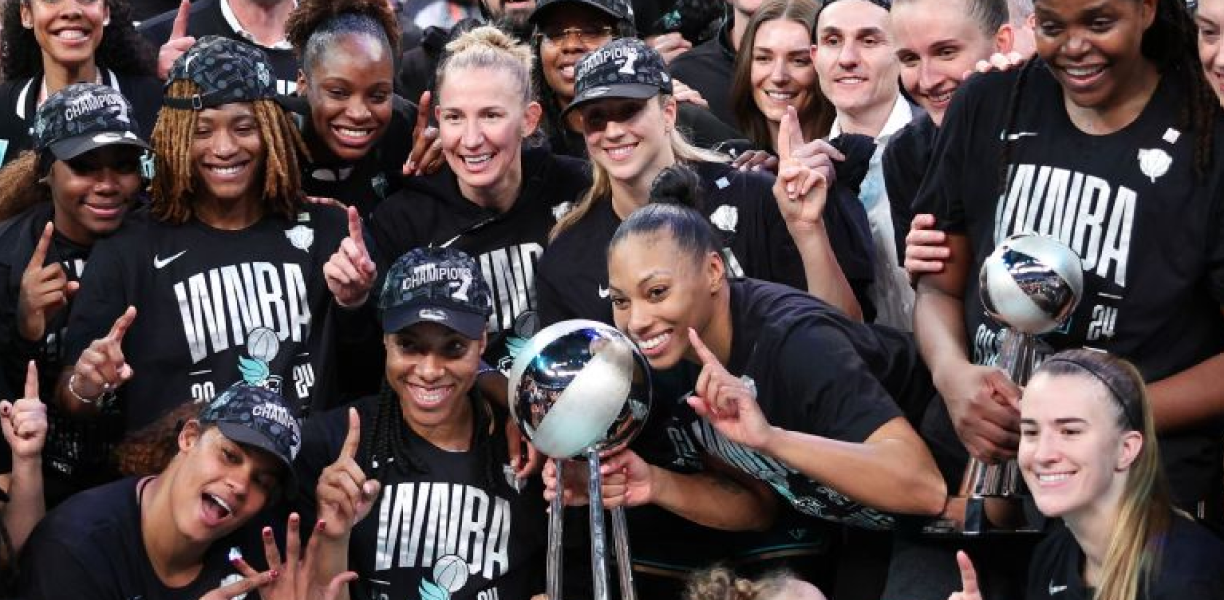
    The WNBA Finals came to a thrilling finish on Sunday night with the New York Liberty claiming the championship in overtime.

    The series against the Minnesota Linx was packed with dramatic moments; game-winning three-pointers, overtime thrillers, and record-breaking performances.

    The intensity on the court was palpable, but what stood out even more was the mental skills displayed by the athletes.

    From visualization techniques to resilience, mental preparation was a key theme throughout the finals.

    Sabrina Ionescu’s Game-Winning Three: A Lesson in Visualization

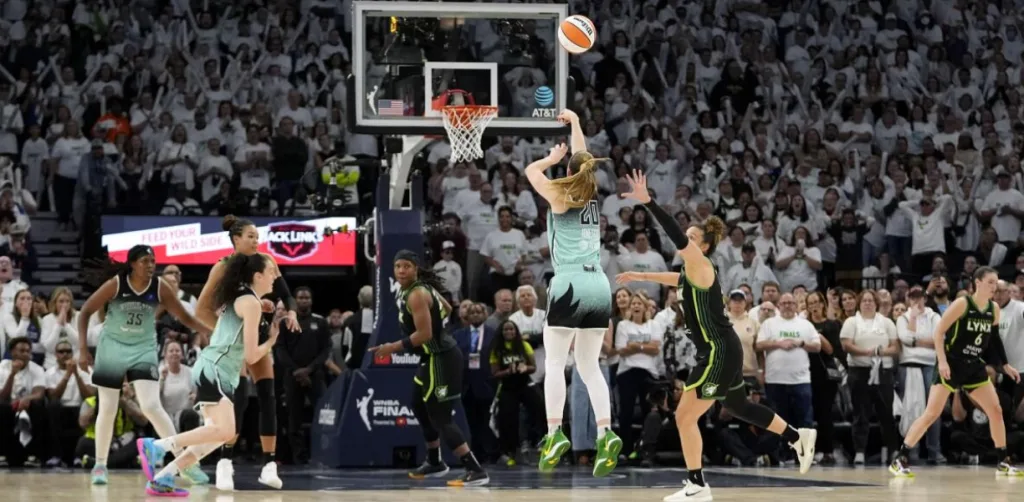
    In Game 3, Sabrina Ionescu drained a game-winning three-pointer that left fans in awe.

    In her post-game interview, Ionescu revealed that visualization played a huge role in her preparation for that moment.

    She explained how she regularly uses imagery to mentally rehearse those clutch shots.

    “I’ve played that shot a 1000 times in my head,” she shared.

    This mental rehearsal primes her brain for the real thing, giving her the confidence to perform under pressure.

    Research supports this: when athletes visualize an action, the same areas of the brain are activated as if they were performing the action in real life.

    By consistently visualizing herself taking those three-point shots, Ionescu was able to train her mind and body to deliver when it mattered most.

    How Mental Prep Shaped the WNBA Finals

    The Power of Mantras: Trusting the Process

    New York Liberty head coach Sandy Brondello also emphasized the mental side of the game when asked how the team maintained their composure and focus.

    She mentioned that resilience and teamwork were key features of their success.

    She further explained that the team relied on mantras such as “Trust the process” to keep them centered on their goals.

    Mantras, or focus cues, help athletes stay grounded and focused, especially during high-pressure moments.

    By repeating powerful phrases, athletes can redirect their attention away from distractions and refocus on what they can control.

    This mental discipline plays a significant role in building resilience, allowing them to bounce back from setbacks and stay motivated.

    Nyara Sabally’s Mental Readiness: Staying Prepared Off the Bench

    Another standout in the finals was Nyara Sabally, who delivered a crucial performance after coming off the bench, despite playing limited minutes in the semifinals.

    Sabally credited her success to being mentally prepared so that when her moment came, she was able to execute skills without nerves or hesitation.

    Athletes who spend time on the bench can sometimes struggle to stay mentally engaged, but Sabally’s focus on preparation is a great example of how to overcome this challenge.

    Techniques like visualization, mental rehearsal, and even simple routines can keep athletes sharp, ensuring they’re ready to perform when called upon.

    Mental Preparation for High-Stakes Games: Strategies for Success

    So, how do athletes prepare mentally for games of this magnitude, where the pressure is sky-high?

    1. Visualization: Just like Ionescu, athletes often visualize key moments in their performance—whether it’s scoring a crucial basket or executing a play. This mental rehearsal primes the brain and body to act instinctively when those situations arise in real life.
    2. Goal-Focused Thinking: Athletes often focus on short-term, achievable goals to break down overwhelming pressure. By concentrating on the process rather than the outcome, they stay grounded and reduce anxiety.
    3. Mantras and Focus Cues: Repeating simple phrases like “Trust the process” or “Stay present” can help athletes maintain focus and manage stress. These mantras act as anchors, keeping the mind from wandering during crucial moments.
    4. Breathing Exercises: Deep breathing techniques are often used to calm nerves and reduce the physiological effects of stress, like increased heart rate and muscle tension. Athletes use controlled breathing to stay composed and focused in high-pressure situations.

    The WNBA Finals were a testament to the power of mental preparation, showing that beyond physical skill, the ability to stay mentally resilient is what truly defines champions.

    Whether it’s a game-winning shot, coming off the bench, or staying focused under pressure, the mental game is often the difference between victory and defeat.

  • Happy Gilmore: Fiction Grounded in Fact

    Happy Gilmore: Fiction Grounded in Fact

    Authors – Ryan Miller & Vedika Jogani

    A recent graduate from Ithaca College with a Master’s degree in Sports and Exercise Science, specializing in Mental Performance, Vedika Jogani is OMP’s Product and Content Manager.

    Ryan Miller is an award winning content creator and OMP’s Head of Content.

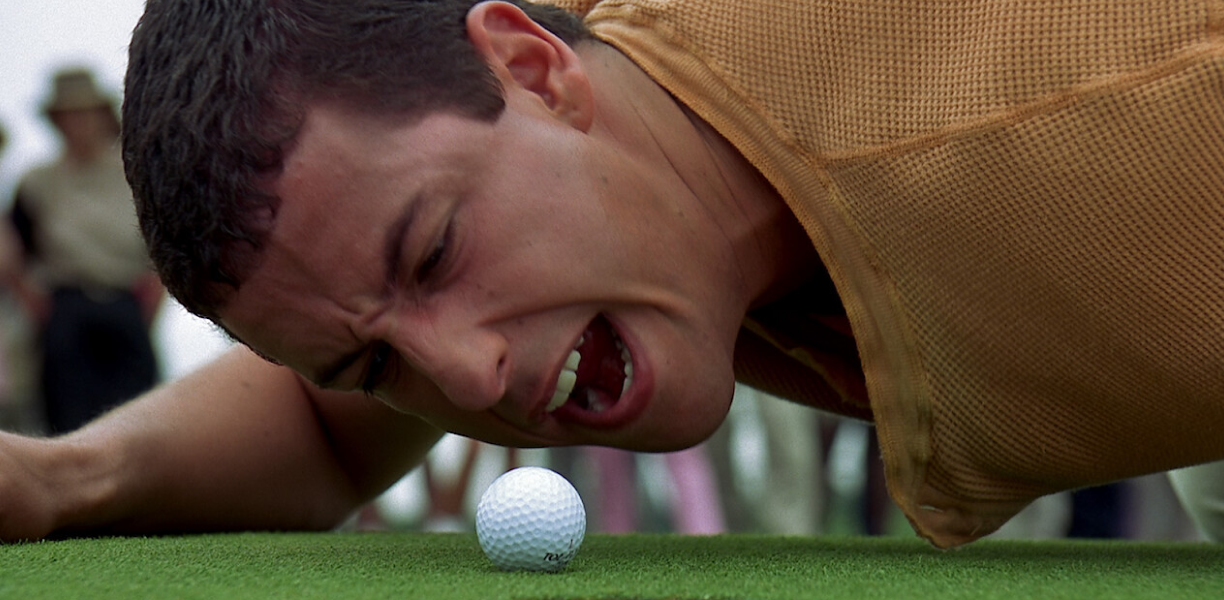
    Happy Gilmore is beyond a cult classic.

    The 1996 golfing comedy starring Adam Sandler tells the tale of Happy Gilmore, a failed Hockey player turned pro-golfer who has an enormous drive.

    His 400+ yard drives are only eclipsed by his enormous temper that sees him struggle with elements of his game (particularly his short game), punch fans, throw clubs and ultimately have a fist fight with Bob Barker.

    His temper troubles get so bad that he almost gets kicked off the professional tour.

    To conquer his temper, his coach Chubbs Peterson introduces Happy to the concept of a ‘happy place’.

    While it’s not the most politically correct places in the world, this mental exercise helps steady Happy and frees him from his frustrations so that he can perform at his best.

    Believe it or not, there’s some science to back this up.

    Cue Words & Motivation

    Before Happy is introduced to the power of visualization and breath work, he does exhibit some mental skills that golfers can also apply to their game.

    When struggling to make a relatively simple putt, he repeats ‘Grandma, Grandma, Grandma’.

    This repetition of cue words, reminds him of the reason he is playing golf – making enough money so that he can pay the IRS tax debt that his grandmother has accrued which has led to her house and assets being seized.

    When Happy finds himself in a stressful putting situation, unsure of what to do, he turns to focus cues to regain his concentration.

    Focus cues are simple words or visuals that help athletes re-center and direct their attention back to the task at hand, especially in high-pressure moments. These cues act as reminders of their goals and motivations, helping them stay calm and focused.

    Athletes often say them aloud or keep them in sight to bring their mind back on track when it starts to wander. In Happy’s case, he repeats the word “Grandma,” which connects him to his deeper motivation—playing to earn enough money to help his grandmother.

    This personal connection helps him overcome the stress and execute the putt.

    In the real world, athletes can use focus cues just like Happy does. By selecting a word or phrase that’s meaningful to them, they can quickly regain focus when they start feeling overwhelmed or distracted.

    This mental skill allows them to ground themselves in their purpose, be it winning for their team, family, or personal goals. Using focus cues can be a powerful tool for staying composed under pressure and performing at their best when it matters most.

    Happy Place

    In the film, Happy is shown closing his eyes, breathing deeply and visualizing his ‘Happy Place’.

    This includes images of his grandmother winning at a poker machine and his girlfriend scantily clad whilst holding jugs of beer, amongst other things.

    When he opens his eyes, he is calm, focused and can execute putts that he previously couldn’t.

    Jokes aside, there is something to this. Research shows that visualization can boost confidence, motivation, and ease pressure. In Happy Gilmore, we see this play out when Happy visualizes his “happy place,” which helps him manage the pressure of the game.

    Perspective

    As the film reaches its dramatic conclusion and with Happy taking on his nemesis Shooter McGavin, he finds himself losing, unable to find his happy place and is on the verge of quitting.

    In this moment of great stress, his grandmother tells him not to worry about the result that her house is just a house and that all she wants is for him to be happy.

    This give Happy the realization that the game isn’t about defeating his opponent—it’s about enjoying the process and having fun.

    Golfers in the real world can relate to this.

    By recalling the joy they felt playing as kids, the friendships they built, and the unforgettable moments with teammates, they can shift their focus from just winning to appreciating the broader journey.


    While Happy Gilmore may be one of the great comedies of the 90s and contain some of the most preposterous hijinks ever seen on the golf course, it surprisingly does contain mental performance techniques that are grounded in reality and backed by extensive research.

    The challenge now is for you to find your own happy place and use cue words to remind yourself of why you play the great game of golf.

  • Mental Fatigue

    Mental Fatigue

    Author – Vedika Jogani

    A recent graduate from Ithaca College with a Master’s degree in Sports and Exercise Science, specializing in Mental Performance, Vedika Jogani is OMP’s Product and Content Manager.

    Everyone talks about how physical exhaustion hits after a long workout or travel—”My muscles are tired” or “My body’s exhausted.” But what about mental fatigue?

    Mental fatigue is a psychobiological state caused by prolonged, demanding cognitive activities.

    It leads to tiredness, exhaustion, reluctance to continue tasks, and reduced cognitive performance (Boksem and Tops, 2008; Boksem et al., 2006).

    Research shows that mental fatigue can significantly affect physical performance in sports, from endurance and motor skills to technical skills and decision-making (Pageaux & Lepers, 2018).

    1. Endurance Performance: Though more research is needed, studies suggest that mental fatigue impairs endurance by increasing adenosine in the brain, which raises perceived effort (Pageaux et al., 2014). This in turn, affects endurance performance.
    2. Motor Skills: Mental fatigue slows down both real and imagined movements.

      This is similar to muscle fatigue and affects activities that require speed and accuracy, such as fencing or boxing (Rozand et al., 2016). It’s important to balance mental imagery with physical movement to avoid this.

    3. Sport-Specific Technical Skills: Mental fatigue not only affects overall endurance but also has a direct impact on the fine motor skills and technical execution required in sports.

      Mental fatigue has been shown to reduce shot speed and accuracy in soccer players, with similar results seen in table tennis and cricket (Smith et al., 2016).

    4. Decision-Making: Mental fatigue significantly impacts an athlete’s ability to make quick and accurate decisions, which is critical in fast-paced sports.

      A study done on soccer players found that mental fatigue led to them making slower and less accurate decision making on the pitch (Duncan et al., 2015).

    To combat mental fatigue, incorporating the following mental skills and recovery strategies can help restore mental energy and boost performance:

    1. Imagery: Visualizing successful movements or outcomes helps the brain practice without physical effort.

      This mental rehearsal strengthens neural pathways, improves motor skills, and enhances focus, making it a great tool for athletes to use during training or competition.

    2. Meditation: Practicing meditation regularly helps calm the mind and reduce cognitive overload.

      It enhances concentration, emotional regulation, and overall mental clarity, all of which are essential for staying sharp under pressure.

    3. Mindfulness: Mindfulness techniques teach athletes to stay present, focused, and aware of their thoughts without judgment.

      This reduces mental fatigue by minimizing distractions and helping athletes maintain composure in high-stress situations.

    4. Breathing Exercises: Deep, controlled breathing stimulates the parasympathetic nervous system, helping reduce stress and promote relaxation.

      Incorporating breathing techniques can improve mental clarity and bring the athlete back to a more focused and energized state.

    5. Quality Sleep: Sleep is essential for both physical and mental recovery. During sleep, the brain processes information, restores cognitive function, and reduces feelings of mental fatigue.

      Prioritizing sufficient, quality sleep is crucial for optimal performance in training and competition.

    By incorporating these mental skills and recovery strategies into their routine, athletes can mitigate the effects of mental fatigue, improve focus, and maintain peak performance.

  • The Power of Sleep

    The Power of Sleep

    Author – Vedika Jogani

    A recent graduate from Ithaca College with a Master’s degree in Sports and Exercise Science, specializing in Mental Performance, Vedika Jogani is OMP’s Product and Content Manager.

    Sleep plays a crucial role in both athletic performance and mental health.

    While sleep duration is essential, sleep quality is equally important.

    It impacts everything from performance and injury risk to focus, memory, and recovery.

    Research backs this up: A study involving 576 male and female athletes found that those with shorter sleep durations missed more competition time due to injury (Brandt et al., 2017).

    Similarly, research on netball players revealed that teams whose athletes slept more performed better overall (Juliff et al., 2018)

    In the NFL, West Coast teams were shown to have a competitive advantage in evening games due to time zone differences, which aligned better with their circadian rhythms (Jehua et al., 1993; Smith et al., 2013).

    Despite its significance, athletes often face barriers to getting quality sleep, which is frequently overlooked in their performance routines.

    Common Sleep Barriers for Athletes:

    1. Performance Anxiety: A study of 652 athletes found that 66% experienced sleep problems due to pre-competition anxiety (Erlacher et al., 2011).
    2. Travel: Frequent travel leads to jet lag, disrupted routines, and time zone shifts, all of which negatively impact sleep.
    3. Cultural Norms: In some environments, there’s a tendency to glorify functioning on minimal sleep.
    4. Other Commitments: For student-athletes especially, the demands of academics, socializing, and intense training schedules often come at the cost of sleep.

    The Consequences of Inadequate Sleep

    1. Injury Risk: A study found that adolescents who slept less than 8 hours per night had a 70% greater chance of injury (Milewski et al, 2014). Sleep deprivation affects coordination and reaction time, making athletes more susceptible to accidents during training and competition.
    2. Pain Tolerance: Adequate sleep enhances pain tolerance, allowing athletes to train and compete with greater intensity and focus. A study found that a decrease in sleep duration led to an 8% decrease in pain tolerance (Onen et al., 2001). Without enough rest, their ability to manage discomfort diminishes, which can limit performance and prolong recovery times.
    3. Cognitive Functioning: Sleep impacts attention span, memory retention, and decision-making. Athletes who lack proper sleep are more likely to experience lapses in concentration and slower reaction times. This mental fog can lead to poor judgment on the field, increasing the likelihood of errors and missed opportunities.

    Optimizing Sleep for Peak Performance

    Good sleep hygiene is a game-changer when it comes to unlocking athletic potential. By adopting these strategies, athletes can maximize both recovery and performance:

    1. Limit Caffeine: Avoid caffeine in the late afternoon and evening, as it can interfere with your ability to fall asleep, leaving you restless at night and fatigued the next day.
    2. Establish Routines: Create consistent bedtime habits, like a relaxing pre-sleep routine, to signal to your body that it’s time to wind down. Simple rituals like reading or deep breathing can significantly improve sleep quality.
    3. Manage Light Exposure: Control exposure to artificial light, especially from electronic devices, in the hours leading up to bed. Dimming lights and limiting screen time will help regulate your body’s natural sleep-wake cycle and improve sleep onset.
    4. Set a Consistent Sleep Schedule: Go to bed and wake up at the same time every day, even on weekends. This consistency helps regulate your internal clock, making it easier to fall asleep and wake up naturally.
    5. Incorporate Relaxation Techniques: Techniques like meditation, progressive muscle relaxation, or stretching before bed can help reduce stress and calm the mind, making it easier to drift into sleep.

    Sleep is a critical component of athletic success, influencing everything from injury risk to cognitive function.

    By addressing common barriers and implementing effective sleep strategies, athletes can enhance their performance and overall well-being.

    Prioritizing both the duration and quality of sleep is essential for reaching peak potential, on and off the field.

  • The Impact of Mindfulness on Stress Recovery

    The Impact of Mindfulness on Stress Recovery

    Author – Vedika Jogani

    A recent graduate from Ithaca College with a Master’s degree in Sports and Exercise Science, specializing in Mental Performance, Vedika Jogani is OMP’s Product and Content Manager.

    Professional athletes are subject to various stressors that can chronically activate the sympathetic nervous system, potentially leading to overtraining syndrome and, in extreme cases, burnout.

    When these stressors are not effectively managed, they can result in injuries, chronic fatigue, and a state of overtraining.

    This, in turn, negatively impacts athletic performance and can lead to issues such as depression, hostility, inattention, and withdrawal from personal and professional commitments.

    To address these challenges, a range of psychological interventions have been developed, focusing on reducing stress, controlling thoughts, enhancing alertness, and using techniques such as imagery and meditation.

    For example, research involving golfers and archers has demonstrated that participation in Mindful Sport Performance Enhancement (MSPE) program can reduce anxiety, diminish fixation on perfection, and increase self-confidence, perception and the experience of flow.

    Furthermore, a study conducted on 22 professional soccer players examined the effects of a six-week Mindful Sport Intervention on their stress-recovery balance.

    The findings revealed that the MSPE program significantly improved stress-recovery balance and enhanced recovery, indicating the value of mindfulness-based interventions in supporting the well-being and performance of professional athletes.

    In conclusion, mindfulness-based interventions like the Mindful Sport Performance Enhancement program effectively reduce stress and anxiety in professional athletes.

    These practices boost self-confidence and improve recovery, supporting overall well-being and enhancing athletic performance. Incorporating mindfulness into training routines is essential for sustaining long-term success in sports.