Blog

  • Cognitive Behavioral Intervention Shown to Improve Well-being in Athletes

    Cognitive Behavioral Intervention Shown to Improve Well-being in Athletes

    Authors – Vedika Jogani

    A recent graduate from Ithaca College with a Master’s degree in Sports and Exercise Science, specializing in Mental Performance, Vedika Jogani is OMP’s Product and Content Manager.

    Ever wondered how young athletes handle the pressure of juggling academics, sports, and the challenges of navigating their adolescence?

    How do these athletes tackle stress, and is there a secret playbook for them?

    A 2023 study done in the United Kingdom showed that a six-week cognitive behavioral intervention including stress mindset, ABC thinking, self-compassion and imagery was able to enhance athlete’s psychological well-being and perceived performance.

    The study uses these approaches rooted in the Rational Emotive Behavioral Therapy approach.

    Stress Mindset

    Recent research explores how individuals’ stress mindset—viewing stress as either enhancing or debilitating—shapes outcomes.

    A positive “stress-is-enhancing” mindset correlates with better psychological and physical health, coping behaviors, and performance in athletes.

    Conversely, a “stress-is-debilitating” mindset increases the risk of burnout and negative affect.

    Targeting stress mindset may hold promise for enhancing psychological well-being and performance in athletes. 

    Irrational beliefs

    A concept called the Theory of Challenge and Threat States in Athletes (TCTSA-R), looks at how our beliefs influence how we feel and perform.

    Imagine you face a challenge (A), and based on your beliefs (B), it affects how you feel and act (C).

    If your beliefs are flexible and realistic, it’s usually good for your well-being and performance.

    But if your beliefs are rigid and unrealistic, it can lead to negative feelings and affect your performance, especially in sports.

    For athletes, certain irrational beliefs, like feeling demanding or seeing yourself as a failure if you lose, can mess with their performance and well-being.

    Instead, seeing stress in a more balanced way can lead to better responses in stressful situations.

    So, looking at how athletes view stress, and their beliefs together can give us insights into their well-being and performance. 

    Self-compassion

    Self-compassion, a powerful strategy, involves three pillars: self-kindness, common humanity, and mindfulness.

    Self-kindness fosters understanding and acceptance in challenging situations, promoting a positive self-view.

    Common humanity emphasizes that many individuals share similar feelings during stress, fostering connection.

    Mindfulness encourages balanced thoughts and feelings, aligning with Rational Emotive Behavior Therapy (REBT).

    Applied in sports psychology, self-compassion is associated with reduced self-criticism and negative emotions, offering a valuable tool in promoting psychological well-being and performance under pressure. 

    Imagery

    Imagery, involving all senses to pre-experience an event, has proven effective in enhancing stress-related outcomes.

    Recent findings suggest that imagery can also improve stress mindset when combined with stress education.

    This method helps individuals attach more helpful meanings to stress responses, aligning with the ABC thinking approach and providing a sense of control in situations where changing the event isn’t possible. 


    In conclusion, this study used a multimodal cognitive-behavioral intervention, delivered toward the end of the competitive season in six one-hour group workshops, aimed to enhance young athletes’ psychological well-being and perceived performance.

    The intervention incorporated education and reappraisal, focusing on stress mindset, irrational beliefs, self-compassion, and imagery.

    Results showed that this comprehensive approach could be effective in fostering adaptive views about stress and improving athletes’ mental well-being.


  • Sharks Sharpening Mental Skills with OMP

    Sharks Sharpening Mental Skills with OMP

    Australian rugby league club the Cronulla-Sutherland Sharks have become the first professional team to partner with Optimize Mind Performance.

    The Sharks, who compete in the National Rugby League, Australia’s premier rugby league competition, will use OMP’s game-changing mental skills training platform across their NRL, NRLW and under-age pathway programs.

    Their men’s team has already started engaging with OMP’s sport-specific content as they prepare for the 2024 NRL Telstra Premiership season.

    The Sharks’ high-performance team, led by NRL Head Coach Craig Fitzgibbon and General Manager Football Darren Mooney, recognise the importance of mental skills training and the need to invest in this area of athletic performance.

     “We at the Sharks believe for us to perform at a higher standard we must be mentally as well as physically prepared for the rigours of elite sport,” Fitzgibbon said.

    “OMP is a game-changer for us, as it gives all of our athletes the opportunity to train their minds and be ready for the season ahead.”

    Mooney added: “We are fostering a culture at the Sharks where training the mind is being prioritised along with physical training.

    “With OMP we can seamlessly embed it into the players’ weekly training schedule.”

    Founded in Australia and crafted by a network of experts in mental performance, OMP is being used by sporting programs at the University of Nebraska-Lincoln and University of Louisville Athletics in the US.

    Optimize Mind Performance CEO & Founder Jack Preddey said: “We’re delighted to welcome the Sharks to the OMP Team as our first professional organisation. They have a great understanding and recognition that mental skills training needs to be proactively included in their performance programs which we are excited to assist them with.”

    Entering the competition in 1967, the Sharks won their first premiership in 2016, and since 2012 have only missed the NRL finals (playoffs) twice.

    In 2023 they made the elimination final and will be looking to push further in 2024 as they hunt their second premiership.

    Contact the OMP Team
    +61 0419 926 089 | +1 617 608 7967 | [email protected]

  • What is Identity Leadership?

    What is Identity Leadership?

    Authors – Vedika Jogani

    A recent graduate from Ithaca College with a Master’s degree in Sports and Exercise Science, specializing in Mental Performance, Vedika Jogani is OMP’s Product and Content Manager.

    Ever wondered about the magic behind a team’s success and how effective leaders contribute to it?

    The way leaders embody the values of a team can make a significant impact on the team’s inspiration and success.

    The influence of a good leader is truly immense and can change the nature and culture of the team.

    A study done in the UK in 2023 highlights that effective leaders not only embody the values of the group but also create a shared identity, a concept known as “identity leadership.”

    This means that leaders who exemplify and represent the team’s values can inspire their followers. 

    The Social Identity Approach

    In sports psychology, the social identity approach says people see themselves as both individuals and part of a group, especially in a sports team.

    Identity leadership is when leaders create and represent this shared identity.

    When leaders do this, they become part of the group, making their team trust them more, and this trust helps them inspire the team better. 

    A series of two studies dived deeper into this identity leadership and its impact on the trust of teammates.

    The first study found that when leaders embody identity principles, it directly boosts followers’ inspiration.

    These four principles also boost inspiration by building trust in the leader:

    Identity Prototypicality: This involves representing the unique qualities that define the group, emphasizing a sense of belonging. 

    Identity Advancement: This principle focuses on advancing and promoting the core interests of the group, fostering a collective sense of purpose. 

    Identity Entrepreneurship: It involves bringing people together by creating a shared sense of “we” and “us” within the group, fostering unity. 

    Identity Impresarioship: This principle is about developing structures, events, and activities that give weight to the group’s existence and allow members to live out their membership, highlighting the significance of the group.
    The study emphasizes how important identity leadership is for inspiring teams and suggests that feeling connected and trusting the leader are key reasons for this. 

    The second study found that two aspects of leadership, specifically making the group matter (advancement) and organizing important activities (impresarioship), were connected to how inspired team members felt later on. Interestingly, this link was influenced by how much the team trusted their leader. So, when the leader was seen as trustworthy, it made the athletes feel more inspired over time.

    This study says that when leaders show they care about the team and organize important things, it inspires the team.

    Trust in the leader is key for this inspiration.

    So, it suggests that if leaders work on these aspects, they can positively impact how much the team trusts them and, in turn, how inspired the team feels.

    All of these have ripple effects on the team’s performance.

  • Athlete Identity: Impacts on Health & Happiness

    Athlete Identity: Impacts on Health & Happiness

    Authors – Vedika Jogani

    A recent graduate from Ithaca College with a Master’s degree in Sports and Exercise Science, specializing in Mental Performance, Vedika Jogani is OMP’s Product and Content Manager.

    Ever thought about what keeps athletes hooked on sports? Is it something in their personality, or does it develop as they spend time in the game?

    In a study from 2024, researchers looked into the connection between how athletes see themselves and why they stick with sports.

    This exploration goes beyond just physical fitness, affecting their self-esteem, motivation, skills, appearance, success, and even how they think they perform. 

    Being an athlete is more than just wearing a sports jersey; it involves a mix of different aspects of a person’s mind.

    Research shows that having a strong athlete identity is linked to more exercise, being social, and better overall health.

    This identity goes beyond the sports field and affects things like confidence, mental health, and how someone deals with challenges like feeling down. 

    This athlete’s identity isn’t just about personal qualities; it also affects how someone thinks and behaves in different situations, both in and out of sports.

    So, figuring out athlete identity is crucial to understanding all the different parts that make up an athlete’s well-being. 

    Passion 

    Passion in sports is more than just liking something; it’s a strong force that pushes athletes to succeed.

    It’s a deep love and motivation that makes people not only spend time but put their real heart into the activities they love.

    This passion is a key factor in overcoming challenges and achieving success in sports. 

    Studies show a connection between passion in sports and how well athletes perform.

    This intense love for sport becomes a source of energy and determination, helping athletes through tough training and competitions.

    The complex link between passion, identity, and different outcomes, both in feelings and actions, adds another layer to understanding who a person is. 

    Dedication 

    Being dedicated to sport means sticking with it for the long haul.

    It’s about consistently believing in it, putting in effort, enjoying it, and having a positive mindset.

    Dedication goes beyond just spending time and energy; it’s a mindset that includes energy, commitment, and staying true to something. 

    This dedication, connected to the Social Exchange Theory, is crucial for athletes to stay in sports for a long time.

    It becomes a lasting mix of thoughts and feelings, including confidence, commitment, energy, and enthusiasm.

    Understanding dedication helps us see how an athlete’s commitment connects to their success. 


    This study dives deep into understanding athlete identity, passion, and dedication.

    It explores how dedication works as both a helper and a manager in the connection between loving sports and being an athlete.

    The numbers show positive results: loving the sport has a good impact on being an athlete, and dedication makes this impact even stronger. 

    But it’s not just a one-way street. Being an athlete also has a positive effect on both loving the sport and being dedicated.

    The study points out the big role dedication plays, emphasizing how it affects athletes’ thoughts and long-term success in sports. 

    Really liking a sport directly affects being an athlete.

    Liking it too much might cause some problems, but when it’s channeled in a positive way, it leads to better performance, motivation, and managing goals.

    Dedication is shown to have a direct positive effect on an athlete’s personality, showing how important it is in shaping commitment and success. 

    What’s more, the study confirms that dedication acts like a middleman and manager in how loving a sport affect being an athlete.

    This interplay between passion, dedication, and identity isn’t just one-way.

  • The What, Why and How of Goal Setting

    The What, Why and How of Goal Setting

    Authors – Vedika Jogani

    A recent graduate from Ithaca College with a Master’s degree in Sports and Exercise Science, specializing in Mental Performance, Vedika Jogani is OMP’s Product and Content Manager.

    In high performance, goal setting is a potent and transformative technique.

    While extensive research has explored SMART goals and various goal-setting acronyms, there remains a notable gap in understanding the intricate process and the nuanced ‘how’ behind it all.

    A recent, 2023, study compared goal-setting models, revealing that this complex practice can be distilled into four key stages: preparation, goal setting, and meticulous planning, all followed by a strategic and deliberate follow-up. 

    1. Preparation

    This stage involves performance profiling, emphasizing collaboration and analysis.

    The process includes understanding long-term vision, connected to goal motives, and education stages rooted in psychological skills training.

    There is a focus on the involvement of a social agent, like a coach, to enhance effectiveness.

    Educating athletes about effective goal setting is considered a vital step, enhancing self-regulation and autonomy.

    The multifaceted nature of goal setting, encompassing individual and team aspects, highlights the need for tailored approaches and understanding the diverse factors influencing the effectiveness of the goal-setting process. 

    2. Goal Setting

    Empirical evidence suggests specific goals may not be superior to nonspecific ones, and specific, difficult goals might be less effective than specific, moderate goals.

    Despite the evolving nature of goal-setting theory, specific, challenging goals persist.

    Most processes encourage setting multiple goals, but guidance on the number of goals is lacking.

    Prioritizing goals, often through ranking by importance, is common, with some models offering comprehensive frameworks for goal prioritization.

    The need for a goal ranking/prioritization stage can potentially be minimized by conducting a quality needs analysis, preventing overly broad goal setting. 

    3. Planning

    In this stage, commitment is vital, driven by an individual’s determination linked to goal difficulty.

    Strategies like athlete involvement, incentives, and public disclosure enhance commitment, emphasizing ownership and mission identification.

    Processes involve strategies and barrier recognition, addressing internal and external factors. Feedback, particularly with measurable goals, is crucial for motivation and strategy evaluation.

    Combining goals with feedback is effective, and interventions incorporating self-monitoring show short-term positive impacts on training adherence. 

    4. Feedback

    In the pursuit of goals, adapting and refining them is crucial for success.

    Rather than persisting blindly, smart adjustments along the way are essential.

    Letting go of unrealistic goals can be a positive, protective move, shielding against emotional tolls.

    Practitioners should be mindful of goal-revision processes during the journey.

    Positive reinforcement is also key, motivating athletes by recognizing their efforts and achievements.

    However, coaches must be strategic in using tangible rewards, ensuring they don’t unintentionally stifle intrinsic motivation.

    It’s a delicate balance between external recognition and internal drive. 


    In conclusion, the study sheds light on the intricate process of goal setting in the realm of high performance.

    The four key stages—preparation, goal setting, planning, and follow-up—underscore the complexity and depth involved.

    Coaches and practitioners should keep these strategies in mind while helping athletes set goals for its most effective use.

  • Study Finds Pressure Creates Diamonds in Sport

    Study Finds Pressure Creates Diamonds in Sport

    Authors – Vedika Jogani & Ryan Miller

    A recent graduate from Ithaca College with a Master’s degree in Sports and Exercise Science, specializing in Mental Performance, Vedika Jogani is OMP’s Product and Content Manager.

    Ryan Miller is an award winning content creator and OMP’s Head of Content.

    You’ve heard the term pressure creates diamonds. The same can be said when it comes to sport according to a new study from researchers in the UK.

    Pressure and performance in sports have long been intertwined, with the common belief that pressure tends to impair one’s abilities.

    However, a 2024 study by researchers from the University of Birmingham and Bangor University showed that pressure actually has the potential to enhance performance.

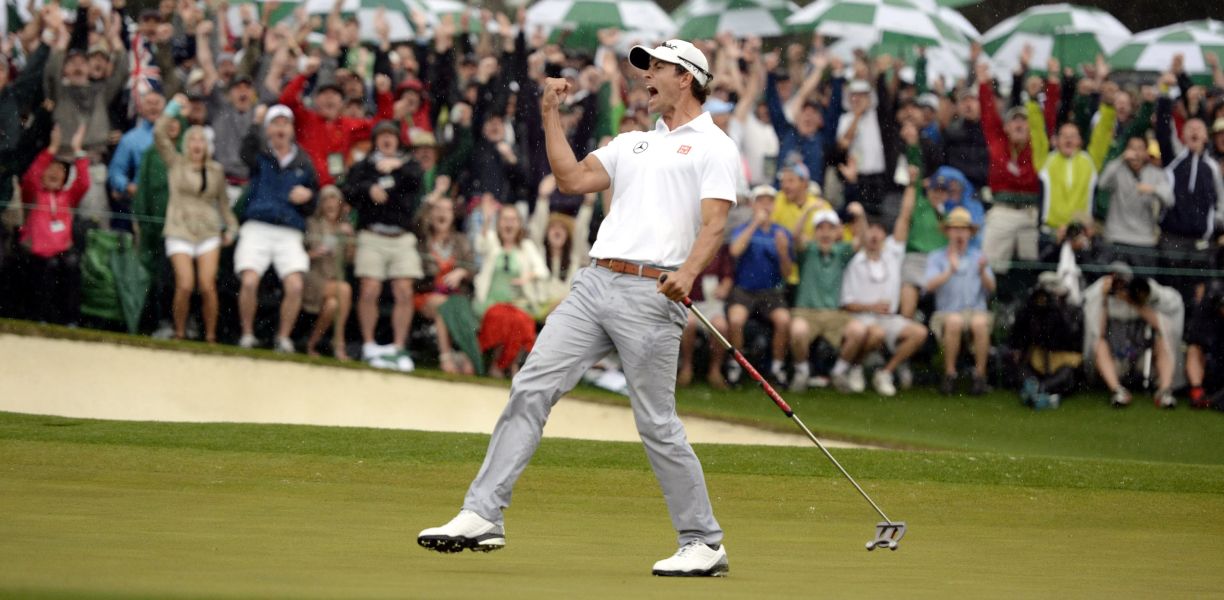
    The study saw 81 novice golfers attempting a putt under different pressure conditions.

    These conditions included time constraints, increased difficulty, video observation, team participation, goal setting, experiencing fame or shame, and distraction.

    The aim was to uncover the psychophysiological effects of pressure on performance.

    The study’s results were categorized into performance outcomes, psychological responses, physiological reactions and kinematic responses.

    The Findings

    Performance Outcomes

    Contrary to the conventional wisdom, the results demonstrated that performance was adversely affected by time constraints and increased difficulty, but surprisingly improved under team, goal setting, and shame conditions compared to a control setting. 

    Psychological Responses

    The participants reported higher perceived pressure and effort in almost all pressure conditions, except distraction.

    Conscious processing, a measure of cognitive focus, increased in all conditions except distraction and time constraint.

    These findings challenge the assumption that pressure uniformly hampers psychological responses.

    Physiological Reactions

    Heart rate increased significantly under time pressure, team participation, experiencing fame, and shame.

    However, heart rate variability and muscle activity exhibited diverse patterns, with no clear correlation to specific pressure conditions. 

    Kinematic Responses

    Analyzing the movement of the putter provided intriguing insights.

    Under certain pressure conditions, participants exhibited slower and more controlled swings, while in time-pressure situations, the swing became faster. 


    Recognizing the nuanced effects of pressure on performance can empower athletes and coaches to craft training plans that deliberately incorporate these conditions, fostering an environment conducive to improved overall performance. 

  • Study Finds Ritualized Behavior Enhances Performance in Athletes

    Study Finds Ritualized Behavior Enhances Performance in Athletes

    In the world of sports, the pregame rituals of athletes have long been observed with curiosity.

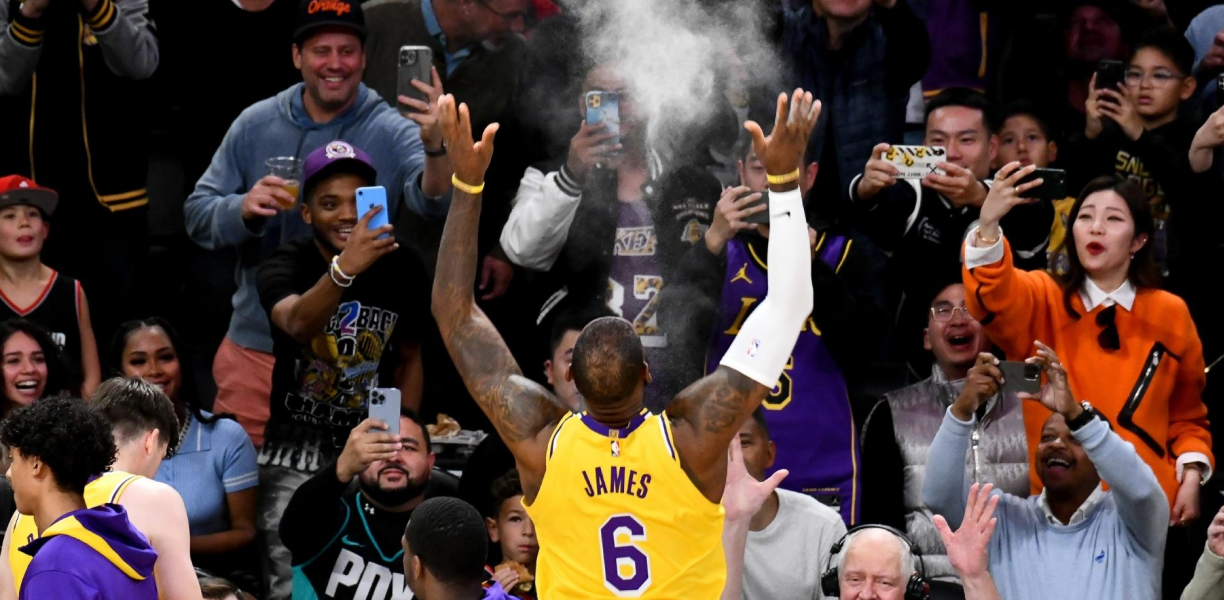
    Have you ever seen tennis star Rafael Nadal adjusting his bottles and pulling his shorts up before every point? Australian cricketer Steve Smith adjusting his batting equipment before each ball? Or basketball great LeBron James throwing chalk dust before each game?

    A 2023 study by Chinese researchers from the Southwestern University of Finance and Economics and Beijing Sport University revealed that ritualized behavior significantly enhances performance in tasks designed to evaluate inhibitory self-control.

    Psychological research views ritualized behaviors as characterized by repetition stereotyping, and rigidity.

    Researchers have identified three core components of ritualized behaviors – process like/structed (physical), symbolic (psychological) and lack of directly instrumental purpose.

    Contrary to conventional wisdom that dismissed ritualized behavior as mere compulsive actions, emerging research suggests that these rituals play a vital role in the athlete’s mental and physical preparation.

    These actions are known as ‘pre-game boosters’. The distinction lies in the transformative power of rituals, morphing them from mere habits to potent tools that boost performance.

    It’s not about superstition; it’s about a deliberate and strategic approach to optimizing self-control and overall athletic prowess. 

    Digging into the psychology behind the phenomenon, it becomes apparent that the psychological features of ritualized behavior are crucial contributors to its impact on inhibitory self-control.

    The mental preparation, focus, and discipline ingrained in the ritual become powerful allies for athletes, particularly in moments that demand restraint and precision.

    Understanding these psychological underpinnings provides a roadmap for athletes and coaches looking to harness the full potential of ritualized behavior. 

    The synergy between physical and psychological attributes emerges as a game-changer.

    The combination of a well-choreographed ritual and the specific demands of the athletic task seems to produce the most significant benefits.

    This dual approach signifies that the mind-body connection is at the heart of optimal athletic performance.

    Athletes are not merely engaging in rituals for the sake of tradition; they are strategically aligning their mental and physical faculties for peak performance. 


    In conclusion, pregame rituals are more than superstition; they are deliberate tools for optimizing self-control and athletic performance.

    Recent research highlights the transformative power of ritualized behavior, demonstrating its strategic role in enhancing inhibitory self-control.

    The psychological aspects, such as mental preparation and focus, contribute significantly to the ritual’s impact.

    Ultimately, the synergy between physical and psychological attributes emphasizes the crucial role of the mind-body connection in achieving peak athletic performance. 

  • The Emotional Nuances of Representing Your Country

    The Emotional Nuances of Representing Your Country

    Author – Vedika Jogani

    A recent graduate from Ithaca College with a Master’s degree in Sports and Exercise Science, specializing in Mental Performance, Vedika Jogani is OMP’s Product and Content Manager.

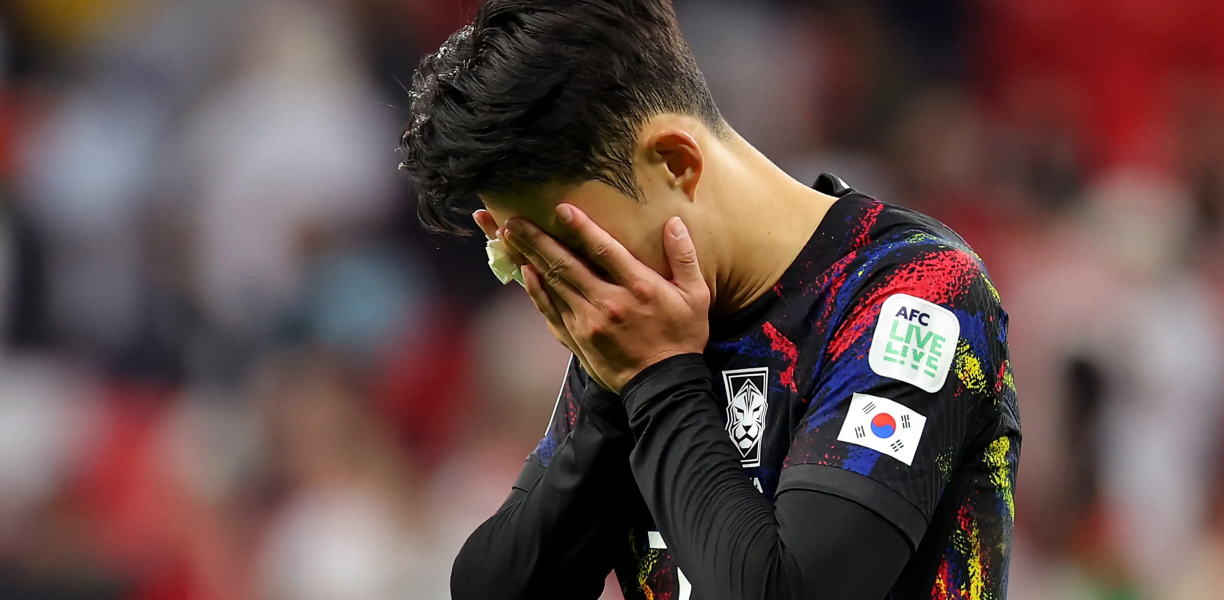
    Amidst the fervor of the Asia Cup and AFCON Cup, athletes temporarily set aside their club duties to proudly represent their nations. 

    Beyond the routine of club football, playing for one’s country taps into a profound aspiration.

    Bundesliga player Serhou Guirassy captures this sentiment, stating, “You don’t have much better than playing for your country”.

    Soccer players, deeply entrenched in club dynamics, grapple with intriguing questions about identity and motivation when transitioning to the international stage. 

    Delving into the psychological facets of this shift reveals the emotional nuances that make playing for one’s country an exceptionally cherished experience. 

    1. Embodying one’s national colors is an immersion in a profound sense of national pride and identity. Players forge a deep connection with their homeland, engaging in a pursuit that transcends individual achievement.

      As expressed by David Luiz in a post-game interview during the 2014 Brazil World Cup, “I just want to bring happiness to these people; my people have suffered so much with other things.”

      The players’ commitment extends beyond personal aspirations, becoming a heartfelt endeavor to uplift and bring joy to their fellow citizens. 

    1. Pressure and Expectations: Playing for the country of one’s upbringing introduces an additional layer of pressure from the fans, media, and the entire nation.

      This heightened expectation can exert significant psychological stress on athletes, potentially impacting their performance.

      The weight of representing not just themselves but an entire nation amplifies the stakes, making the psychological toll an evident aspect of the athlete’s journey on the international stage 

    So, how can soccer players manage these expectations? By: 

    1. Reconnecting with Their Purpose: Reflecting on the essence of why they engage in the sport—what brings them the utmost joy and fulfillment. 
    1. Embrace Pressure as a Privilege: Shift the perspective on pressure by framing it as a privilege rather than a burden.
      Remind players that representing their country is an honor and an opportunity to showcase their skills on a grand stage. 
    1. Focus on Process, Not Outcome: Emphasize the importance of focusing on the process rather than fixating on the outcome. Encourage players to concentrate on their roles, responsibilities, and the execution of their skills rather than dwelling on external expectations. 

    In conclusion, playing for your country is like telling a story woven with national pride, identity, and the mix of pressure and expectations.

    For athletes, it’s about going back to why they love the game, seeing pressure as a unique opportunity, and keeping their eyes on the journey, not just the end. 

  • Mentally Preparing for a Super Bowl

    Mentally Preparing for a Super Bowl

    This week the eyes of the sporting world turn to Las Vegas as the Kansas City Chiefs and San Francisco 49ers face off in Super Bowl LVIII.

    It is a rematch of the Super Bowl LIV which saw the Chiefs beat the 49ers 31-20.

    For some 49ers players, it will be a chance at redemption, for the Chiefs it will be their fourth Super Bowl in five years and a chance for a third Super Bowl ring.

    For some players on both sides, like 49ers quarter back Brock Purdy, it will be their first time stepping onto the grandest stage in sport.

    So how do they prepare for it?

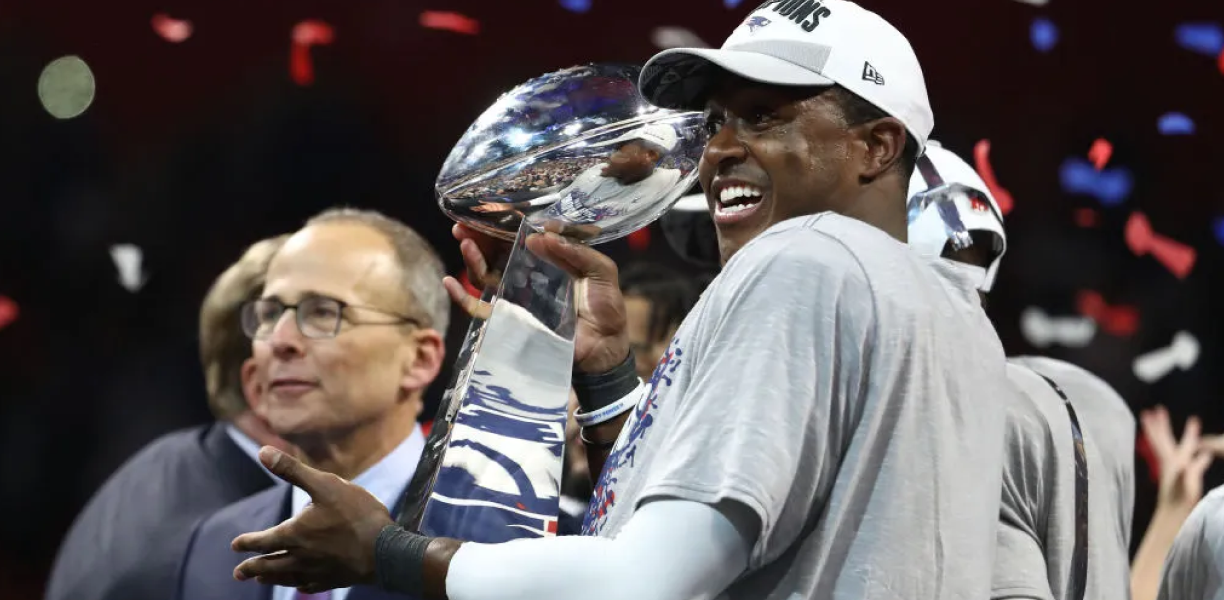
    Matthew Slater, the New England Patriots great and three-time Super Bowl Champion gives his insights as to how he handled his first Super Bowl appearance and how he used failure to power him on to success.

    The following excerpts come from his course Gunning for Success available now in the OMP app.

    Mindset

    My mindset headed into my first Super Bowl in 2012 changed the mindset I had for the remaining four appearances.

    Heading into my first Super bowl, the number one thought on my mind was, we can’t lose.

    We have to win this game. We just have to win this game. I had this urgency to win, and then there’s a great fear of losing.

    We’ve come this far. You never know if you’ll make it back again.

    My dad made it to one Super bowl with the Rams in 1980, lost and never got back there.

    I really didn’t want that to happen to me. So my fear of we just can’t lose was certainly more heightened, maybe even more so than others.

    It was restricting and suffocating.

    I was hesitating in my actions and didn’t want to make a mistake, which led me to make mistakes.

    When we lost, I was devastated. But once I overcame the emotion, it made me so hungry, so motivated to get back there again.

    I decided that I wasn’t going to give in to fear anymore and I was going to go out there and lay everything on the line.

    I had a taste of championship football, and when you get a taste of your goals or something that you’re hoping to achieve and you get that close and you see what it’s like, but you miss out on it, it makes you so hungry.

    Learning from Failure

    My big learning from my first Super bowl was that I needed to stick to my routine. I needed to push aside any distractions and maintain the process I used throughout the season to get me to that point.

    That meant ignoring calls and messages from family and friends, getting my wife, mom and dad to deal with those distractions.

    I had to remind myself that the game was exactly the same as any other. The dimensions of the field do not change. The ball is the same size and weight.

    There are large crowds at all games throughout the year, and as always, the opposition want to win as much as you.

    Now, I’m never going to say it was a good thing to go to the Super bowl and lose, especially because there was no guarantee that I was going to go back there again.

    But losing that first one taught me so much for the next four Super Bowls, and I never again had that fear.

    Even when we were down 28 to three against the Atlanta Falcons in 2017, I wasn’t worried about losing.

    Focus on What You Can Control

    All my thoughts were, let’s go out here, try to represent ourselves a little bit better and just start competing at a higher level and executing.

    It was remarkable in those moments and as the game went into overtime that we didn’t panic, and our focus remained honed in the way that it did.

    When you’re in these situations, the best way to remain calm is to focus on the controllable elements of your game.

    When you get in a situation like being down at halftime, there are so many things outside of your control.

    So, you need to look at what you can control. It’s peeling it back to the fundamentals that you talk about from day one.

    How can I do my job with good technique, good execution and just focus on that?

    You can’t become overly fixated on the outcome.

    Let the coaches – or whoever – be worried about the outcome.

    You, as a player, as a performer, need to focus on just doing your job with consistency in those moments.

  • Leading Performance Psychologists Partner with OMP

    Leading Performance Psychologists Partner with OMP

    Optimize Mind Performance has partnered with leading performance psychologists Drs. Alex Auerbach, Kacey Oiness, Brett Haskell, and Professor Abigail Eiler.

    This teams of experts have a great understanding of the challenges faced by sport psychology departments and mental performance coaches, having worked within NCAA, NHL, NBA, MLB, and NFL organizations.

    OMP will harness this experience to further improve their platform’s offering to ensure that the platform can have a greater impact for sport psychologists, coaches and athletes.

    As part of this partnership, this expert team will use OMP’s platform in their work with organizations, while OMP will work with them to provide further guidance to organizations that need assistance with their mental performance departments.

    “We’re delighted to be partnering with OMP,” said Kacey Oiness, current NCAA, NHL and NBA G-League performance psychologist.

    “There has long been a need for a digital solution for mental performance teams across the world and OMP is that solution.

    “With sport psychologists and mental skills coaches often drastically outnumbered, OMP gives us mental performance coaches a software tool, like other key performance pillars, that broadens our reach, collects data, and fosters greater engagement.

    “We’re looking forward to working alongside the team at OMP as we help mental performance coaches leverage technology to maximise their impact across their organizations and unlock peak mental performance.”

    OMP CEO and Founder Jack Preddey: “It’s our mission to empower sport psychologists and athletes,and partnering with these experts who have hands-on experience running programs across different streams within sport will help us get closer to achieving this goal.

    Contact the OMP Team
    [email protected]