A recent graduate from Ithaca College with a Master’s degree in Sports and Exercise Science, specializing in Mental Performance, Vedika is OMP’s Product and Content Manager. During her studies, Vedika worked closely with Ithaca’s Men’s and Women’s Tennis Teams and Women’s Volleyball Team as their Mental Performance Consultant. Vedika is currently completing her Certified Mental Performance Consultant Certification.
In the world of sport, there exists an underlying current that propels athletes beyond their physical capabilities.
This is your why – the driving force that kindles your passion, fuels your dedication and sets your athletic journey apart.
By understanding your unique motivation, you can unlock a reservoir of strength, resilience and fulfillment that propels you to surpass your limits.
The why is the core principle of your athletic experience, encapsulating your core beliefs, aspirations and reasons for engaging in your chosen sport. It is the North Star that keeps you grounded, focused and driven to overcome obstacles.
Here are a few simple steps you can follow to find your why:
1. Self-Reflection
In order to find your why one needs to embark on a special journey of self-reflection.
Asking yourself the right questions such as why do I engage in this sport, what part of this sport brings me joy and satisfaction and how does participating in this sport align with my goals and values?
Delving deep into your goals and values will allow you to find that journaling your thoughts becomes a transformative tool, aligning your passions and desires and the true significance of your involvement in your sport.
2. Aligning with Values
Your values are your guiding principles that shape your decisions and behaviors.
Allowing your motivation for sport to align with your values starts to become a natural extension of yourself.
As your athletic pursuit intertwines with your values a profound sense of purpose emerges nurturing intrinsic motivation and kindling meaningful connections.
Contemplating the essence of your core values unearths the map to your purpose, shining light on the reasons that drive you forward in sport.
3. Setting Meaningful Goals
Setting goals that are rooted in your why can help to fuel your athletic journey with a true purpose.
Rather than fixating solely on end results, embrace the shift towards process-oriented objectives.
By immersing yourself in the journey itself and embracing personal growth, you not only infuse your pursuit with purpose but also embark on a journey unveiling the authentic core of your true passion.
In the grand tapestry of sport, your why is the thread that weaves meaning, passion and purpose into your journey.
By understanding your why, you not only enhance your athletic performance but also embark on a profound voyage of self-discovery.
Take a moment to reflect, delve into your passions and let your “why” guide you toward a future enriched with purpose and fulfilment.
In a highly competitive world of sports, where physical prowess and technical skills are vital there exists an intangible trait that sets champions apart from the rest: confidence.
Extensive research has consistently shown that confidence plays a pivotal role in an athlete’s thoughts, feelings and behaviors, ultimately influencing their performance.
Many renowned athletes have emphasized the role confidence and self-belief have played in their performance.
Soccer superstar Cristiano Ronaldo, who is often amongst the players considered the greatest of all time, emphasized the significance of confidence in his game. Ronaldo believes that self-belief and a confident mindset are key aspects that helped him to perform at his highest level.
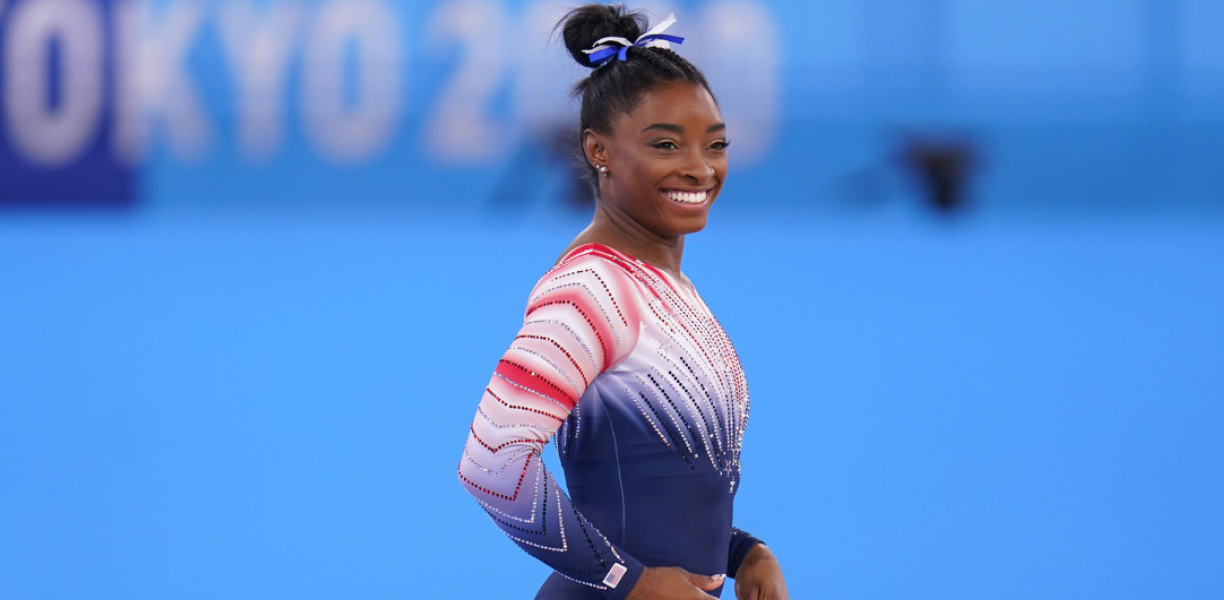
Similarly, Simone Biles, widely regarded as one of the greatest gymnasts of all time, has discussed the importance of confidence in her performance. She has mentioned that when she feels confident, she is able to perform difficult routines more effectively and with greater precision.
A qualitative study conducted in the United Kingdom on world class performers explores the relationship between confidence, world-class sport performance shedding light on the cognitive, affective and behavioral aspects that are impacted by confidence.
The study revealed that high confidence is closely associated with effective competition focus. Athletes with elevated confidence levels demonstrate the ability to concentrate on the task at hand, maintaining focus on their routines and minimizing distractions.
This enhances cognitive focus, allows athletes to optimize their performance under pressure, reducing anxiety, fear and panic before competitions. Moreover, confident athletes exhibit positive affective states, fostering productive achievement behaviors.
They approach competition with a bold and decisive mindset, believing in their ability to execute their skills. Self-assurance empowers them to make optimal decisions and perform with conviction. This positive affective state fuels motivation, effort and persistence, contributing to improved overall performance.
The study also highlights that confidence has a profound influence on an athlete’s ability to focus, maintain concentration and execute routines effectively.
Confidence is a game-changer in the world of sports, influencing an athlete’s cognition, affect and behaviors. High confidence levels enable athletes to maintain effective competition focus, minimize distractions and perform optimal under pressure.
It is by addressing barriers to confidence and providing athletes with the necessary support we can create an environment that cultivates and sustains their self-assurance. Confident athletes can strive to unleash the champion within themselves by recognizing and harnessing the transformative power of confidence.
To find ways to build or maintain your confidence, download the Optimize Mind Performance App here.
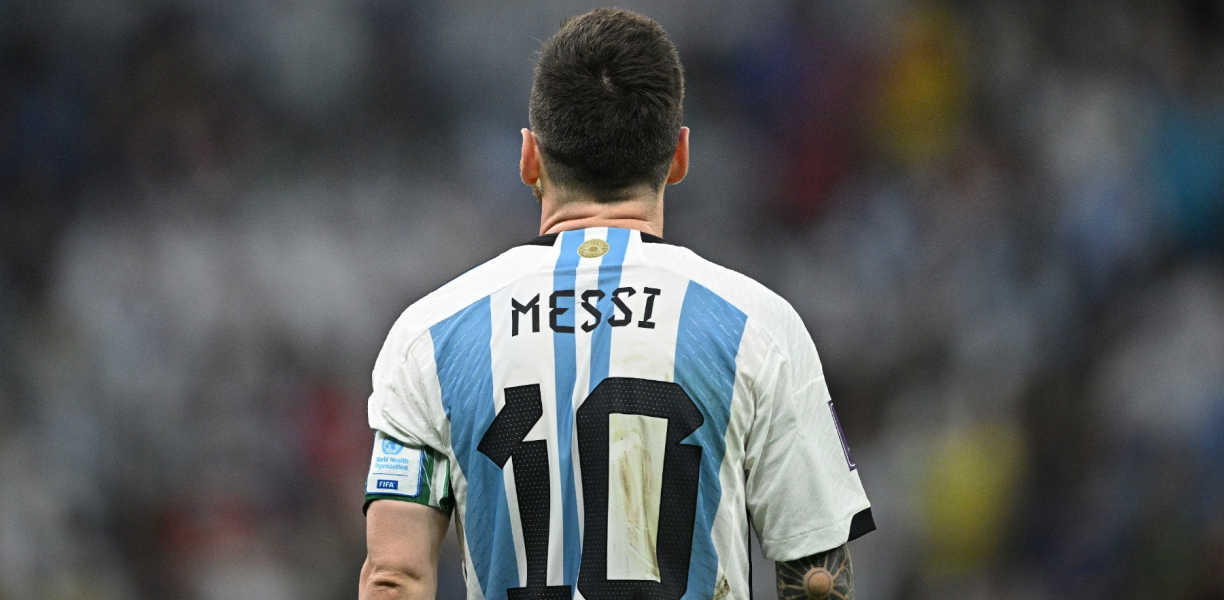
Lionel Messi is considered one of, if not the greatest player to set foot on a soccer pitch.
A World Cup winner and seven times voted by his peers as the best player in the world (the Ballon d’Or), the Argentine is headed to Inter Miami in the MLS and faces one of his greatest challenges yet – taking the world game to new heights in one of the world’s most crowded sports markets.
So, what makes Messi one of the greats? Known for his clinical passing, incredible vision and composure in front of goal, the 35-year-old is considered a footballing god, but what is often overlooked is the mental side of his game.
Writing exclusively for Optimize Mind Performance, Geir Jordet, a Sport Psychology Professor specialising in soccer and coaching at the at the Norwegian School of Sport Sciences, shares insight into Messi’s psychology and what makes “the G.O.A.T” so good.
Decision Making
Messi obviously has a wonderfully sensitive and powerful left foot. His touch on the ball, his precision in passing and shooting, and his drive while running with the ball are all unparalleled in soccer history.
However, I would argue his most exceptional body part is his brain.
A key to Messi’s performances is his ability to pick up critical information in his surroundings, process it lightning-fast, and flexibly adapt his actions to the events unfolding around him. This is most striking when he has the ball at his feet and opponents are moving in on him to try to tackle. Messi seems to register the opponents’ actions just early enough that he can react to them and move away accordingly. He sees what the opponent is doing, then acts based on it to functionally adapt. Every time.
This display of cognitive flexibility is indicative of a marvellously effective brain process, which psychologists usually label Executive functions. These Executive Functions also typically involve processes such as cognitive updating – the ability to constantly revise old memories and situational representations with new ones, and cognitive inhibition – the ability to stop an already begun thought or action. Although I doubt anyone has ever tested Messi’s executive functions, his movements on the soccer pitch suggests he is outstanding at them, particularly in soccer specific situations.
In our studies of Messi’s cognitive-perceptual skill, we have followed him with a video camera in games, to produce full-figure, close-up videos of him in action. Here we find that Messi visually scans his surroundings for information prior to receiving the ball, with a scanning frequency that is just a little bit higher than other elite players in his position.
Lionel Messi has an extraordinary ability to perceive & act appropriately upon critical information on the pitch.
Here is a breakdown of his perceptual, cognitive & emotional performance in key moments of the 2022 World Cup final – starting with his 3-2 goal. Thread 1/12 pic.twitter.com/OgTfrDV9VT
Basically, he constantly looks around, seemingly collecting information that can guide his upcoming actions. Messi starts this process early. When a new situation arises, as for example the ball is passed from left to right, we can observe Messi starting to prepare for what will come by scanning just a little bit earlier than those players around him. This suggests again that he looks for, and then picks up information, faster than others.
Finally, Messi often engages in what we call micro-scanning. This means that he doesn’t always turn his body or head around to pick up information, but sometimes just uses small micro-movements of his head or just his eyes. He can do this unbelievably fast and because the opponents aren’t aware of such microscopic movements, they are concealed from them, which makes Messi even harder to read and predict. All together, these details that characterize Messi’s information gathering and processing, are his real superpowers.
Performing Under Pressure
One of the things making Messi so special under pressure is that he doesn’t do anything special under pressure. He consistently delivers the same displays of skill under pressure as he does under less pressure. Just like for many absolute top sport performers, for Messi, normal is enough.
This is not as easy as it may sound. To act “ordinary” under “extraordinary” circumstances, Messi relies on his truly exceptional soccer skills and the experience he has of delivering over and over under pressure. This gives him sufficient confidence in these skills. This confidence will most likely protect him from the threats inherent in pressure situations that take down so many other athletes – the thoughts about consequences, negative expectations, and anxieties. For Messi, it seems that he just lets his skills run the show. There’s no need for extra, he does what he always does.
That’s for his performance in open play. As for Lionel Messi’s penalty kick performance, this has never quite matched his extraordinary levels of performance in other parts of his game. Across his career, Messi has scored on only 77.9% of his penalty kicks, which is just UNDER average for all players in the European top leagues. Yet in the 2022 World Cup, under extremely high pressure on him personally, he scored on 6 of 7 penalty kicks which most certainly helped Argentina become world champion (86% goals).
Did he do anything different with his penalties in the World Cup? Yes, more than in the past, he relied on a penalty technique that probably makes him get more out of his unique cognitive-perceptual skillset. For the majority of his World Cup penalties, Messi used a goalkeeper dependent strategy, where he looks at the goalkeeper’s movements, lets him make the first move to left or right, and then places the ball in the other direction. With this technique, he steps up to the ball while looking at the goalkeeper, waiting for him to make the first move. There is a big risk to this technique, because you basically have not decided where to shoot the ball while you lift the foot to kick it, and unless you have complete composure and cognitive control, you will miss it. Sometimes, with some players, this may look foolish, but executed well, these shots are very difficult to stop. Essentially, the goalkeeper makes the decision about where to shoot. The cognitive flexibility required to execute this shot is extreme. Several elite players now use this technique, but Messi is the only one who has done it under the immense pressure in a World Cup final, which he did in Qatar, twice.
Goalkeepers are on to this strategy and perform counter measures. However, Messi has the answer to this too, he alternates technique. Sometimes, he uses a different strategy, the one he has predominantly used in the past with mixed success, the goalkeeper-independent strategy where he has decided in advance where to shoot the ball. Alternating from penalty to penalty makes him very difficult to predict for the opponent goalkeeper. In the World Cup, he used both these techniques, but his only miss came from the goalkeeper independent technique – where he had decided beforehand where to shoot.
Leadership
Messi was the captain of the Argentina team who won the 2022 World Cup, and the undisputed leader. Messi is not a big leader with words. His leadership is built on actions. One example is how he led his team through two World Cup penalty shootouts, in the Quarterfinal against the Netherlands and in the Final against France.
Messi scored both his kicks, but more interesting was how he connected to his teammates.
When Messi’s teammates scored their shots in the penalty shootouts, Messi could be seen far outside the mid circle, walking towards his teammates as they walked back to the team, congratulating them and getting them back into the group. Given that the rules clearly state that you cannot walk outside of the mid circle during a penalty shootout, Messi showed that it was worth taking a risk of a referee sanction for the benefit of his teammates.
What would Messi do if a teammate missed in the penalty shootout?
They didn’t miss in the Final, but when Enzo Fernández missed in the Quarterfinal, Messi oozed character by being first to receive him back to the group.
Perhaps more importantly, Messi also did this when his teammate (as this only happened once) missed. When Enzo Fernandez missed his shot, it was Messi who stepped away from the group to greet him and receive him back into the warmth. This sends a powerful message to the rest of the group: If I miss my shot, our leader, Messi, will still welcome me into the group. In addition, immediately after the win in the penalty shootout against the Netherlands was secured, all the Argentina players ran over to Lautaro Martinez who scored the last and decisive penalty. Messi, never one to follow the group, ran in a completely different direction. He ran to their goalkeeper Emi Martinez, who obviously had been instrumental in securing the win.
Messi sees the big picture and shows this with his actions, even when constraints in the situation coerces people to behave in another way. That’s character. And that’s leadership.
In today’s digital age, athletes face a unique challenge when it comes to maintaining optimal mental focus and performance.
Social media can contribute to mental fatigue, which can have a detrimental effect on decision-making abilities and overall athletic performance.
However, recent research has shed further light on an effective strategy that can help athletes mitigate the harmful impact of mental fatigue: motivational self-talk.
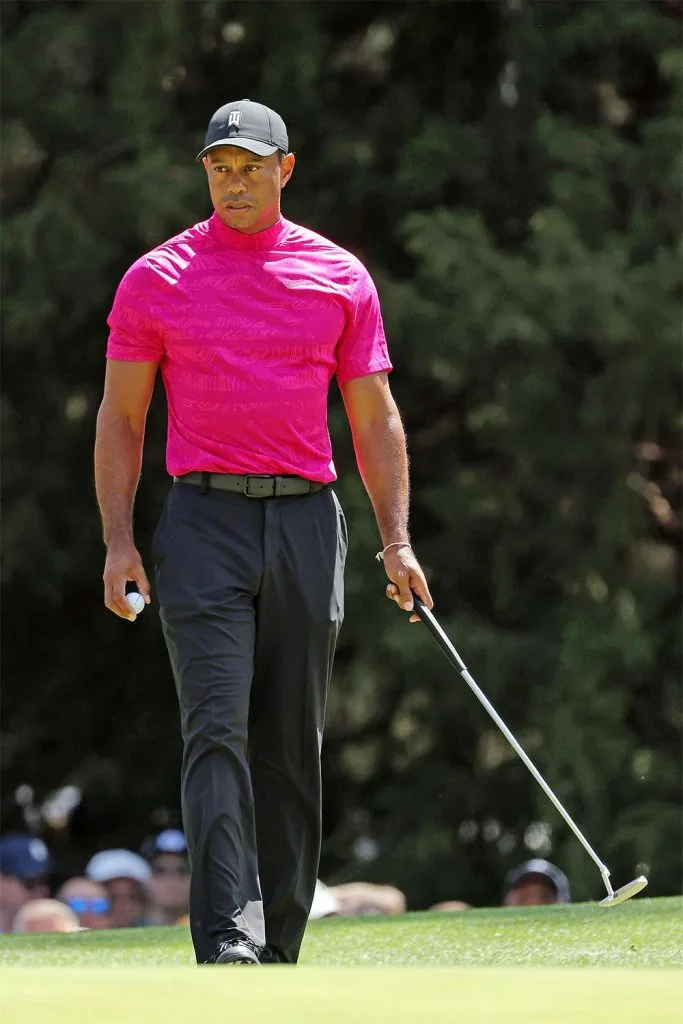
Tiger Woods is known to have used Motivating Self-Talk.
G.O.A.Ts Use It
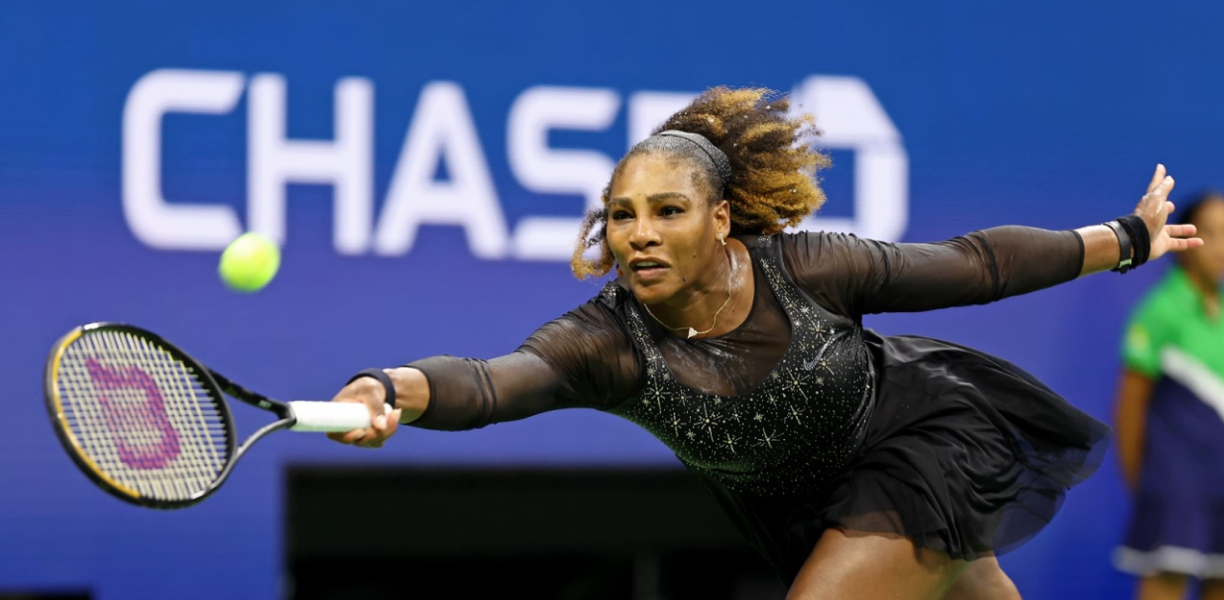
Tennis superstar, Serena Williams has been vocal about her use of positive self-talk to improve her performance.
Williams, considered one of the greatest tennis players of all time, used statements like “I am strong” and “I can do this” to maintain her mental edge during her record-setting career.
Similarly, former world number one golfer, Tiger Woods has spoken about his use of self-talk as a crucial mental strategy in his game.
He has mentioned repeating phrases such as “Commit to the shot” and “Stay Patient” to maintain concentration, manage pressure and optimize his performance on the course.
How it Works
Motivational self-talk involves the deliberate use of positive and affirming verbal cues to boost performance and self-regulation.
It has been widely studied and recognized as an effective strategy for enhancing motor performance in various domains.
By incorporating strategic self-talk into their routine, athletes can effectively manage negative emotions, enhance focus, and optimize their overall performance.
The study included two experimental conditions: mental fatigue alone and mental fatigue coupled with motivational self-talk, along with a control condition.
Mental fatigue was induced using a 30-minute Stroop task, a cognitive demanding exercise known to deplete cognitive resources.
The findings of the study revealed the powerful influence of motivational self-talk on endurance performance, particularly in the context of mental fatigue.
Athletes who engaged in motivational self-talk exhibited significantly improved performance compared to those who did not receive the intervention.
The positive effects were attributed to the heightened engagement with the task and the ability of self-talk to counteract the negative impact of mental fatigue.
What do these Findings Mean?
The implication of these findings is substantial, especially for coaches and athletes to optimize performance in endurance sports.
Coaches should familiarize themselves with the concept of self-talk and its functions empowering them to guide and encourage athletes to adopt effective self-talk strategies.
By incorporating motivational self-talk into their training and competitive routines, athletes can develop resilience against mental fatigue, bolster their self-efficacy and maintain a positive mindset during their performance.
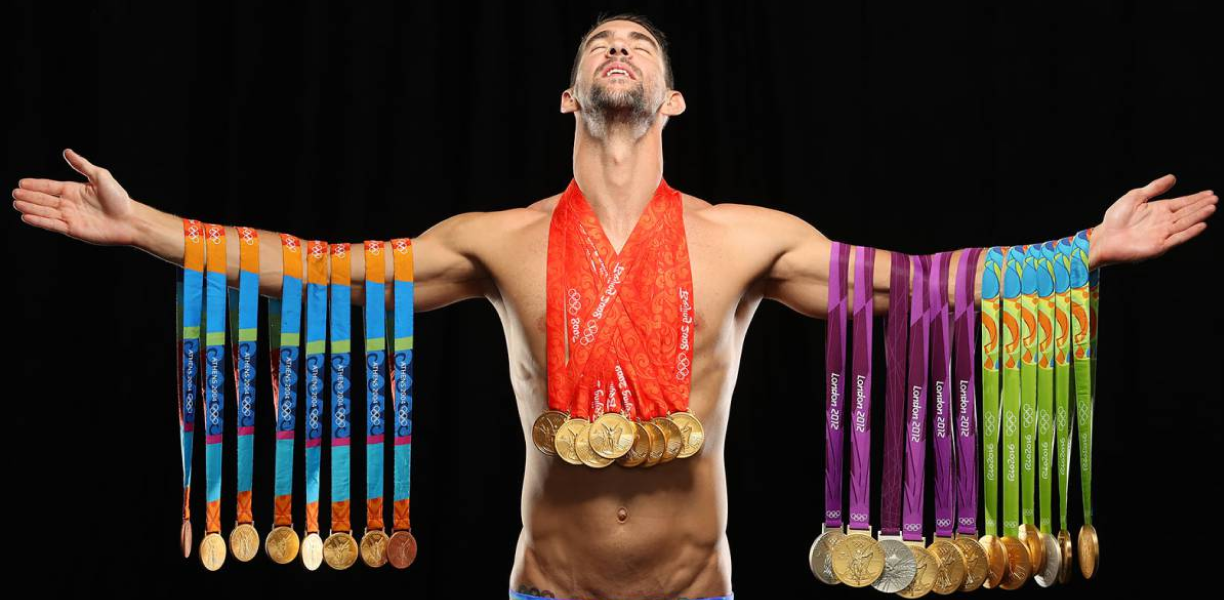
Breathing exercises have long been used by athletes to high degress of success with the greatest Olympian, American Swimmer Michael Phelps, having employed breathing techniques and visualization to power him to a record 23 gold medals.
These improvements can be attributed to the psychological and physiological advantages that breathing techniques offer.
The addition of breathing techniques into training protocols enhances athletes’ focus, concentration, and mental processes.
By reducing anxiety and stress levels, these techniques create an optimal mindset for peak performance.
Athletes also experience improved emotional regulation and cognitive function, enabling them to excel in their sporting endeavors.
Breathing techniques also benefit athletes physiologically. Improved oxygen delivery to the muscles contributes to enhanced endurance and overall performance.
Increased lung capacity allows for more efficient breathing and better utilization of oxygen during physical exertion.
These physiological adaptations can positively impact an athlete’s athletic prowess across various sports.
Past research into breathing techniques and their impact on sport found it had a positive impact on sporting performance and these recent finding further highlight the potential of incorporating these techniques into training as a means of assisting athletes to perform at their optimal level.
Head to the Visualization and Breathing section of the OMP app to find Breathing Exercises from the world’s leading coaches in mental performance. Download the OMP App.
It is not uncommon for athletes to embrace ritualized behaviors as part of their pre performance routines.
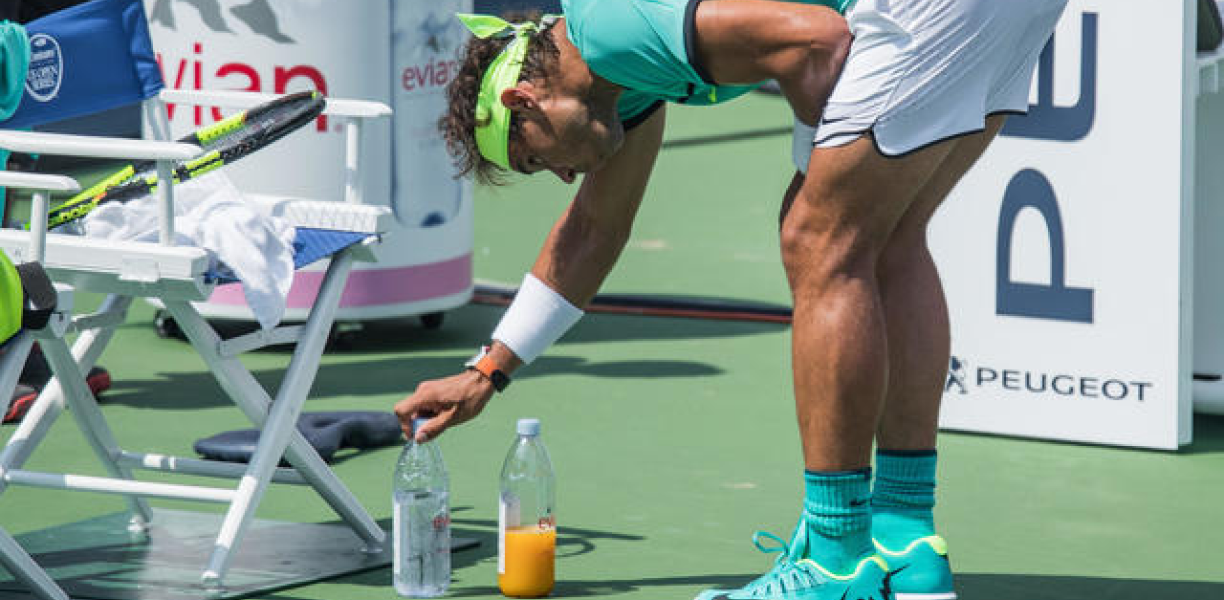
From Rafael Nadal’s widely known short pulling and water bottle actions to LeBron James throwing chalk or Serena Williams wearing the same pair of socks during an entire tournament, millions of athletes partake in ritualized behaviors.
While these behaviors may appear to be insignificant to outside observers a series of experiments conducted by researchers in China explores the psychological and physiological benefits of ritualized behaviors on an athlete’s performance.
Ritualized behavior is characterized by its rigidity, stereotyping and repetition. It encompasses three main components: the physical process or structure, the psychological symbolism and the lack of direct instrumental purpose.
Despite their seemingly arbitrary nature, empirical evidence has shown that ritualized behaviors have several benefits including increased social connectedness, improved emotional regulation, enhanced goal management and ultimately, better performance.
The 2023 study conducted by Dongting Yun, Liwei Zhang and Yue Qiu focused on the impact of ritualized behaviors on athlete’s psychological state and performance. Athletes who engaged in ritualized behaviors reported feeling more focused, confident and in control during their performance.
The study also revealed that engaging in ritualized behavior’s led to an increased inhibitory self-control, emphasizing the importance of their psychological features.
These findings shed light on the potential benefits of ritualized behaviors in the realm of sport performance. Engaging in rituals that promote physical self-control before competition can have a significant impact on an athlete’s psychological state, resulting in improved performance.
Rituals serve as a tool for athletes to channel their focus, confidence and control ultimately leading to better performance on the field or court.
Understanding the effects of ritualized behaviors can empower athletes, coaches, and sports psychologists to incorporate rituals into training programs unlocking their potential to optimize performance and achieve success in their sport.
To build a Routine that you can put to use to improve your performance, head to the OMP App and listen to Geoff Miller’s course on Routines to build yours. Download the OMP App.
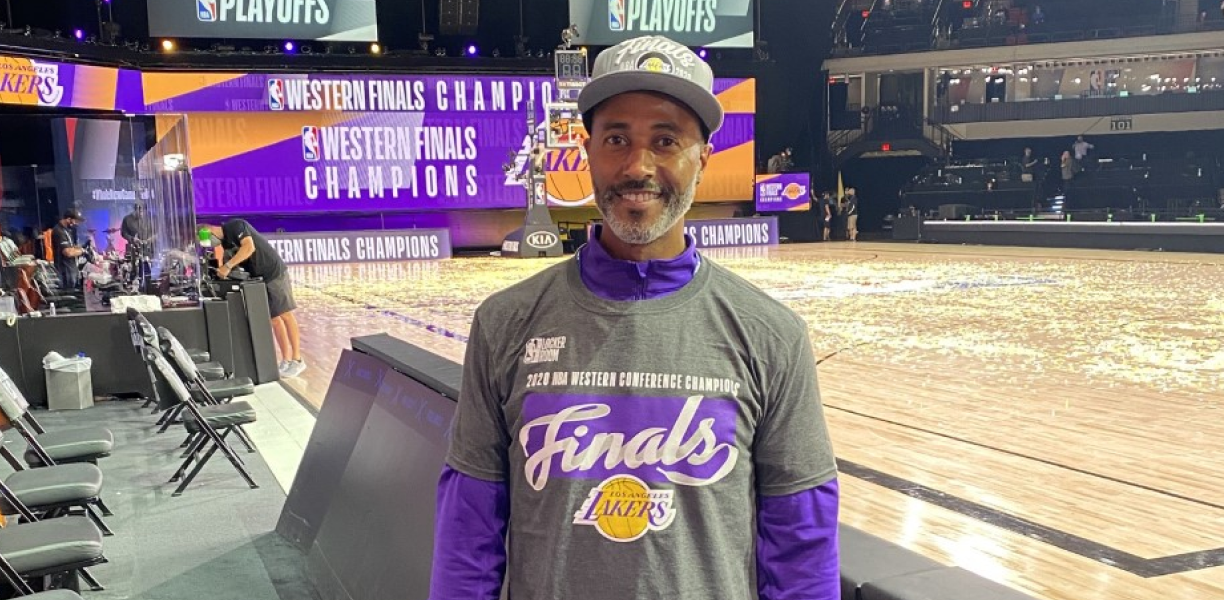
Dr Ross Flowers is a sport psychologist with over 20 years of experience in high-performance sportincluding working with both the Los Angeles Clippers and the Lakers.
In this exclusive blog for OMP Coach Flowers speaks about what it takes for NBA players to perform at their best during the pressure of the NBA finals, based off his experience working with the Lakers during their 2020 Championship winning season.
The intensity and highly competitive environment of the NBA playoffs can be overwhelming. For some, high pressure situations create questions, doubts, fears and concerns about the present and an unknown future outcome. Some will question their readiness, training, personal strengths or abilities, and team competitiveness.
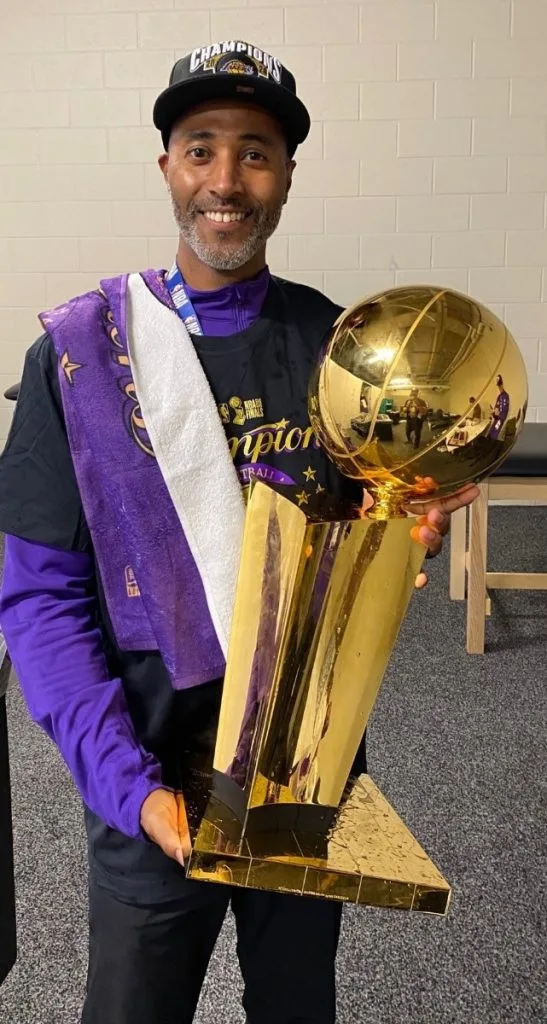
Dr Flowers poses with the Larry O’Brien Championship Trophy in 2020.
High pressure playoff environments are ample playgrounds for mental performance skills. Individually, players can use effective breathing to manage unwanted emotions and help refocus attention in the moment; reinforcing positive cues and successful visualization can help support confidence and focus on successful performance behaviors; and engaging in positive distractions to ease tension and feelings of pressure.
For some players, watching highlights of games is a helpful tool to learn what works well for in-game situations and what can be learned about an opponent. For others, using healthy social outlets to get way from the game are helpful to separate from the intensity of the game. Yet, others prefer rest and relaxation of the mind and body with sleep, meditation, or just being still to rejuvenate and reload for the next game.
Whether it’s a team competing in a bubble for a championship, on the road in a hostile opposing team environment , or at home with a supporting fan base the methods of establishing competence to become confident in performance is necessary for playoff success.
The NBA playoffs offer teams the opportunity to come together and use the attributes of competency that have been developed during the 82 game season to have confidence in every member of the team to perform.
As players become familiar with one another, get to know each other’s strengths, motivators, distractions, commitments and methods of follow through, a trust and belief in one another is built Playing through close games, exciting wins and tough losses helps a team build self-awareness and knowledge about what behaviors to develop, reinforce and trust.
Those trusted behaviors become favorable skills that teams can have faith in executing with a high percentage of confidence.
Being in the 2020 NBA Orlando Bubble I saw teams who made a commitment to grow together and strengthen their individual and team awareness, knowledge and skills into a higher level of competency. Those who invested themselves, their knowledge, energy, trust and talent into their team and how they collectively play the game we’re rewarded as the sum of their individual talents evolved into a greater outcome of a championship.
Let’s see how mental performance skills impact performance in this year’s NBA playoff pursuit of the Larry O’Brien Championship Trophy!
This week, hundreds of NFL draft prospects across America wait anxiously for their futures to be decided. After hours of hard work and grind through high school and college, they’re anxiously awaiting their name to be called in the 2023 NFL Draft.
Some will be called in the first round on Draft Night, just like Optimize Mind Performance ambassador Isaiah Wynn back in the 2018 Draft when he was selected by the New England Patriots with the 23rd pick.
While being selected with a first-round pick is an accomplishment, it also brings with it the pressure of expectation.
As Wynn explains in his exclusive content series now available on the OMP App, he never really felt that pressure despite being selected by an organization that had won two Super Bowls in the four seasons prior and who was coming off a loss in Super Bowl LII.
“I love being a first-round pick,” he said.
“To understand how I have this mindset, we need to go back to the beginning.
As a kid I never in my wildest dreams thought I’d become a professional football player. When I was playing in high school, I didn’t even consider myself a college prospect until my senior year.”
Wynn explains that once he started to receive college offers in his senior year, he realized that he could have a future in football, but never once dreamt about going to the NFL. It took until his junior year at Georgia when he found out he was being watched closely by NFL scouts. This motivated Wynn to make the most of his opportunity.
“The thought of just going to a team in the fourth round didn’t motivate me,” Wynn explains in his Athlete Insight.
“I didn’t want to hear that I could go fourth round, I may as well not even go. I wasn’t going to settle for anything other than the first round.
“Now that I had my goal, I had to achieve it. It wasn’t going to just happen. I reached out to my coaches to see what I could do to boost my draft stock.” While a large portion of that plan was the physical work Wynn would put in, it took great mental strength, resilience and commitment for it to truly work.
Along the way, Wynn kept a journal which helped him process his thoughts and feelings after each gruelling day. He also made sure to take time away from the game by reading and committing time to his studies so that he could mentally refresh and release the pressure of playing NCAA Division One Football.
Finally, come draft night, once his name was called, Wynn was able to relax and enjoy the moment. “It was a reward for all of my hard work during college,” he said.
“Every year there are only 32 players who go in the first round, and I was one of them. Taking in that moment and living in it has allowed me to look past any pressures associated with being a first-round pick.”
“When I’ve experienced hard times in my career, I’ve used what I’ve achieved as motivation, proof of what can happen when you work hard and have goals you want to achieve. It’s important to reflect on your successes when you’re going through a hard time.” To get Isaiah Wynn’s top three tips to help you exceed your expectations as well as more of his Athlete Insights series, download the OMP App from Google Play and the App Store.
David Joyce is an internationally recognized high-performance expert, having worked with thousands of athletes, many of whom have gone on to win some of the world’s biggest prizes in sport. He is the co-author of three bestselling performance texts including High-Performance Training for Sports. David is a highly sought-after performance thought leader and consultant, and is Optimize Mind Performance’s strategic advisor.
Over my two-decade long journey in elite sport across the world, I’ve seen all the waves of innovation crash on the shore of athletic performance. Some have genuinely transformed athletic performance (think of the Nike Vaporfly as a recent example), whilst many other are incremental upgrades of their ancestors (such as the boom in massage guns, for instance).
For those of us involved directly in enhancing athletic performance, what is consistent, however, is the fact that most new innovations seem to focus on the physical side of things. I suspect there will always be gains to be had here, but they are likely to be incremental in comparison to the greenfield opportunities that lay ahead in the field of mental skills training.
We’ve all heard the rhetoric that winning happens between the ears, and yet the problems unlocking the black box in an athlete’s head remain almost unchanged. Sure, part of this is the complexity of the mental side of the game, but too often we hide behind this complexity excuse. One of the biggest issues is the fact that for all the value that sport psychology provides to our athletes (some of it is genuinely transformative), the delivery model compromises its ability to scale its impact.
I have had the opportunity to conduct over 500 hours of interviews with people all around the world in the field of elite human performance, seeking to divine the future forces of sporting performance. After all these conversations have been analyzed, it’s evident that mental skills training is one of the top two forces expected to transform the playing field over the coming decade.
Never being one to sit idly by and wait for the waves to crash, I wanted to be able to take advantage of movements in the mental skills space, which is why I started working with the team at Optimize Mind Performance around two years ago.
I’m delighted to be involved in something truly revolutionary, using technology to scale and amplify the wisdom of the world’s leading mental skills coaches, allowing anyone to enhance their knowledge and practical skills in this area.
I’ll always be wanting to get athletes fitter, faster, and stronger, but I recognize that now, the greatest impact will be enhancing their mental skills. After all, winning happens between the ears.
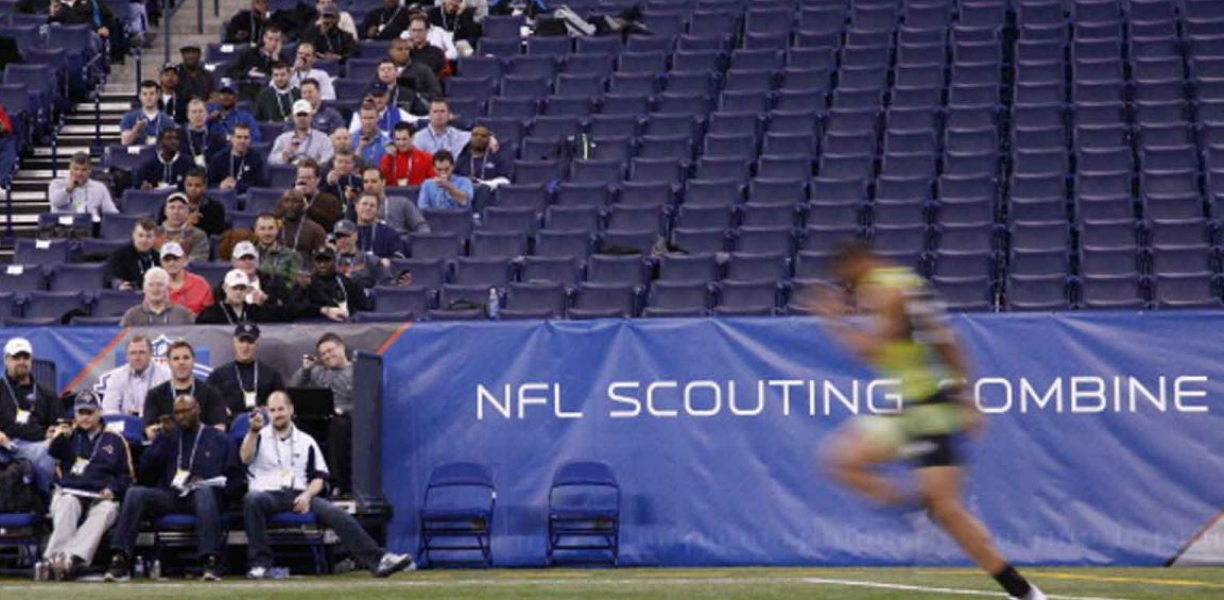
Dr Sam Maniar writes an exclusive blog for Optimize Mind Performance ahead of next month’s NFL Scouting Combine.
During the first week of March, I will be attending my 8th NFL Scouting Combine. I serve as a consultant to an NFL team that hires me to assess prospective players’ risk on and off the field.
In total, 319 professional (American) football hopefuls will head to Indianapolis, Indiana to attend the 2023 Combine. Millions of dollars in future contracts will literally be made or lost based on performance in drills, answers to interview questions, and even body measurements.
It’s no understatement to say that it will be the most important few days in these prospects’ football careers.
It also goes without saying that in order to perform well, athletes will need to manage their emotions and handle the immense pressure and scrutiny they will face.
But what are some ways these athletes, or any athlete, can overcome pressure?
Strategies for Managing Pressure
One of the biggest mistakes I see athletes make is practicing under ideal or near-perfect conditions. If you want to learn to perform under pressure, you have to practice under pressure. Making a free throw in an empty gym is one thing, but learning to slow your heart rate and block out the crowd noise in order to make a free throw is much more challenging. It’s for the same reason that many golfers do great on the driving range and then their swing falls apart on the golf course. So, in order to add pressure to your training, make sure you practice with distractions. You might even consider implementing consequences for not performing well, such as burpees or push-ups.
Another strategy that can help is to learn to regulate your breathing. When we are experiencing a perceived threat, our sympathetic nervous system (SNS) kicks into overdrive. This is commonly referred to as the “fight or flight” reaction. In order to ready our bodies to fight or run, the SNS tries to get as much oxygen to our muscles. The way it does this is by speeding up our heartbeat in order to pump more oxygenated blood throughout our bodies. Here’s the problem, though: it’s difficult to perform a skill with a rapid heart rate. So, one of the best and easiest ways to calm ourselves down is to slow down our breathing, which will in turn slow down our heart rate.
I have also found that athletes feel more pressure when they are focusing on things outside of their control, such as statistics, wins/losses, playing time, etc. You must learn to control the controllables. While it is a major sports cliché, it is also true. When you feel pressure, try to redirect your focus on things that are in your control.
Do You Struggle with Pressure?
If you’d like more help on handling pressure, check out the many suggestions and tips from top sport psychologists in the Optimize Mind Performance app. It’s like having your own mindset coach on your phone! The app can be downloaded from the App Store or Google Play.