Author: Ryan Miller

  • Exploring the Mindset of Lois Boisson: The Ultimate Underdog

    Exploring the Mindset of Lois Boisson: The Ultimate Underdog

    Author – Vedika Jogani

    Vedika Jogani is OMP’s Product and Content Manager

    Loïs Boisson has emerged as the story of the French Open – a wildcard entry, ranked outside the top 100, now entering the semifinals of the tournament.

    Ranked 361st in the world, she’s the lowest-ranked woman to reach a Grand Slam semifinal since the 2017 US Open.

    And just last year? She was recovering from an ACL injury.

    Boisson didn’t begin her comeback until February.

    Arriving in Paris as a 500-to-1 underdog, no one expected her to make this kind of run – except maybe Boisson herself.

    At just 22 years old, she’s taken down two top-10 players, fought off match points, and kept her composure playing in front of a home crowd on the biggest stage of her life.

    What kind of mindset does it take to do this?

    Facing higher-ranked opponents in your home country’s Grand Slam is no small task.

    For a young player with a wildcard entry, the mental side of the game becomes just as important as physical preparation.

    Watching Boisson’s performances gives us great insights into the mental side of her game:

    1. Staying Present and Positive

    Boisson didn’t get overwhelmed by the moment.

    She played with grit, calm, and belief – especially when the pressure mounted.

    Her ability to stay grounded and focused on the task in front of her, one point at a time, was key.

    2. Using Visual Reminders

    Boisson carries a powerful visual cue – a tattoo on her right elbow that reads “resilience.”

    It’s a reminder of everything she’s overcome: a long rehab, an ACL injury, and months away from the sport.

    That single word captures her journey – and reinforces the strength she brings into every match.

    3. Managing Expectations One Match at a Time

    The stakes are high, but Boisson has managed to stay locked into the moment.

    No talk of titles, rankings, or what-if scenarios – just playing the match in front of her.

    That mindset of “one day, one match at a time” kept her steady and fearless.

    Boisson’s run at Roland Garros is a powerful reminder to all athletes that rankings don’t define outcomes – it’s how you show up on the day and manage your mindset that puts you on the biggest stage.

  • Preparing for Life After Sport

    Preparing for Life After Sport

    Author – Vedika Jogani

    Vedika Jogani is OMP’s Product and Content Manager

    For many athletes, retirement doesn’t come with celebrations, confetti, or a standing ovation.

    Instead, it often feels isolating – marked by quiet moments of confusion, loss of purpose, and a deep identity shift.

    When your life has been centered around sport for years – from your routine to your relationships it’s no surprise that when that chapter ends, you’re left wondering: Now what?

    Australian Olympic gold medalist Brianna Throssell recently opened up about her experience after stepping away from swimming.

    Despite having a university degree and years of high-level achievement, she found herself jobless, lost, and disheartened.

    Her story isn’t unique – it’s the reality for far too many athletes whose struggles go unheard and unspoken.

    Sport Isn’t Forever, So What Comes Next?

    Every athlete eventually faces the same truth: sport doesn’t last forever.

    Your body changes.

    Your priorities shift.

    And when the title of “swimmer,” “striker,” or “captain” no longer applies, you’re left asking: Who am I without it?

    Know Your Values, Know Yourself

    At the heart of every person – is a set of values.

    These are the things that give your life meaning: growth, connection, freedom, competition, creativity.

    These values may have drawn you to sport in the first place, but they aren’t limited to the playing field.

    As you prepare for life beyond sport, ask yourself:

    • What gives me purpose outside of competition?
    • What interests or roles bring me joy?
    • Where do I feel most like myself?

    Understanding your values now can help you make smoother transitions later.

    When your identity is rooted in what matters to you, rather than just what you do, you’ll feel more grounded, both during and after your athletic career.

    The Skills You Take With You

    Athletes often underestimate how powerful their lived experience really is.

    Being an athlete teaches you skills that most employers dream of:

    • Performing under pressure
    • Resilience and bouncing back from mistakes
    • Time management and discipline
    • Teamwork and communication
    • Goal setting and performance tracking
    • Adaptability and fast decision-making

    You’ve problem-solved on the fly, communicated with all kinds of personalities, led teams, and balanced competing priorities often under extreme pressure.

    The challenge isn’t that these skills don’t exist. It’s that they’re not always recognised in traditional job pathways.

    As Throssell shared, “I have all of these transferrable skills that I would love to showcase in a workplace, but no one would give me a look in.”

    What Can You Do Now?

    If you’re still competing, or even just starting to think about life after sport, here are four ways you can prepare:

    1. Don’t Wait for Sport to End Work with your sport psych or mental performance coach to regularly check in on your values. Make sure you’re living in line with them – even while you’re still playing.
    2. Explore Hobbies Outside of Sport Try music, writing, volunteering – anything that brings you joy outside of competition. This helps keep your identity well-rounded.
    3. Check in With Your Values Revisit what matters to you, beyond results and rankings. Let those values guide your next steps.
    4. Start Building Experience Internships, part-time jobs, volunteering, or shadowing professionals — even small experiences can build confidence and clarity about life after sport.

    Final Thoughts

    Brianna Throssell’s story is a powerful reminder that life after sport doesn’t just happen.

    It needs preparation – mentally, emotionally, and practically.

    The truth is, your identity is so much more than your athletic achievements.

    You’re not just an athlete – you’re a leader, a learner, a creator, a teammate, a communicator.

    Sport has shaped you, but it doesn’t define all of you.

    And when the final whistle blows, your values and transferable skills are what will help you step confidently into what’s next.

  • Soto & Travel Ball Players Experience the Same Pressures

    Soto & Travel Ball Players Experience the Same Pressures

    Author – Geoff Miller

    Geoff Miller is a highly regarded expert in baseball psychology. Geoff spent nearly two decades in MLB, with the Pittsburgh Pirates, Washington Nationals, Atlanta Braves, Los Angeles Angels, and Philadelphia Phillies.

    An AASP Certified Mental Performance Coach (CMPC), Geoff holds a Masters Degree in Sports Psychology and currently provides mental skills coaching to professional and amateur athletes, corporate coaching to executives and business teams, and coaching for retiring athletes transitioning into post-playing careers.

    Imagine you are a baseball player from the Dominican Republic, and you’ve just signed a contract for more money than you have ever dreamed of, but now you feel so much pressure to live up to that contract that you are a shell of your normal self in the batter’s box.

    You feel lost at the plate, you don’t feel comfortable in your surroundings, and you sometimes get so in your own head that you make mistakes on simple plays. 

    You may be thinking that this sounds like Juan Soto of the New York Mets, but what you may not know is that this happens often when 16-year-old Latin American prospects sign their first professional contracts.

    And it could just as easily happen to any young athlete playing travel ball today. 

    Juan Soto is a potential Hall of Fame hitter, certainly one of the biggest stars in MLB today.

    He’s always handled pressure well; from the time he was a teenage rookie to the biggest moments in playoff races and games.

    So why is he now struggling to produce in his first six weeks with the Mets?

    Hitting a baseball is hard enough when you’re simply focusing on competing with the pitcher, seeing the ball well, and reacting when you see a good pitch.

    It becomes impossible when your attention is divided.

    The first approach I take with professional ballplayers who are putting too much pressure on themselves is to help them get back to valuing the important processes that make them successful and to separate their performance from the expectations they have to deliver value for what they have been paid.

    That need to provide value creates internal thoughts that make it harder to focus on seeing the baseball or can impact decision-making and show up on film as being late to start your swing.

    Your focus must be 100% on seeing the baseball.

    Any additional thought, even before stepping up to the plate, can change the way you focus. 

    But you don’t have to be Juan Soto and you don’t have to have signed a $700M contract to feel this same pressure.

    I see high school athletes in many sports who are highly aware that their parents have spent thousands on travel, fees, and equipment, sacrificed vacations and weekends for tournaments and showcases.

    These parents don’t expect a return on their investments, they just want the best for their children.

    But the children feel the same pressure as a high-priced free agent to deliver on the good fortune they have been given. 

    So, my advice to Juan Soto and to any travel ball athlete is the same…focus on what matters to go play your game.

    Measure your success on how well you’re competing in those moments. 

    You can listen to more of Geoff Miller’s thoughts on needing to perform to deliver value in his short, “The Hidden Pressure of Travel Ball” in the Optimize Mind Performance app. 

  • The Role of Mental Performance Training in Elevating Tennis Performance

    The Role of Mental Performance Training in Elevating Tennis Performance

    Author – Dr. Tess M. Kilwein

    Dr Tess M.Kilwein, is a Clinical Sport Psychologist and Certified Mental Performance Consultant who works with elite athletes of all ages, identities, and levels of competition, from youth to college to professional sports. 

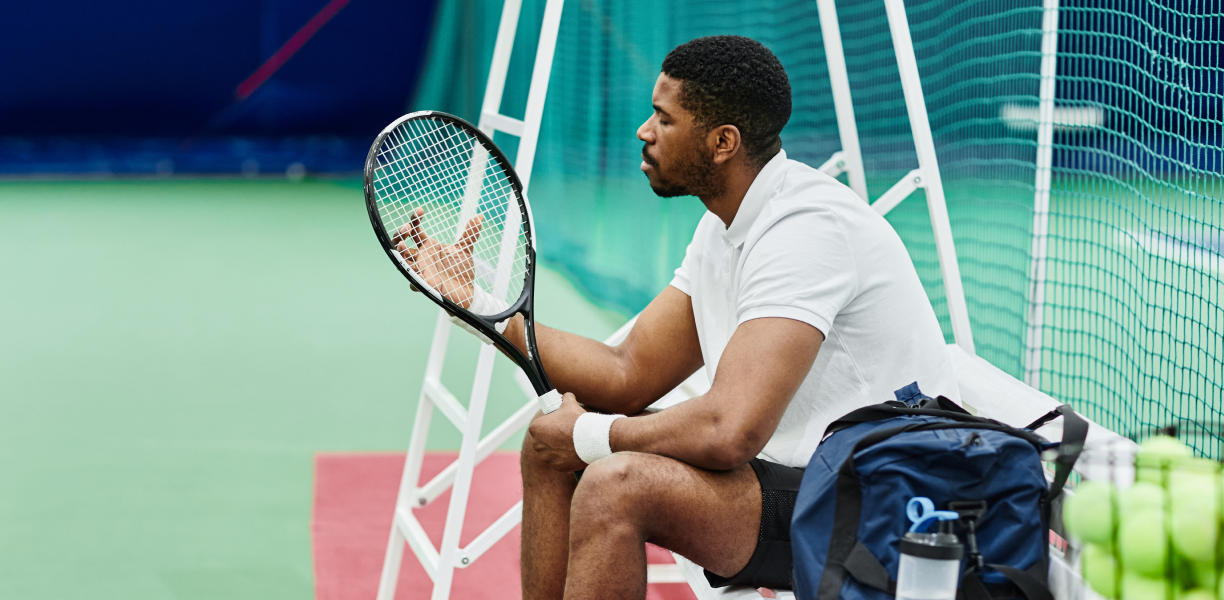
    Tennis is often described as a battle of mental fortitude as much as a test of technical skills.

    The sport’s one-on-one format (or tight-knit doubles play) can place an immense amount of psychological pressure on athletes, making mental performance training a non-negotiable aspect of peak performance.

    As tennis players seek every possible edge in a game where a single point can shift momentum, the role of mental performance training has never been more important.

    The Rise of Mental Performance Training in Tennis

    Over the past two decades, mental performance training has become a staple in the routines of top tennis professionals.

    Elite tennis player Rafael Nadal, known for his unmatched mental toughness, consistently employs a pre-match routine of precise movements like adjusting his headband, bouncing the ball a certain number of times, and positioning his water bottles meticulously.

    MORE OMP BLOGS ON TENNIS:
    Tennis – A Psychological Battlefield

    From pre-match visualization to in-game emotional regulation, elite players now recognize that their mindset is just as critical as their backhand.

    The ability to stay composed, adapt under pressure, and reset after mistakes often separates elite athletes from the rest of the playing field.

    Tailoring Mental Performance Plans to the Individual

    Unlike team sports, where collective energy and strategy play a significant role, tennis requires a unique level of self-regulation, sustained focus, and personal resilience.

    Mental performance training plans are most effective when tailored to each athlete’s needs—whether it’s strengthening concentration during long rallies, managing emotions after unforced errors, or developing confidence in high-stakes tiebreaks.

    View this post on Instagram

    A post shared by Optimize Mind Performance (@optimizemp)

    Custom strategies such as mindfulness techniques, breathing exercises, and match-specific mental routines can make a measurable difference in performance of tennis players.

    By consistently integrating mental performance training into sports performance routines, tennis players can gain the necessary tools to handle adversity, maintain peak focus, and maximize their competitive edge.


    Learn new mental skills for Tennis by listening to Dr. Tess M. Kilwein’s course The Mental Performance Playbook for Tennis Players in the OMP App now.

  • Study Sheds Light on Stressors in Professional Sport

    Study Sheds Light on Stressors in Professional Sport

    Stress is an inevitable part of elite sport.

    A recent qualitative study in Australia sought to better understand the lived experiences of professional Rugby League athletes, through semi-structured interviews with 12 male and female players who play in the professional competition, National Rugby League.

    The findings shed light on a wide spectrum of stressors that go beyond the playing field categorized into competitive, personal, and organizational stressors, and the ways these pressures interact to impact athlete well-being, performance, and identity.

    The results of the study found that athletes emphasized how stressors are often interconnected rather than isolated – with one area, like team culture, influencing others, such as performance confidence or mental health.

    Competitive stressors included the emotional toll of recurring losses, injury, and team selection – experiences that athletes viewed as threats to their identity and belonging.

    Organizational stressors were described as particularly pervasive, with coaching styles, leadership dynamics, public scrutiny, and systemic barriers shaping the entire athlete journey.

    In the NRLW, these challenges were magnified by gendered expectations, limited resources, and pressures to pioneer a still-developing competition.

    Mental health concerns were common across interviews.

    Players reported increased anxiety, depressive symptoms, sleep disturbance, and even burnout.

    A key theme was the ingrained culture of toughness within rugby league, which often discouraged vulnerability and made it harder for athletes to seek help or express distress.

    Some viewed existing well-being initiatives as token gestures, lacking the authenticity and depth needed to truly support athletes.

    Coaching style also played a critical role – while direct, constructive feedback helped players feel valued, authoritarian approaches were linked to insecurity and emotional exhaustion.

    The study calls attention to broader organizational influences – including high-level management decisions, job insecurity, and media scrutiny – which impact how stress is felt and managed by both coaches and players.

    It highlights the need for integrated solutions that strengthen communication, psychological safety, and mutual understanding within teams.

    In addition to organizational pressures, personal stressors deeply affected players, especially in how their identities were tied to their roles as athletes.

    For many, Rugby League was not just a job- it was life.

    This mindset came with sacrifices in family life, career planning, and emotional boundaries.

    Female athletes, in particular, discussed the tension between personal goals like motherhood and the physical and societal demands of the sport.

    Rather than viewing these stressors in isolation, this research reinforces that elite athletes exist within a dynamic web of personal, interpersonal, and structural influences.

    Left unaddressed, these factors can accumulate and lead to chronic stress, mental health issues, and reduced performance.

    Small, intentional changes – like inclusive coaching styles, clear communication, or better recovery resources – can act as protective factors that reduce stress and strengthen resilience.

    For sport organizations, coaches, and mental performance professionals, this study is a clear reminder that supporting elite athletes requires more than physical preparation.

  • ‘It’s There Because I Care’: AFL Star Speaks About Ongoing Struggle with Pre-Performance Anxiety

    ‘It’s There Because I Care’: AFL Star Speaks About Ongoing Struggle with Pre-Performance Anxiety

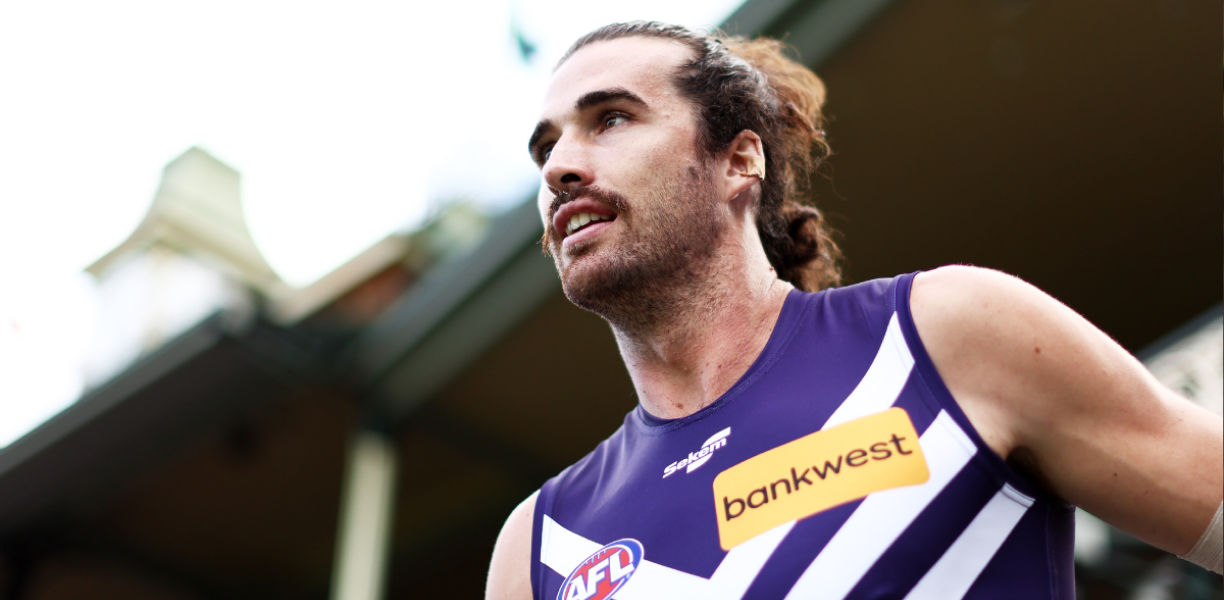
    Alex Pearce is one of the Australian Football League’s top defenders.

    A role which requires discipline, focus and physical toughness as they try to stop their opponents from scoring.

    On top of that he is also the captain of the Fremantle Dockers’, a club which hails from a city that has a rich and passionate history with Football but are yet to win an AFL Premiership.

    Speaking on Channel 7’s program Unfiltered, the 29-year-old spoke openly about his constant battle with pre-game anxiety, depression that stemmed from persistent injury setbacks and handling the pressure to perform. “It’s pretty deep anxiety around my own performance and having high expectations,” he said.

    “Am I going to play a good game, am I going to be able to play in a way that helps the team win? How are we going to perform as a team? Did we focus too much on one thing during the week, did we not focus on this? Did I not lead well?

    “I think it’s really important for all elite athletes to have this sense of confidence, and assurity, I think you can only get to that top level if you’re confident in your own abilities, and I am deeply confident in my own abilities, but I always question myself just to make sure.

    “I think it’s something that has served me well in my sporting career, but it has also crippled me at times. “I’ve worked with my psychologist about this around not having these super high standards.”

    While Pearce still grapples with intense feelings of pre-game anxiety, he knew he needed to seek help when he started to think about avoiding games – something that was at great odds with his intense desire to compete and win.

    Part of his ongoing work with his sports psychologist has been around acknowledging and accepting these thoughts and feelings.

    “It’s there because I really care. If I didn’t care about the game and if we won or lost, or if I performed then I’d have nothing to worry about,” he said.

    “I wouldn’t be worried about hurting myself because I wouldn’t try that hard. If we lost then oh well, but because I care so deeply that’s where it comes from.

    “If I can understand that link, then it’s like well that’s the price of entry to walk out onto that field and achieve these great things that I want to achieve.

    “You can’t control your feelings all the time. The only way to do that is to change how much it means to me and that’s not happening.”

    Part of Pearce’s anxiety has also stemmed from the fear of the physical pain that the game can bring.

    His battle with injury is well documented.

    Early in his career the 201cm defender broke his leg twice, suffered a broken ankle, injured his knee and most recently missed half of last season after fracturing his arm.

    The injuries at the start of his career and saw him question if he wanted to continue playing.

    “I struggled with some depression,” he said.

    “I think through that period I started to learn a more about myself and that I’m interested in other things.”

    Exploring his identity and stepping back from the sport when he is not training or playing has been a pressure release for Pearce.

    During the interview Pearce spoke about being a young player and watching as many games and talk shows reviewing the games as possible.

    Shutting out that noise and focusing on his interests off the field has helped to narrow his focus on it.

    “It wasn’t bringing me any joy or happiness and I was like I just don’t need it,” he said.

    “If you know too much, you’re not really focusing on what’s really important.

    “What’s really important might just be the way the team plays, a few big-ticket items and then what I really need to do for my role.”

    Pearce’s insightful and vulnerable conversation has again highlighted the need for athletes to focus on their mental game.

    Engaging with a sport psychologist and learning mental skills to cope with the rigors of sport is crucial for success and enjoyment in sport and in life.

  • Tough Teams Manage Emotions Together

    Tough Teams Manage Emotions Together

    In sport, emotions are everything.

    They influence how athletes think, move, perform, and connect with others.

    Emotions aren’t just internal — they’re contagious.

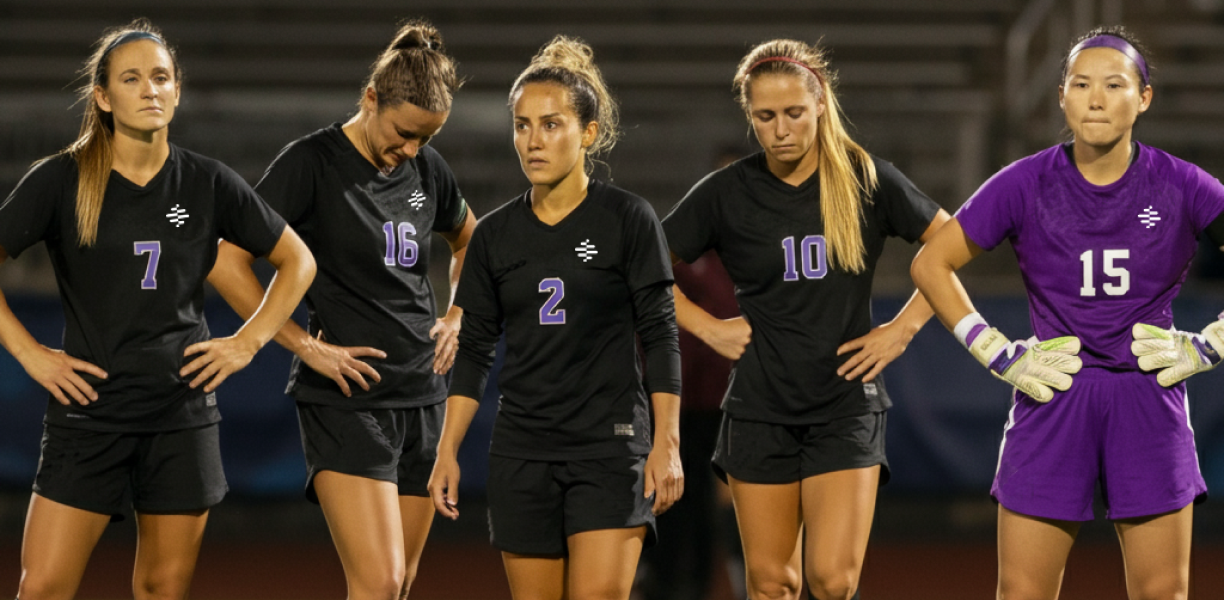
    When frustration, anxiety, or guilt takes hold, those feelings can ripple through a team, triggering what’s known as team collapse.

    A single athlete’s body language or tone can unknowingly spark a domino effect, dragging everyone into underperformance.

    But emotion doesn’t just lead to collapse — it can also drive recovery.

    What matters is how athletes regulate what they feel.

    Research shows that effective emotional regulation strategies — like self-compassion, perspective-taking, and staying grounded — help athletes perform better, bounce back faster, and support their teammates.

    On the flip side, unhelpful strategies like suppression, blaming, or emotional withdrawal not only fail to improve performance, but often deepen emotional fatigue and fracture team trust.

    A 2024 study by Wergin and colleagues explored how 69 athletes experienced and regulated emotions during both team collapse and performance recovery.

    During collapse moments, athletes reported feeling overwhelmed and unsure of how to respond.

    Many suppressed their emotions or encouraged teammates to do the same, leading to increased frustration, disconnection, and emotional burnout.

    Some simply avoided helping, often because they didn’t know how.

    In contrast, during performance recovery, athletes leaned on more constructive strategies.

    They reframed mistakes, showed self-compassion, and supported teammates through calm communication, humor, and positive reinforcement.

    These behaviors helped the team refocus, ease tension, and rebuild energy.

    The main takeaway is that emotional regulation isn’t just an individual skill — it’s a team one.

    The way teammates respond to each other in high-pressure moments can either deepen the spiral or spark a turnaround.

    Teams that are taught how to regulate emotions together are more resilient, more connected, and better prepared to handle adversity.

    For coaches and practitioners, this means embedding emotional regulation training into the culture of sport — not as a one-off tool, but as a consistent team habit.

    Because in the moments that matter most, how your team feels could determine how they finish.

  • Study Finds Non-Specific Goals Can Be Beneficial

    Study Finds Non-Specific Goals Can Be Beneficial

    Goal setting is one of the most widely used psychological skills that practitioners incorporate with athletes.

    Techniques like SMART goals (Specific, Measurable, Achievable, Relevant, and Time-bound) have been especially popular and have shown clear benefits for improving performance and motivation.

    However, much less research has explored the use of non-specific goals — goals that are intentionally broad or flexible.

    Recently, a study by Williamson et al. (2024) took a closer look at this topic, using semi-structured interviews with practitioners to better understand how non-specific goals are used in practice and what effects they might have.

    The findings were fascinating.

    Non-specific goals were found to offer several unique benefits, including:

    • Reducing maladaptive psychological responses (like fear of failure or overthinking)
    • Increasing positive psychological responses (such as enjoyment and confidence)
    • Facilitating personal growth
    • Promoting flexibility and freedom in performance

    Two types of non-specific goals stood out in the study:

    • Open goals, like “see what you can do”
    • Range goals, like “run between 40–50 minutes”

    Both types offered different advantages.

    Open goals tended to foster greater enjoyment and freedom by focusing less on outcomes and more on the experience itself.

    Range goals provided a steady source of motivation and helped alleviate perfectionistic tendencies, allowing athletes to feel successful across a range of outcomes rather than only hitting a narrow target.

    Why Non-Specific Goals Matter

    Overall, non-specific goals can relieve pressure, encourage personal growth, and help athletes move away from maladaptive thinking patterns.

    They create a more flexible, athlete-centered approach to goal setting — offering another powerful tool for practitioners who want to support both performance and well-being.

    While specific goals absolutely have their place, this research shows that non-specific goals deserve more attention, especially when working with athletes who struggle with perfectionism, anxiety, or burnout.

  • NCAA DI Roster Caps Bring Uncertainty and Pressure for Athletes

    NCAA DI Roster Caps Bring Uncertainty and Pressure for Athletes

    If the pressure on college student-athletes wasn’t enough, it’s about to be turned up to 11 with the NCAA’s changes to roster limits coming for 2025-26 school year.

    As we’ve previously discussed, student athletes from Division I already face extremes amount of pressure thanks to social media and NIL deals.

    Now their performances will be scrutinized more than ever with coaches having to make tough decisions on not just who plays but who stays.

    In case you’ve missed it, here’s what’s changing:

    • Scholarship caps have been removed for DI schools, eliminating previous sport-specific caps. This means that schools have more flexibility when it comes to financially supporting athletes by being able to offer more scholarships.
    • Roster limits are being introduced however, meaning that while schools can have more athletes on scholarships, they cannot allow for any non-scholarship athletes. For example, basketball scholarships have risen from 12 to 15 but any walk ons or athletes paying their own way won’t be permitted to play in DI competitions.

    This may sound like a good thing – more scholarships means that potentially more athletes are getting a full-ride education.

    However, the flow on effect is massive.

    Due to these hard roster caps, athletes may be forced to move schools and Divisions in order to get game time.

    This means more competition for places within all programs across all divisions.

    More competition means more pressure.

    The changes also create uncertainty for athletes.

    An athlete can have their scholarship removed due to their athletic performance, with their coach choosing to not renew their scholarship as they are about to recruit the next high school star and need to make room.

    All of this external noise and pressure can lead to poor concentration, anxiety, low confidence and a greater fear of failure.

    Athletes who experience even one of these are unlikely to perform at their peak.

    As a result, it is more important than ever for student-athletes to have access to resources that can help them navigate these changes and cope with the pressure that comes with it.

    If you want to know how OMP can be one of these resources, reach out and book a discovery call.

  • Setting Pre-Competition Goals

    Setting Pre-Competition Goals

    The MLB season his here which means high expectations from fans and players alike.

    A great way for athletes of all sports to control some of these expectations and pressures is to set controllable and realistic goals.

    One of the more reliable techniques is to set three types of goals – Outcome, Performance and Process goals.

    Research shows that by setting these three types of goals impacts an athletes motivation, confidence and resilience.

    These goals should be set out in the following order:

    1 – Outcome Goals

    Think of this as your ultimate goal, the one goal that you want to achieve.

    This also needs to be a realistic goal.

    Sticking with baseball as an example, sure a batter may want to hit .325 (for non-baseball fans that’s considered elite) but that may not be realistic and places greater pressure upon them.

    Constantly failing to reach a goal like this will only dent motivation and confidence.

    A more realistic goal to aim for would be to have a bat average of .260. Achievable, but also something that is able to be exceeded.

    2 – Performance Goals

    These goals are benchmarks you set for yourself within each match to try and achieve your outcome goal.

    So, for this instance, if you want to achieve a goal of a batting average of .260, you’ll need to aim to get a hit at least once per-game.

    This may be easier said than done – you’ll be tested within games so you’ll need additional mental skills to ensure you stay confident, focused and motivated when you may be struggling to get a hit!

    3 – Proces Goals

    These are the specific actions and habits you focus on to help achieve your performance goals. For example, if your performance goal is to get one hit per game, your process goals might include:

      • Getting 8 hours of sleep to ensure you’re physically and mentally ready
      • Setting clear objectives for practice, like working on pitch recognition or improving swing mechanics
      • Sticking to a pre-at-bat routine to stay focused and confident By focusing on these controllable actions, you set yourself up for success without getting caught up in external pressures.

      Setting goals isn’t just about aiming high—it’s about creating a structured plan to get there.

      By breaking your goals into Outcome, Performance, and Process goals, you take control of your progress, stay motivated, and build confidence along the way.