Author: Ryan Miller

  • OMP Partner with Strong Girls United Foundation

    OMP Partner with Strong Girls United Foundation

    Strong Girls United (SGU), a nonprofit dedicated to empowering girls through sports, mentorship, and mental health programming, has partnered with Optimize Mind Performance.

    Through OMP’s innovative platform, college athlete mentors, high school student-athletes, and coaches who are part of the SGU programs will now have greater access to mental performance resources to help them build confidence, resilience, and long-term well-being.

    “As someone who works closely with athletes at all levels, I strongly believe in equipping college athlete mentors and coaches with tools to support their own mental performance while they give their time to the next generation,” said Lani Silversides, Founder and Executive Director at SGU.

    “We often hear that our college mentors get just as much—if not more—out of teaching and mentoring as the young girls they work with.

    “This partnership with Optimize Mind Performance ensures that they, too, have the support they need to thrive.”

    Learn more about SGU

  • The Pressures Created by NIL

    The Pressures Created by NIL

    College athletes feel great pressure and experience the fear of failure as their performances are watched by thousands in the stands and millions at home.

    Those feelings have, unfortunately, been compounded by Name Image Likeness (NIL) deals.

    An athlete’s image and thus income is on the line if they deliver a poor performance.

    With many NIL deals also heavily based on an athlete’s social media following, there are now more external distractions and pressures on athletes than ever before.

    In days gone by, it was easy for athletes to shut out external noise, but with there being a requirement to be on social media and make media appearances, this has become harder than ever.

    It’s also easy to forget that these athletes also have to juggle full-time study and a high-performance training schedule.

    Here are some mental skills that athletes can use to overcome these pressures:

    Remember Your ‘Why’

    The pressure to perform for sponsorships, social media engagement, and external validation can pull athletes away from what truly drives them.

    While external motivators like NIL deals can provide short-term incentives, they are unpredictable and can lead to burnout if they become the primary focus.

    Instead, reconnect with your intrinsic motivation—the love for the game, the challenge, the personal growth.

    Reflect on why you started playing in the first place. When external pressures build up, remembering your ‘why’ can bring clarity and long-term resilience.

    Effective Goal Setting

    Without clear goals, it’s easy to feel overwhelmed by the many demands placed on college athletes.

    Setting specific, achievable goals in three key areas—process, performance, and outcome—can provide direction and motivation:

    • Process goals focus on daily habits (e.g., improving footwork, committing to recovery routines).
    • Performance goals track personal growth (e.g., increasing shooting percentage, improving mile time).
    • Outcome goals set bigger-picture aspirations (e.g., making an all-conference team, securing an NIL deal). By breaking goals into smaller steps, athletes can stay motivated, measure progress, and maintain a sense of control over their performance.

    Stay Present and Manage Distractions

    With the constant noise of social media, comparisons, and external expectations, staying present is one of the biggest challenges for modern athletes.

    Instead of getting caught up in likes, comments, or the pressure to maintain a personal brand, develop strategies to focus on the present moment.

    Techniques like mindfulness, grounding exercises, and journaling can help athletes regain control over their thoughts and emotions.


    OMP can assist sport psychologists and mental performance coaches in serving programs to athletes who experience the stressors associated with NIL.

  • Preparing for the Madness

    Preparing for the Madness

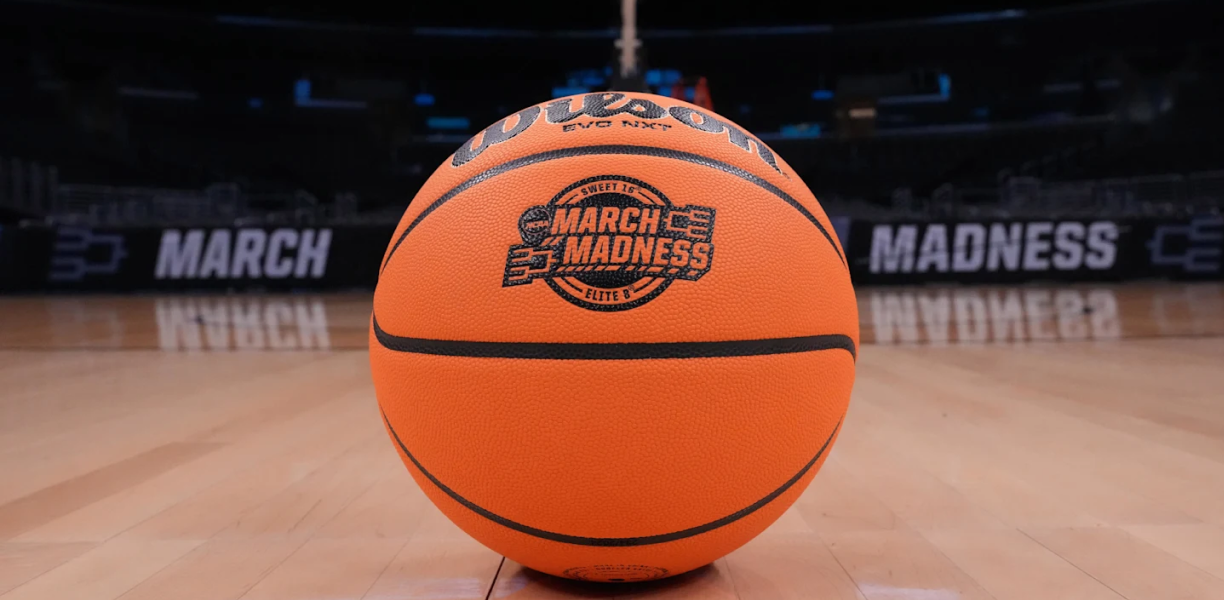
    One of basketball’s most exciting and enthralling spectacles starts on Tuesday, as the best NCAA Division I teams go head-to-head in the iconic March Madness tournament.

    For some players, this could be the last time they step onto the court at the collegiate level, making every moment even more meaningful.

    Playing on such a big stage comes with immense pressure—expectations from coaches, teammates, fans, and even personal aspirations.

    The noise from media and on social platforms can add to the weight of the moment, making it crucial for athletes to stay mentally sharp.

    So, how can players handle this stress and ensure that years of preparation lead to peak performance?

    Remember Their Why

    In the whirlwind of March Madness, it’s easy to get caught up in the external noise—media hype, social media debates, and outside expectations.

    Players need to reflect on the passion and purpose that brought them to start playing basketball in the first place.

    Whether it was for love for the game, competition, or representing their school – reconnecting with their “why” can help players to stay grounded and focused.

    Trust Their Teammates

    Basketball is not an individual sport, and March Madness is not won alone.

    Players need to rely on the chemistry built throughout the season.

    Knowing that each player has a role and that they’re not alone can ease pressure and allow them to play freely.

    Visualize Success

    The mind is a powerful tool, and visualization can help set the stage for success.

    Picture yourself making big plays—successfully making a free throw, executing the perfect pass, or playing lockdown defense.

    Visualization primes the brain to perform under pressure, reinforcing confidence in abilities when the moment arrives.

    Use Film to Review Past Successes

    Watching past performances where a player excelled can reinforce self-belief. If they’ve done it before, they have the ability to do it again.

    Breaking down their best games and focusing on what worked— their movements, decision-making, and execution serve as reminders that they are more than capable of delivering when it matters most.

    Meditation & Mindfulness

    Staying calm under pressure is essential in high-stakes games.

    Meditation and mindfulness techniques can help keep players grounded, allowing them to control nerves and stay present in the moment.

    Deep breathing exercises, body scans, or simple moments of stillness before a game can enhance focus, reduce stress, and boost confidence.

    Have Fun

    With all the pressure, it’s easy to forget that basketball is still a game.

    Players should enjoy the experience, trust the work they’ve put in, and embrace the moment.

    The biggest performances often come when athletes play with joy, confidence, and a love for the game.

  • Sharks NRLW Team to Use OMP

    Sharks NRLW Team to Use OMP

    The Cronulla-Sutherland Sharks’ NRL Women’s team now has a mental skills training resource thanks to a partnership with Optimize Mind Performance.

    The Sharks’ Men’s team have been using the OMP platform to great success over the past 12 months and now the women’s team will get the same opportunity to work on the mental side of their game.

    While OMP has been used across female and male sports within US Colleges, the Sharks are the first professional women’s sporting organization to use the platform.

    Cronulla will enter the 2025 NRLW season facing lofty expectations having lost the 2024 Grand Final by just four points to the Sydney Roosters.

    Sharks NRLW Head Coach Tony Herman said they are delighted to partner with OMP.

    “We understand how important the mental side of the game is and having seen the impact OMP had on the men’s team program last year, it was a no-brainer for us to also use the platform,” he said.

    OMP CEO Jack Preddey: “We are delighted to extend our partnership with Cronulla to their women’s team in 2025.

    “They came so close to achieving the ultimate goal last season and we hope that through our programs we can help them get an edge over the opposition which will allow them to go one step further this year.”

  • Colby College Joins OMP’s Growing Stable of Partners

    Colby College Joins OMP’s Growing Stable of Partners

    Colby College (Waterville, Maine) has become the latest in a growing list of organizations to partner with Optimize Mind Performance.

    The Mules have been at the forefront when it comes to prioritizing the physical and mental wellness of their athletes, becoming the first NCAA Division III to implement a Peak Performance program.

    This program consists of Mental Performance, Sports Medicine, Strength and Conditioning, Sport Nutrition, and Sport Science.

    Initially starting with a mental performance consultant in 2019, Colby College was the first New England Small College Athletic Conference (NESCAC) school to bring in a full-time mental performance coach in the spring of 2024.

    “Beaux Myers is crucial in our mission to optimize student athlete health and performance, but his time is so precious,” said Director of Peak Performance, Dr. Anne Beethe.

    “Bringing in OMP was an easy sell to help our student athletes train from the palm of their hands.

    “Not only will these skills help their athletic and academic performance, but it will also serve them in their future careers.”

    Student-Athletes and coaches from Colby’s 32 varsity teams will use OMP’s game-changing platform to gain a mental edge over their opponents.

    OMP CEO Jack Preddey said: “We’re delighted to welcome Colby Athletics to our stable of partners.”

    “Their status as a Division III school shows that our platform can benefit organizations of any size or stature.”

  • 5 Mental Skills for Swimmers

    5 Mental Skills for Swimmers

    Authors – Vedika Jogani

    Vedika Jogani is OMP’s Product and Content Manager who has a Master’s degree in Sports and Exercise Science, specializing in Mental Performance.

    Swimming is one of the most challenging sports both mentally and physically.

    During training and races swimmers are alone in the water and need to call upon a number of mental skills to maintain their focus, composure and motivation.

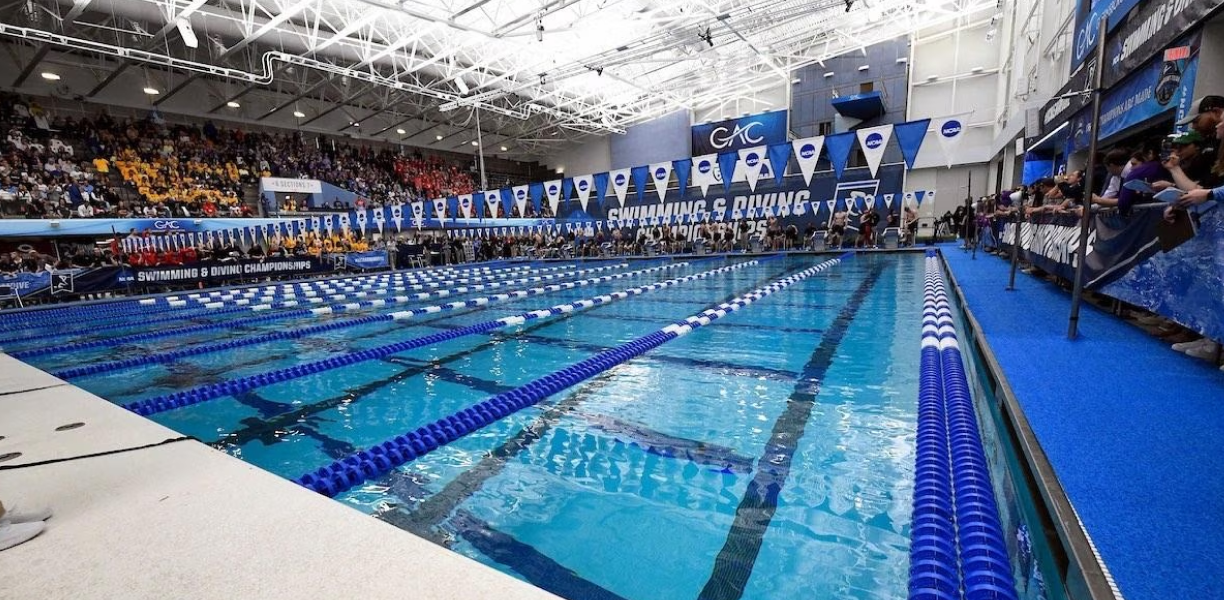
    Events like the NCAA Division I Swimming & Diving Championship in late March will test an athletes’ mental and physical endurance.

    Here are some key mental skills that swimmers can use to stay focused, composed, and ready to compete:

    1. Visualize Success

    Mental preparation doesn’t start the week of the championship—it begins long before.

    The best athletes use visualization throughout the season to prepare for big moments.

    Spend time mentally rehearsing your races, picturing yourself executing each part perfectly.

    Imagine the sights, sounds, and sensations of competition—stepping onto the blocks, feeling the water, and powering through your strokes.

    Olympic champion Michael Phelps famously used visualization to prepare for his races, saying in 2008:

    “For me, it was visualizing a race. It’s how I wanted it to go, how I didn’t want it to go, and how it could go.”

    By imagining different scenarios—including ideal performances and potential setbacks—you can train your mind to stay composed and ready for anything on race day.

    When you’ve already “seen” yourself succeed in your mind, executing under pressure becomes second nature.

    2. Use Focus Cues to Stay Dialed In

    Championship races require sharp mental focus, especially in longer events.

    Instead of thinking about the entire race at once, break it down into sections and use specific focus cues for each stage. For example:

    • The start: “Explosive and powerful” to remind yourself to push off strong.
    • The middle: “Smooth and controlled” to stay efficient in your stroke.
    • The finish: “Drive to the wall” to give everything you’ve got in the last stretch. By using targeted cues, you stay present and engaged rather than getting overwhelmed or distracted.

    3. Stick to Your Routines

    A championship meet can feel bigger and more intense than any other competition, but at the end of the day, it’s still just another race in the pool.

    The best way to manage nerves is to stick to the routines you’ve practiced all season.

    • Follow the same warm-up process.
    • Stick to your pre-race rituals.
    • Keep your nutrition, hydration, and sleep consistent. By treating the championships like any other meet, you reinforce confidence in your preparation and make the big stage feel more familiar.

    4. Stay in the Moment

    It’s easy to get caught up thinking about outcomes—medals, podium finishes, or qualifying times. But the best performances happen when you focus on the present moment.

    Practicing mindfulness can help you stay locked in and prevent distractions.

    A simple check-in before your race—taking a deep breath, feeling the water, and reminding yourself of your race plan—can bring your focus back to what matters: executing your performance.

    5. Prioritize Recovery

    A championship meet is intense, with multiple races over several days. Mental and physical recovery is just as important as your warm-up.

    • Progressive Muscle Relaxation (PMR) can help release tension and improve sleep.
    • Breathing exercises can regulate nerves and restore focus between races.
    • Visualization can reinforce confidence by mentally rehearsing your best race. Recovery isn’t just about what you do after a race—it’s an ongoing process that ensures you’re physically and mentally fresh for each event.

    By implementing these mental strategies, you’ll give yourself the best chance to perform at your peak when it counts.

    The training is done.

    Now it’s about trusting yourself, sticking to your plan, and racing with confidence.

  • Three Features that our Partners Love

    Three Features that our Partners Love

    Author – Ryan Miller

    Ryan Miller is OMP’s Head of Content and an award-winning content creator.

    When we talk to Sport Psychologists and Athletic Directors, three key features of our platform stand out.

    These three things are why NCAA Division I schools like Stanford and Duke have signed on to use our platform and better serve the mental side of their athlete’s performance.

    Maximize Reach

    Using our dashboard, sport psychologists can easily reach hundreds of athletes and coaches.

    OMP provides practitioners with the ability to reach athletes wherever they are and whatever the time.

    Through the app, athletes can also access OMP’s content library in addition to the content created by their sport psychologist, helping them to be better prepared to perform.

    Book Your Demo of Our Platform Now

    Proactive

    Gone are the days of waiting for an athlete to come to sport psychologists when it’s too late.

    By building programs that service key pillars of the mental game, like confidence, motivation, pressure and concentration, practitioners can stay ahead of the game.

    Interactive exercises and surveys provide unrivalled insights into the mindset of athletes while the data gathered from athlete listening habits can identify the areas of their mental game that need attention.

    Organized Approach

    OMP has been designed by sport psychologists with decades of experience in high performance sport, to make it organized and intuitive.

    Using push notifications, you can organize for athletes to be served with content and reminders so that they can learn a new mental skill or schedule for them to complete an exercise or survey before or after a performance.

    The ability to schedule notifications allows practitioners to seamlessly integrate them into an athlete’s busy schedule.

    Furthermore, athletes can be separated into sports, teams and groups, while content within the app can be scheduled to be released at a particular time.

  • How Crowd Noise Impacts Soccer Players

    How Crowd Noise Impacts Soccer Players

    Authors – Vedika Jogani

    Vedika Jogani is OMP’s Product and Content Manager who has a Master’s degree in Sports and Exercise Science, specializing in Mental Performance.

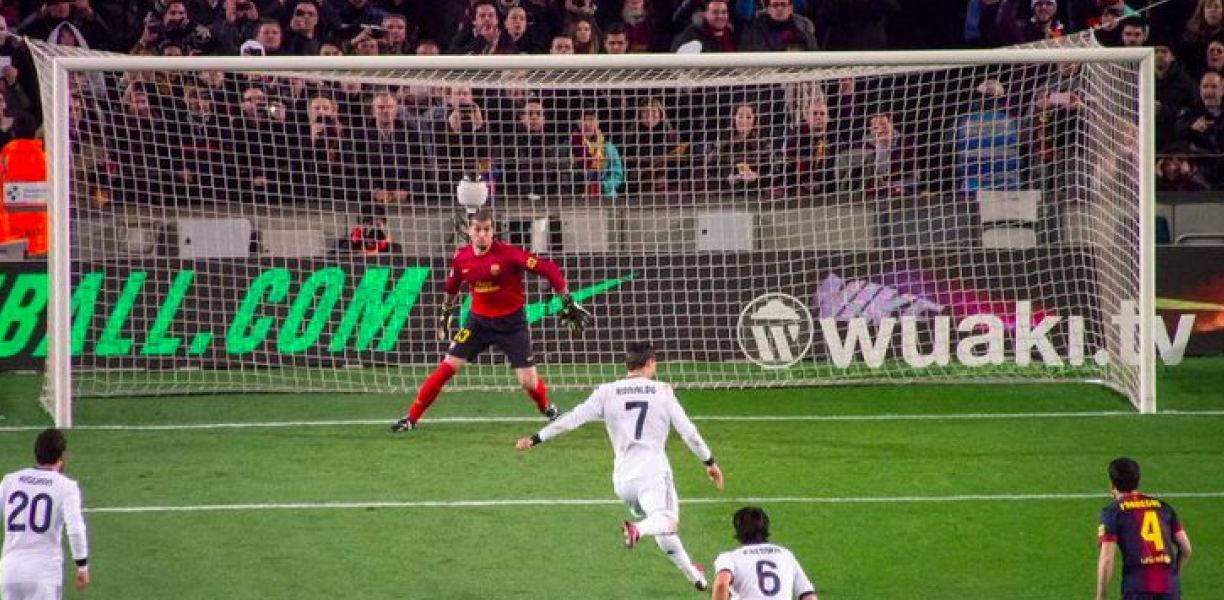
    Have you ever wondered how the roar of the crowd—or complete silence—affects an athlete’s performance, especially in high-pressure situations like a penalty kick?

    The COVID-19 pandemic gave us a rare glimpse into this question.

    With fans absent from stadiums, athletes competed in eerie silence.

    But did this change their performance?

    Fans are an integral part of the sporting experience, but their presence—or absence—can have a significant impact on players and their ability to perform under pressure.

    To explore this, a study was conducted with 20 soccer players to investigate how different types of crowd noise influence penalty-taking performance and whether psychological skills could help mitigate these effects.

    The Role of Psychological Skills in Athletic Performance

    Psychological skills have long been shown to boost athletes’ mental and physical performance. Here are three key skills and their potential impact on soccer performance:

    1. Positive Self-Talk: Positive self-talk enhances focus, attention, and decision-making, especially in tasks requiring precision and movement execution.
    2. Imagery: Visualization techniques, such as the PETTLEP model, help regulate emotions, build confidence, and reduce anxiety.
    3. Relaxation Techniques: Relaxation strategies, like progressive muscle relaxation, create a sense of calm. Research with sub-elite soccer players has shown these techniques improve accuracy, ball control, and overall performance.

    Key Findings on Crowd Noise and Penalty Performance

    The study revealed that different types of crowd noise influenced accuracy, ball speed, heart rate, and psychological skill use:

    1. Accuracy: Accuracy was higher in the no-noise condition compared to the negative-noise condition. Penalty-taking performance was slower and less accurate under negative noise, suggesting that static tasks like penalty kicks are more vulnerable to crowd noise distractions than dynamic skills.
    2. Ball Speed: Ball speed remained unaffected by crowd noise, as it relies more on motor skills than decision-making. However, accuracy—a cognitively demanding skill—was impaired, highlighting the need for players to train in noisy environments.
    3. Heart Rate: Heart rates were lower in the no-noise condition compared to the positive-noise condition, but no significant differences were found across other noise types. Surprisingly, even the pressure condition did not cause a noticeable increase in heart rates, suggesting the need to refine pressure-inducing sound designs for future research and training.
    4. Psychological Skills: Self-talk, imagery, and relaxation were used consistently across all noise conditions. However, emotional control was significantly higher in the no-noise condition than in the pressure condition. This emphasizes the importance of practicing penalties in high-pressure settings to enhance emotional regulation skills.
    5. Self-Talk and Accuracy: Interestingly, a negative relationship was found between self-talk and accuracy. Less accurate players used more self-talk, possibly as a coping mechanism for lower confidence or skill. This suggests self-talk interventions might be most beneficial for athletes with lower confidence levels.

    The findings of the study underscore the importance of preparing athletes for high-pressure environments.

    Training with simulated crowd noise can help players build resilience, improve focus, and strengthen emotional control, especially for tasks like penalty kicks where accuracy is critical.

    By incorporating psychological skills training into their routines, athletes can better navigate the challenges posed by noisy and distracting conditions.

    So, next time you’re watching a penalty kick, remember: the crowd’s noise—or silence—might be influencing more than you realize and awareness is key to unlocking an athlete’s full potential on the slopes.

  • The Two Mental Keys to Alpine Skiing

    The Two Mental Keys to Alpine Skiing

    Authors – Vedika Jogani

    Vedika Jogani is OMP’s Product and Content Manager who has a Master’s degree in Sports and Exercise Science, specializing in Mental Performance.

    Ever wondered how alpine skiers find the motivation to participate in such a dangerous sport? What drives them to embrace the risks involved?

    Two key psychological components crucial to ski racing are having fun and being attuned to one’s emotional states.

    Fun

    To excel, it’s important to maintain the enjoyment that sparked the initial interest in the sport.

    Coaches and athletes from the US Alpine Skiing Team were asked about the role of fun in their training and performance.

    They discovered that incorporating fun into their routines had significant positive effects.

    Developing a training program that athletes find enjoyable can help them overcome slumps, avoid overtraining, and engage in more enjoyable activities.

    Fun reduces the monotony of training, prevents muscle tightness, lowers concentration intensity and overthinking, and alleviates feelings of depression, fear, tension, and worry.

    Creating a fun environment not only sustains motivation but also fosters resilience.

    When athletes enjoy their training, they are more likely to push through difficult times and maintain a positive attitude, which is essential for long-term success.

    Fun acts as a buffer against the physical and mental strains of high-level competition, making it a vital component of any training regimen.

    Affect Training

    Affect training involves increasing awareness of all senses (visual, tactile, auditory, olfactory, and gustatory).

    Mental skills like visual imagery and mental rehearsal can help create vivid images in the mind, enhancing sensory awareness.

    Here are five steps athletes can use to boost their sensory and emotional awareness:

    1. Pause part-way through an enjoyable run down a hill.
    2. Close your eyes and identify the emotional and physical sensations you are experiencing, labeling them if possible.
    3. Keep a log of the activity and your feeling state.
    4. Later, try to recall that state during breaks or when off the hill.
    5. Before the next ski run, attempt to recreate those feelings by closing your eyes and focusing on emotional and physical sensations.

    This heightened awareness allows athletes to tap into their optimal performance states more readily.

    By recognizing and recreating the physical and emotional conditions that lead to peak performance, skiers can enhance their training and competition outcomes.

    Simple, meaningful words to describe these feelings can help athletes become more attuned to their body sensations and emotions, enhancing their overall performance.

    The combination of fun and affect training creates a powerful foundation for alpine skiers. By fostering an enjoyable training environment and enhancing sensory awareness, athletes can maintain high motivation levels and improve their performance.

    These psychological strategies not only help skiers cope with the inherent dangers of the sport but also enable them to thrive and push their limits.

    Ultimately, the balance of enjoyment and awareness is key to unlocking an athlete’s full potential on the slopes.

  • How the Eagles can Mentally Prepare to Soar to Super Bowl Glory

    How the Eagles can Mentally Prepare to Soar to Super Bowl Glory

    Authors – Vedika Jogani & Ryan Miller

    Vedika Jogani is OMP’s Product and Content Manager who has a Master’s degree in Sports and Exercise Science, specializing in Mental Performance.
    Ryan Miller is OMP’s Head of Content and an award-winning content creator.

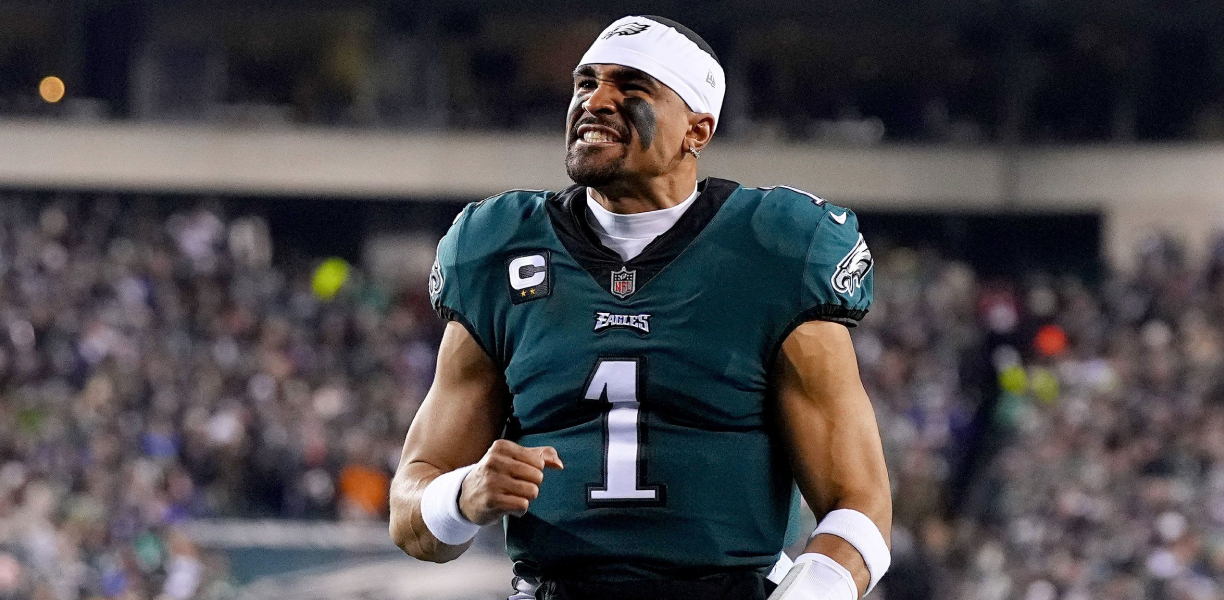
    With the focus of many on if the Kansas City Chiefs can create history by winning a third straight Super Bowl, the Philidelphia Eagles are flying under the radar.

    They’re the underdogs heading into Super Bowl LIX in New Orleans, a position they know oh-so-well.

    This is the franchise’s fifth Super Bowl appearance, and in all but one they have entered the season decider as the underdogs.

    So how do they deal with the external expectation that they won’t beat the Chiefs?

    Underdog Status

    Sometimes having no expectations can be the good. It means there is less pressure, fewer eyes on the team, and a lot of room to surprise.

    The Chiefs may have the headlines, but the Eagles have the experience of thriving when overlooked. This underdog mentality could be exactly what propels them to create history in New Orleans.

    By focusing solely on the process—play by play, moment by moment—the Eagles can stay grounded despite the noise surrounding the game.

    Mindfulness techniques can keep them present and, in the moment, while practicing deep breathing and awareness of body tension helps control any nerves, maintaining their focus and energy throughout the high-stakes environment.

    Motivations from Defeat

    The 2022 decider saw the Eagles heartbreakingly lose an incredible Super Bowl to the Chiefs.

    While this 2025 rematch is being tipped to be the same result, Philly should use their experience in 2022 as motivation.

    Turning past failure into future success requires reframing that loss as a powerful learning experience rather than just a painful memory.

    By mentally visualizing themselves executing plays with precision and overcoming challenges, the Eagles can transform any lingering negative emotions into motivating energy.

    Positive self-talk and affirmations can help reframe the experience, shifting from disappointment to determination. This mental shift will fuel their desire for redemption, reminding them that they’ve been here before and can rise above the past.

    History Doesn’t Repeat, But It Rhymes

    In 2019 the Eagles were underdogs and were facing defending champions the New England Patriots in Super Bowl LII.

    What eventuated in Minneapolis was not only one of the great upsets but scuppered the Patriots’ hopes of claiming a three-peat.

    While only four players from that victory remain at the Eagles, they will be able to use this historic win as a source of confidence.

    The Eagles have been in this situation before—against all odds—and emerged victorious.

    They know the challenge ahead, but they also know that history doesn’t always follow a script.

    With the right mindset, they could once again make history in Super Bowl LIX.

    The few remaining players from that historic win can tap into the mental resilience that helped them achieve success back in 2019.

    By anchoring themselves to the emotions of that victorious moment, they can ignite a sense of purpose and confidence.

    These players can mentally rehearse the exact situations that made that win so memorable, visualizing the plays and decisions that helped them rise above the odds.

    This mental exercise not only serves to boost their confidence but also aligns their team with a shared belief in their ability to overcome challenges and seize another championship victory.

    However, they should also remember their “why”—the hard work, dedication, and sacrifice it took to get to this point.

    Rather than succumbing to the pressure of the occasion, they should focus on having fun and playing with the same joy and freedom that got them here in the first place.

    When they play like it’s their game, with confidence and passion, they’ll be able to tap into the same spirit that carried them to their first Super Bowl win and take another step toward history.