Blog

  • Well-being and Injured Athletes

    Well-being and Injured Athletes


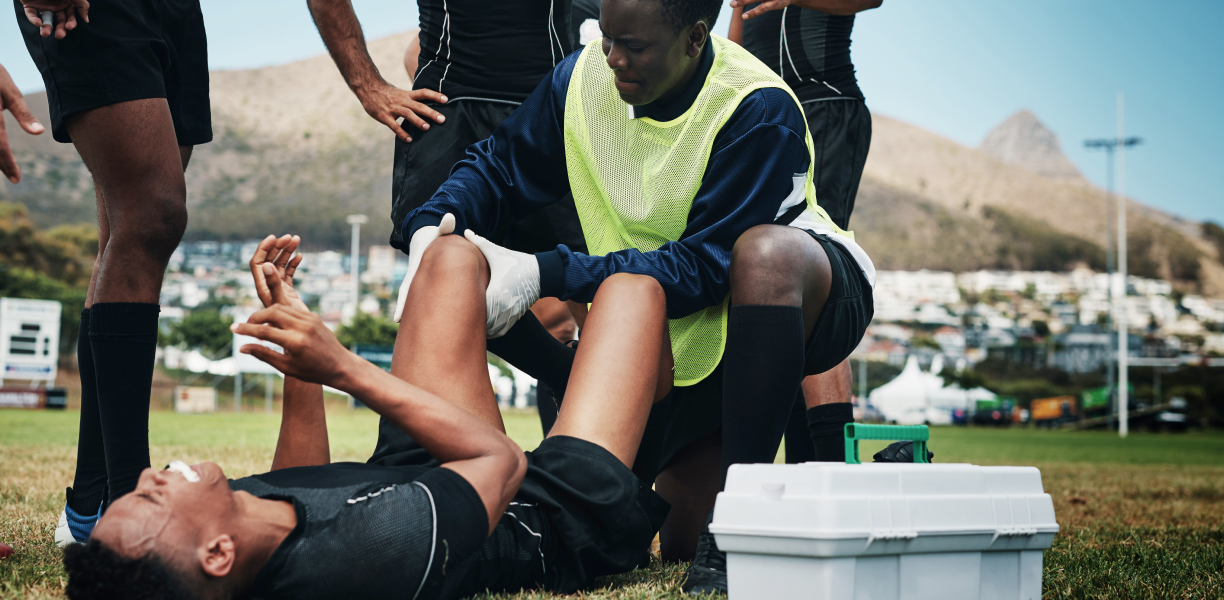
    Injuries are common in athletes, in fact a study across 66 sports found that 72% of athletes reported experiencing at least one injury.

    Beyond the physical impact, injuries can take a serious toll on an athlete’s well-being by affecting their basic psychological needs: autonomy, competence, and relatedness.

    • Autonomy: Pressure to return before fully recovering can leave athletes feeling controlled rather than in charge of their rehabilitation.
    • Competence: Injuries can lower self-confidence and create fear of re-injury or not performing at pre-injury levels.
    • Relatedness: Time away from teammates and coaches can lead to feelings of isolation.
    1. How much do athletes experience moment-to-moment changes in need satisfaction, need frustration, and well-being?
    2. How are need satisfaction and frustration linked to well-being within individuals?
    3. Do changes in needs influence well-being over time, and vice versa?

    Key Findings:

    • Injured athletes’ well-being is influenced by both stable traits (personality, support systems) and momentary changes (pain, rehab progress, social interactions).
    • Need satisfaction improves well-being, while need frustration reduces it, both in the moment and overall, during rehab.
    • Carry-over effects are limited: changes in one moment rarely predicted well-being at the next, suggesting effects are short-term or temporary.
    • Energy levels show a delayed effect: frustration didn’t immediately impact energy but predicted lower energy later, indicating cumulative stress effects.
    • Overall, psychological needs are critical for recovery and addressing them can directly boost emotional well-being during rehabilitation.

    Practical Applications for Rehab:

    • Focus on daily needs: Well-being is linked to day-to-day changes in need satisfaction and frustration, not just overall recovery progress.
    • Target key needs: Supporting autonomy (athlete input in goals), competence (clear feedback), and relatedness (team and staff support) has immediate benefits.
    • Micro-interventions help: Encouraging behaviors that align with needs (e.g., conscientiousness for competence) can enhance daily well-being.
    • Holistic benefits: Meeting psychological needs improves emotions, motivation, adherence to rehab protocols, and overall recovery outcomes.
    • Practical strategies for staff: Combine need-based assessments with physical ones, train staff to recognize shifting needs, and use tools like daily digital check-ins to provide timely, individualized support.

    Injured athletes face not just physical challenges, but psychological stress as well.

    Paying attention to daily fluctuations in autonomy, competence, and relatedness can make rehabilitation more holistic, improve adherence, and ultimately support better emotional and physical outcomes for athletes.

  • Football Australia partner with Optimize Mind Performance

    Football Australia partner with Optimize Mind Performance


    Football Australia – the governing body of Football (soccer) in Australia – has signed a partnership with Optimize Mind Performance (OMP), a platform that empowers performance psychologists to coordinate and deliver mental performance programs to athletes, no matter where they are in the country or around the world.

    OMP’s platform will be used across the Australian National Men’s and Women’s teams (the Commbank Socceroos and the Commonwealth Bank Matildas), and by the men’s and women’s National Teams pathways.

    With prospective squad members and youth internationals spread across Australia and the globe, OMP allows FA to scale the delivery of key mental skills training.

    Kate Wensley, Football Australia Head of Psychology – National Teams, said:

    “This initiative underscores our commitment to holistically developing players. By integrating mental performance training into our national team pathways, we’re ensuring our players are equipped with the psychological tools to thrive in high-pressure environments and reach their full potential representing Australia.”

    OMP CEO Jack Preddey said:

    “As an Australian company, we are delighted that we can help our national teams as they strive for success on the world stage,”

    “We are thrilled that OMP can assist Football Australia’s mental performance staff in maximizing their support to some of Australia’s best players as well as helping FA’s Mental Performance team to equip emerging players with crucial mental skills that they will need in their football journey.”

  • Santa Clara Using OMP to Scale Delivery

    Santa Clara Using OMP to Scale Delivery


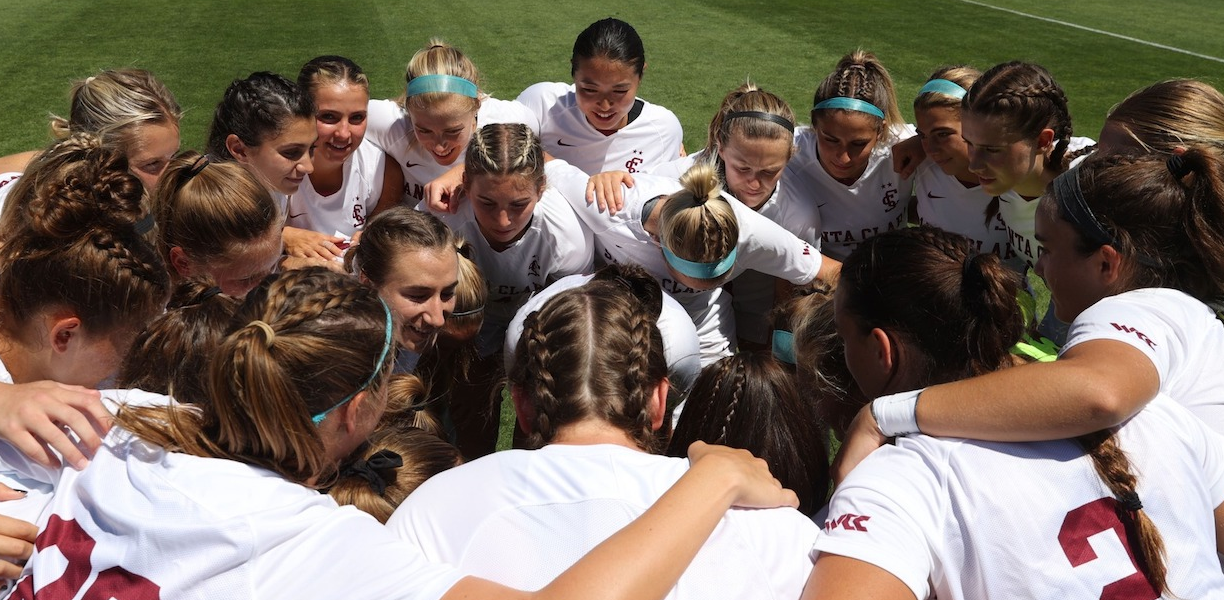
    At Santa Clara University, Dr. Tyler Webster, Associate Athletic Director for Counseling and Sports Psychology, is helping redefine how student-athletes access and apply mental-performance training.

    Working with 18 collegiate teams and and over 450 athletes, Webster and her colleague Dr. Riley Gee have built a model that blends in-person support with scalable digital delivery.

    “We are very intentional in getting in front of every single team at the start of the year,” Dr. Webster told The Mind’s Eye Podcast.

    “And we know that after every team presentation we do, we get 10 people reaching out to us. And thankfully, if folks have a good experience, then we get other teammates reaching out.

    There’s a lot of desire and excitement around performance and doing more working toward optimal performance.

    “And that’s where Riley and I are trying to find that balance of managing a caseload and trying to be as open with our clients as we can about the cadence that we’re able to provide and balancing those team needs and those performance needs.”

    How OMP Has Helped

    That’s where Optimize Mind Performance has become a key partner.

    Santa Clara has been using OMP’s platform with their Division I athletes since September 2024.

    “In all those team meetings that we started the year with, we onboarded every student-athlete,” she said.

    “We’ve built out a way where we can send content every week so that we know where everybody’s getting something weekly.

    “And then when we have our team meetings, we’re trying to expose people through the app of different content and we’ll use it, telling them, ‘Hey, if you liked this, go back on and check other things out.’”

    “Mental performance stuff like goal setting or updated goal setting or checking in on team values or just different tools that we’re starting to use, and I can schedule those out early, which is nice.

    “It doesn’t take time out of the day where I have to be in front of people necessarily doing it. I can follow up instead when it works. So that’s been a huge thing.”

    Ethical Approach

    For Webster, OMP’s performance-based design not only addressed scalability but also aligned with her ethical approach to athlete care.

    “I’ve always been a little hesitant around apps that are supporting mental health or use AI or something like that,” She said.

    “But the opportunity to have something that was performance-based was speaking to a need that because of the high caseloads, it (OMP) was something that we could really benefit from.

    “I do think, it’s hard when we’re always demanding athletes come to us. So, there was something about going where they were, which is on their phone, to have an ethical mode where students could engage with us when and how they wanted.

    “And they can make that choice and we’re providing something that they could have access to, that felt really good, too.”

    Anytime Anywhere

    That accessibility—delivering mental-skills content directly to athletes on their phones—creates what Webster calls a “harm reduction” benefit.

    “If they’re spending five minutes doing a breathing exercise that teaches them how to slow down and not scrolling on a social media site, win… at least they’re doing something helpful on their phone.”

    Through a combination of proactive education, weekly digital delivery, and a deep understanding of student-athlete demands, Santa Clara’s approach models what scalable, ethical mental-performance support can look like in college athletics today.

    OMP isn’t replacing the counselor’s office—it’s extending it, meeting athletes where they are and empowering them to take ownership of their own mental game.

    Want to see how OMP can help your athletes build stronger mental skills—anytime, anywhere?

    Book a personalized demo and discover how programs like Santa Clara are scaling mental-performance support across entire athletic departments.

    BOOK NOW

  • Routines, Resilience, and the Road to the World Series

    Routines, Resilience, and the Road to the World Series


    The MLB post season which brings with it a pressure to perform.

    Every pitch, plate appearance, catch, throw and coaching move is scrutinized more than the regular season.

    In a sport that elevates players as legends based on their ability to fail less than others, the post-season can be unforgiving.

    Performing Under Pressure

    Often it is the team and athlete who can show resilience and strength under pressure that excels and progresses until they win the World Series.

    “We saw Matthew Boyd crying in his press conference on Monday when he was describing what it meant to him to be pitching game one at Wrigley Field and thinking about his grandpa growing up a Cubs fan,” said Geoff Miller, a CMPC who has spent over two decades working with MLB players and organizations including Pittsburgh Pirates, Washington Nationals, Atlanta Braves, Los Angeles Angels, and Philadelphia Phillies.

    “Every player has something personal that matters to him every year and the playoffs bring those chances to win, to prove yourself, to bring a ring and a championship to your city and to yourself.

    “The intensity is heightened for everyone, and every player and staff member must manage that intensity in order to perform and execute.

    “I think everyone focuses on “pressure”, but they don’t always realize how controlling adrenaline and emotions plays into staying disciplined at the plate or keeping command of your fastball when your intensity is at a 10 instead of a 6.”

    The Importance of Routines

    So, what can athletes and coaches do to ensure that they can handle the pressure and ensure they are able to bring the right level of intensity to their performance?

    Miller stresses the importance of routines.

    “Having routines to help you relax and focus on what matters is critical,” Miller said.

    “You want to be able to bring intensity down as much as possible and really make sure you’re using your eyes to keep your focus on whatever is most important for your success.

    “I tell hitters to see the ball out of the pitcher’s hand and tell pitchers to stay focused on their targets.

    “Position players should be reading the ball and swing through the hitting zone.”

    Routines Vs Superstitions

    Sometimes routines can turn into superstitions.

    Miller warns that while superstitions are fine, it’s important that they don’t become derailers to your performance.

    “In general, I always tell my clients that their routines need to be portable and adaptable,” Miller said.

    “You need to be able to do your routines anywhere, without having to rely on your favorite hitting coach to throw you flips or enough time or space to do your complete pre-game routine, or to have a set of stretching bands or something else.

    ”I had a client who hit two home runs in a game, two games in a row this season. He told me that the rest of the week, he got his coffee and breakfast at the same place, did everything at the park the same, went to bed at the same time.

    “These are fun parts of the game and it’s okay to believe in them, but if your routines make it so you “have to” do something in a certain way or you will feel unprepared without them, that becomes dangerous.

    ”I think we talk about dealing with adversity often and then we get too perfectionistic or obsessive with having exact and detailed routines. You need to get yourself ready to play. You need to be focused and ready to hit or throw a pitch or be ready at your position.

    “But you don’t always have to fix your batting gloves or re-tie your shoes to maintain a routine.”

    As the post-season progresses we will all watch to see which players are able to handle the big moments and deliver for their team.

    If you want to learn more about routines and the mental skills used by the world’s best baseball players, Geoff Miller’s content is available within the OMP App.

    Geoff Miller is a Certified Mental Performance Coach, consulting to Athletes, Organizations and Executives through his company Dots Miller, LLC.

  • Maintaining Mindset During Women’s Cricket World Cup

    Maintaining Mindset During Women’s Cricket World Cup


    The Women’s Cricket World Cup, a tournament that only comes around once every four years, is underway in India.

    For female cricketers, this is the pinnacle of competition.

    The physical training is complete, the hours of preparation are done but at this level, the difference lies in an athlete’s mindset.

    The pressure is immense. Expectations from fans, teams, and even from within can feel overwhelming.

    So, how do athletes maintain a positive mindset throughout the course of the tournament?

    Managing Nerves

    Playing on the world stage is no small feat.

    The best cricketers from across the globe are competing, and the spotlight can be intimidating.

    Some players are making their World Cup debut, while others may be preparing for their final tournament.

    Nerves are natural but using some mental performance techniques can prove to be helpful.

    The key is reframing nerves as a sign that you’re ready, that your body is preparing you for the challenge ahead.

    Athletes can lean on consistent yet flexible routines that help create a sense of stability in high-pressure moments.

    Breathing techniques can be helpful for calming the body and regaining control of arousal levels.

    Visualization and imagery can be a powerful tool by mentally rehearsing those high-stake scenarios before they happen and reflecting on past successes can help athletes step onto the field with confidence and sense of preparedness.

    Recovering from Mistakes

    Mistakes are inevitable, especially in high-pressure games.

    Even the best players drop catches, mistime shots, or misjudge situations.

    The difference lies in how quickly they recover.

    Athletes who can reset after mistakes give themselves the best chance to perform at their peak.

    Using focus cues – short words or actions that bring attention back to the present can stop negative spirals and restore confidence.

    Pairing that with positive body language and self-talk helps athletes shift from frustration to action.

    Learning to view mistakes as part of the game, not as failures, is key to bouncing back stronger.

    Controlling the Controllables

    In a tournament setting, there are countless factors athletes can’t control: the weather, the pitch, the crowd, the opponent’s performance.

    Fixating on these only increases stress.

    The best competitors focus on what’s within their control – the effort, attitude, preparation, and mindset.

    Establishing routines that can flex with changing conditions helps players stay grounded, while positive self-talk keeps confidence steady no matter the situation.

    At the Women’s Cricket World Cup, physical skills put athletes on the field, but mental strength keeps them performing under pressure.

    Managing nerves, recovering from mistakes, and focusing on controllables are all mental skills that separate good from great.

    Every player has prepared for this moment.

    Now, it’s about trusting their preparation, leaning on their mental skills, and embracing the opportunity to shine on the biggest stage.

  • VR Training Not the Only Way to Handle Noise

    VR Training Not the Only Way to Handle Noise


    Golfers everywhere are trying to find an edge over their competition and a former world number one is no different.

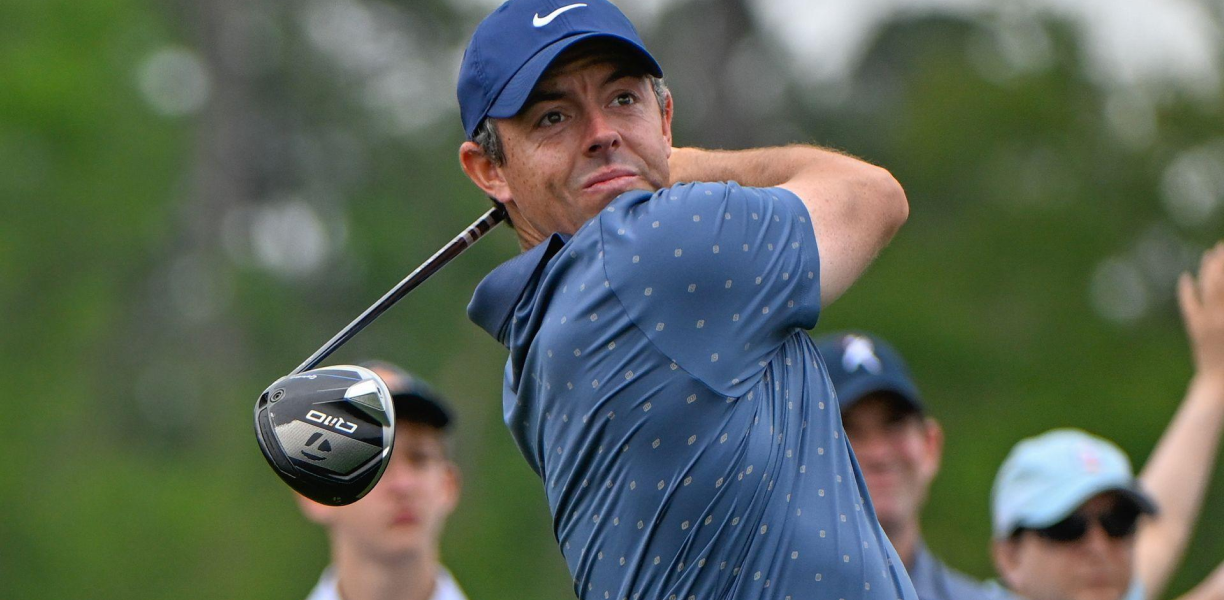
    Rory McIlroy is using a Virtual Reality to replicate the noise and abuse that he is anticipating coming from the New York crowd in the Ryder Cup that starts this week.

    Team Europe – which is looking for their first Ryder Cup victory since 2012 – are using VR headsets to replicate the “sights and sounds” and pressure of the competition.

    “It’s better to try to desensitize yourself as much as possible before you get in there.” McIlroy told the BBC last week.

    “We are doing everything we can to best prepare ourselves for what it is going to feel like.”

    While McIlroy was coy about the insults that he’s hearing during these training sessions, it does pose the question – how can golfers and athletes that don’t have access to more advanced tech mentally prepare for big occasions?

    Here are four simple techniques that athletes can use to overcome outside noise, including insults from fans!

    • Cue words: Simple reminders like a phrase, a visual anchor (looking at a spot on the ball), or even an auditory rhythm can help block out distractions and bring your attention back to the task. Cue words snap you into a competitive mindset and keep you focused when the noise around you gets loud.
    • Imagery and visualization: Research shows that when you use imagery, you activate many of the same neural pathways as when you’re physically doing the task. That means mentally rehearsing clutch shots or high-pressure moments can help you feel like you’ve already been there. When the real moment arrives, your brain treats it as familiar, which helps you stay calm and confident.
    • Routine: Having a consistent but flexible routine before a shot or competition provides a sense of stability. It reduces uncertainty, builds confidence, and allows athletes to feel in control regardless of the environment. A routine can include breathing techniques, specific pre-shot movements, or even mental reminders that signal “I’m ready.”
    • Breathing and relaxation techniques: High-pressure moments trigger the body’s stress response. Controlled breathing not only calms nerves but also resets focus, lowers muscle tension, and improves decision-making under stress.

    You can learn more about these techniques and how to add them to your performance toolkit on the OMP App!

  • OMP Joins The Wolfpack

    OMP Joins The Wolfpack


    North Carolina State University is the latest NCAA Division I athletic program to partner with Optimize Mind Performance.

    The Wolfpack’s Mental Health & Performance Psychology Department will use OMP’s platform to deliver their programs across all 22 of their varsity sport teams.

    NC State Athletics, which competes in the Atlantic Coast Conference (ACC), has storied athletics program, winning 11 National Championships, including the iconic 1983 men’s basketball championship.

    NC State is the fifth ACC school behind Stanford, Duke, Boston College and Louisville to partner with OMP.

    The Wolfpack joins Carnegie Mellon University and Muhlenberg College in partnering with OMP so far this September.

    Unlike NC State, the two Division III schools don’t have a mental performance department but are providing their athletes with crucial mental performance resources available within OMP’s content library.

    OMP Joins The Wolfpack
  • Pressure’s Impact on Shooting Performance in Basketball

    Pressure’s Impact on Shooting Performance in Basketball


    A basketball player’s shooting performance is crucial for team success.

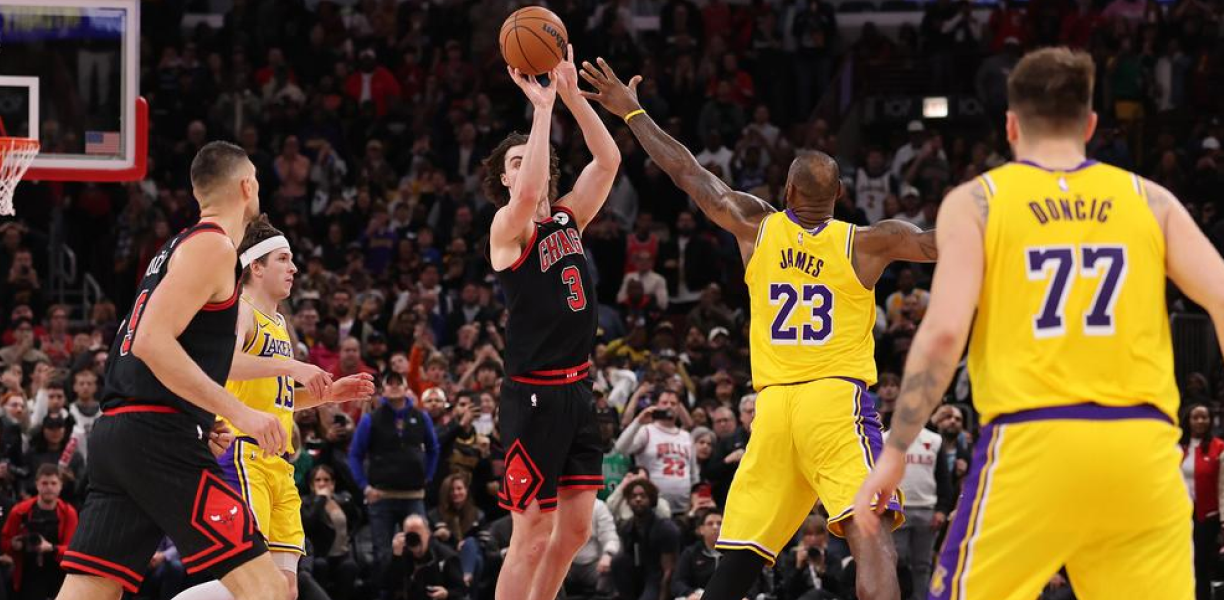
    However, this is often influenced by environmental pressure and the score on the scoreboard, and suddenly players find it a lot harder to hit the shot that they usually have so much control over.

    Research shows that shooting performance tends to dip under pressure, often because of rising anxiety and the extra mental load basketballers carry in high-stakes moments.

    But what happens in a live game, where players are juggling multiple demands, reacting to unpredictable situations, and dealing with the real consequences of mistakes?

    A recent study aimed to examine two main goals:

    • Test how pressure influences performance. They created two types of environments, one low-pressure (LEM) and one high-pressure (HEM).

    In the high-pressure condition, players faced more rules, unpredictable cues, and real consequences for errors, while also needing to multitask.

    • See if inhibitory control (IC) matters. IC is an athlete’s ability to manage automatic reactions, focus attention, and control responses.

    The researchers wanted to know if athletes with stronger IC could perform better under pressure.

    The results of the study showed:

    • More pressure = more anxiety. Players reported higher anxiety and frustration in the high-pressure setting, and their mental workload spiked.
    • Performance dropped. Shooting accuracy and multitasking performance declined when the task was more complex and the stakes were higher.
    • IC made a difference. Players with stronger inhibitory control were better at managing anxiety and maintaining performance despite the added stress.

    Pressure changes not just how athletes feel, but how their minds and bodies work together.

    When task demands are more than capacity, anxiety and workload can undermine performance.

    But cognitive skills like inhibitory control can act as a buffer, helping athletes stay composed and effective under stress.

    The researchers also offered practical guidance to coaches and athletes.

    Training shouldn’t only focus on isolated, low-pressure drills.

    Instead, gradually increasing task complexity and consequences in practice can help athletes build the coping strategies they’ll need when the game is on the line.

    In other words, pressure can be trained.

    Using mental performance strategies like breathing exercises, cue words, and visualization can also help athletes prepare for these situations and perform more effectively when pressure is high.

    Pressure’s Impact on Shooting Performance in Basketball
  • Muhlenberg College Athletics Partners with OMP

    Muhlenberg College Athletics Partners with OMP


    Optimize Mind Performance (OMP) is delighted to announce that it has partnered with Muhlenberg College to provide its student-athletes with crucial mental skills training.

    Muhlenberg Athletic Director Lynn Tubman identified OMP’s platform as a way to provide their athletes with access to content from world-leading coaches.

    “We understand how crucial the mental side of performance is and with OMP we are now able to serve all 23 of our varsity teams with crucial support and training,” she said.

    “Their platform allows us to provide these resources to our athletes in a cost-effective way while receiving ongoing support from OMP’s team.”

    Muhlenberg is the third Division III school to integrate OMP’s platform into their athletic program, following Colby College and Carnegie Mellon University in signing a partnership with OMP.

    Founded in 1848, Muhlenberg is a highly selective, four-year, residential, liberal arts college in the city of Allentown, Pa., with nearly 2,000 bachelor’s and master’s degree-seeking students.

    More than 30 per cent of Muhlenberg students are also varsity athletes, competing in the NCAA’s Division III Centennial Conference.

    With OMP’s platform used by Division I heavyweights like Stanford, USC and Duke, the partnership with the Mules shows how OMP’s platform is accessible and able to be fully utilized by organizations of all levels.

    Muhlenberg College Athletics Partners with OMP
  • Carnegie Mellon Athletics Partners with Optimize Mind Performance

    Carnegie Mellon Athletics Partners with Optimize Mind Performance


    Carnegie Mellon Athletics is collaborating with Optimize Mind Performance (OMP) to provide student-athletes with additional resources focused on mental skills and performance. 

    As a result, Tartan student-athletes will have access to OMP’s digital platform, which includes materials developed by sport psychologists and mental performance coaches.

    “This collaboration supports our ongoing efforts to provide resources that enhance the student-athlete experience at Carnegie Mellon,” said Josh Centor, Associate Vice President for Student Affairs and Director of Athletics. 

    “We are committed to offering tools that contribute to the overall well-being and development of our students, both in athletics and academics.”

    Carnegie Mellon continues to be recognized among the most competitive Division III athletics programs in the country, including recent national championships in men’s and women’s golf, as well as consistent success across multiple sports.

    OMP Founder and CEO Jack Preddey noted: “We look forward to working with Carnegie Mellon Athletics to make our platform available to student-athletes as they pursue their academic and athletic goals.”

    Carnegie Mellon Athletics Partners with Optimize Mind Performance