Blog

  • OMP Tech to Power USC Trojans’ Mental Game

    OMP Tech to Power USC Trojans’ Mental Game


    The Trojans’ Sport Psychology team will use OMP’s game-changing platform to assist in the delivery of mental skills training services.

    USC is an iconic sporting institution, having won 113 NCAA National Championships across men’s and women’s sports, and having had at least one athlete win an Olympic gold medal in every Olympic Games since 1912.

    At Paris 2024, the Trojans saw 13 athletes bring home 15 medals, including seven golds.

    “USC has proudly been at the forefront of sport psychology, and we’re continually exploring how technology can support and enhance the mental side of our student-athletes’ performance,” said Dr. Niki Sims, USC Director of Clinical and Sport Psychological Services.

    “We feel that OMP’s platform will enable us to do exactly that, scaling our reach to our teams and athletes regardless of where they are competing.

    “OMP’s platform gives our team the ability to create, store, and share our own content within the OMP dashboard—providing ongoing touchpoints and reinforcing the techniques athletes have learned in one-on-one and group sessions.”

    OMP CEO Jack Preddey said:

    “USC has one of the most storied athletic programs in the United States, and their sport psychology team is among the best in the country.

    “We are excited to partner and work with them as they deliver crucial services to their teams and individual student-athletes.”

    USC joins leading Division I institutions including Stanford, Duke, and Wisconsin–Madison, as well as the U.S. Olympic & Paralympic Committee, in partnering with Optimize Mind Performance (OMP).

    OMP Tech to Power USC Trojans’ Mental Game
  • The Mindset Powering a Rising Star of Tennis

    The Mindset Powering a Rising Star of Tennis

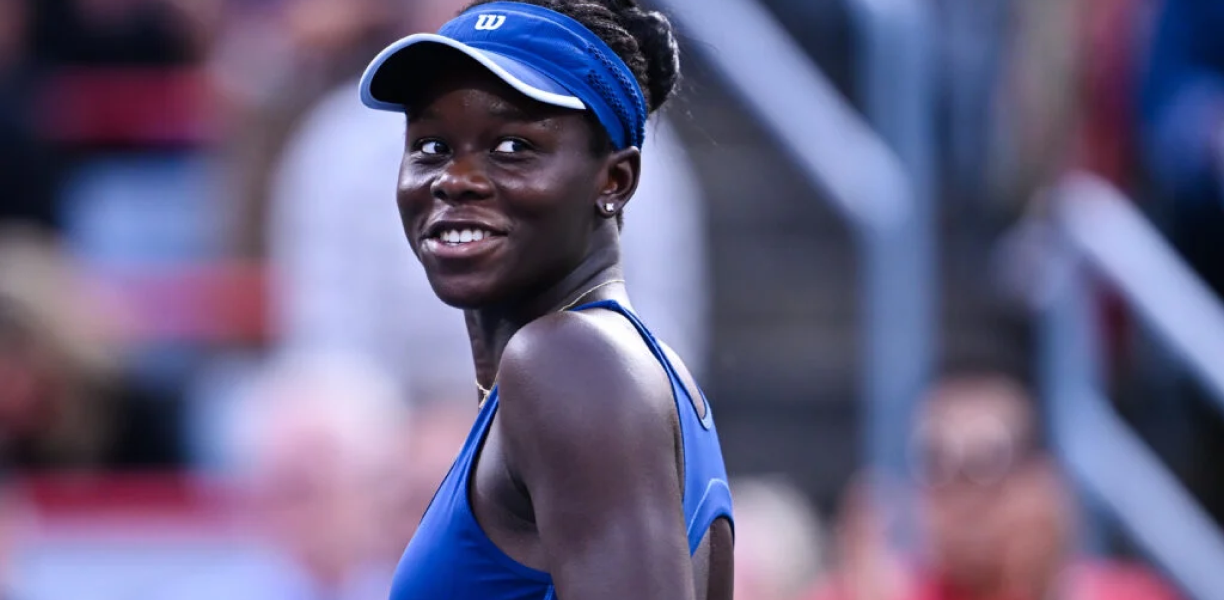
    At 18 years old, Victoria Mboko has become the talk of everyone in the tennis world.

    Ranked 333rd earlier this year, she shocked the sporting world by breaking into the top 25 after a stunning run at the WTA tournament in Canada and defeating four Grand Slam champions on her way.

    In many ways, Victoria Mboko’s was a mental victory.

    Her composure, belief, and resilience under pressure helped her with her victory.

    A Winning Mindset

    Mboko made it clear that her mental approach was a big part of her success.

    As she put it, “I wanted to have a different mindset going into this year. I wanted to be very confident with myself, confident with my team and comfortable. I wanted to have a good support system.”

    She openly acknowledges that the mental side of tennis is just as important, if not more important than raw talent.

    In a recent interview, she explained, “I think sometimes in tennis, the mental aspect is almost more important than what you’re able to produce on court and your talent and ability to do something. If you have a clear mindset of what you want to do, nothing’s going to stop you.”

    Against some of the world’s top players, Mboko reminded herself that they are human too a perspective that helped her stay grounded and fearless. In her own words, “I hope to go there with a positive mindset. I want to have as much fun as possible.”

    The Power of Routines

    Mboko credits her consistency and focus to her pre-match routines. Reflecting on her habits, she shared, “I’ve been doing exactly the same thing I’ve been doing every other day. I like to keep the same routine when I’m in a tournament.”

    Bouncing Back from Injury

    Her recent success is even more remarkable considering she’s battled through injury setbacks. Through it all, she leaned on her positive mindset to return to the court stronger than ever.

    Sport Psychology Takeaways from Mboko’s Victory

    1. Confidence and Belief in Yourself

    Mboko’s rise from 333rd to top 25 shows how self-confidence can unlock potential. Mboko’s unwavering belief in herself and her team created the mental stability needed to face and beat some of the world’s best players.

    2. The Power of Routines

    Routines aren’t just superstition they’re mental anchors. Pre-match rituals help athletes regulate nerves and narrow their focus. Mboko’s consistent routine before each match likely reduced uncertainty, kept her mind calm, and allowed her to step onto the court fully prepared both mentally and physically.

    3. Playing with Joy

    Enjoyment fuels performance. By choosing to “have as much fun as possible,” Mboko tapped into a state of relaxed confidence often linked to peak performance in sport psychology. When athletes focus on enjoying the game, they reduce fear of failure and play with more freedom, creativity, and resilience.

    4. Maintaining a Positive Mindset

    A positive mindset isn’t about ignoring challenges it’s about choosing the perspective that helps you perform your best. Mboko’s ability to see her opponents as “just human” and focus on opportunity rather than intimidation is a prime example of reframing pressure situations into opportunities.

    Victoria Mboko’s rise is proof that mental strength can be the ultimate game-changer in sport. Her journey shows that belief, routines, joy, and a positive mindset can elevate your game to the next level.

  • What Are Your Athletes Really Thinking? Our Platform Gives You the Answers

    What Are Your Athletes Really Thinking? Our Platform Gives You the Answers

    A lot of coaches wish they knew what their athletes were thinking.

    Optimize Mind Performance doesn’t read minds, but our platform can help you to gain insights into your athletes that you weren’t able to access before.

    Here are three ways our platform can reveal more about the mindset of your athletes.

    1 – Monitor Listening Habits

    Using OMP’s dashboard, you can see exactly what athletes are listening to, gathering a greater understanding of their mindset.

    Content created by in-house practitioners or one of OMP’s world-leading coaches are organized within the app accord to key mental performance pillars like confidence, resilience, pressure, stress and concentration.

    When an athlete listens to this content, the dashboard will show what topics they are listening to the most which gives coaches and psychologists a greater understanding of areas of an athletes’ mental game that may need assistance.

    2 – Send Surveys

    The quickest and most efficient way to get an understanding of an athlete’s mindset is through the survey feature.

    Sport Psychologists and coaches can create a survey using text-based answers, Likert scales, multiple choice and numbered lists and then send them to athletes using push notifications.

    These push notifications can be delivered instantly or times that fit in and around an athlete’s schedule.

    Surveys have been used effectively by our partners prior to performance to gather an understanding of an athlete’s thoughts, and immediately post-performance to help athletes process their feelings and find areas for improvement.

    3 – Interactive Exercises

    Gone are the days of pen and paper worksheets or having to bug athletes to open an email and fill out an attached document.

    Optimize Mind Performance’s interactive exercises live within the app and can – like surveys – be sent to athletes via push notification.

    These exercises not only give you insights of an athlete’s mindset but can help them to learn new mental skills that they can apply to their game.

    Athletes can also complete these exercises multiple times, which allows them to track their process.

  • University of Denver x OMP: Shaping the Future of Mental Performance

    University of Denver x OMP: Shaping the Future of Mental Performance


    Optimize Mind Performance is excited to announce it has partnered with the University of Denver’s Master’s in Sport & Performance Psychology (MASPP) Program — one of the leading graduate programs in the United States.

    The MASPP is a pioneer in innovative training, applied practice, and research and is training the next generation of mental performance consultants and sport psychologists in the field.

    MASPP students consult with youth club and school sports, collegiate and elite athletes, and other performers, and will use OMP’s platform as they gain practical experience improving their clients’ mental performance.

    This collaboration is an incredible opportunity to co-create the future of mental performance, combining OMP’s cutting-edge digital platform with the deep academic and applied expertise of DU’s faculty; Drs. Mark Aoyagi, Iman Hassan , Breigh Jones-Coplin, PsyD, Artur Poczwardowski, and Jamie Shapiro, and their students.

    MASPP director, Dr. Jamie Shapiro, said:

    “Technology is already playing a key role in human performance and the focus has long been on apps that prioritize the physical aspect.

    “OMP is at the forefront of providing an app to support mental performance. We are thrilled to partner with OMP to train our students to implement technology with the athletes and performers they consult with.”

    OMP’s Founder and CEO Jack Preddey said:

    “We’re proud to support the development of young professionals while integrating real-world practitioner insight into the evolution of our product.

    “By engaging directly with the next generation of sport psychologists and mental performance consultants, we’re not only enriching the learning experience — we’re also ensuring our platform is built with and for the future of the field.

    “This is not just a partnership — it’s a step toward building smarter, more impactful tools for teams, athletes, and the future of performance psychology.”

  • How the Lionesses Can Defend Their Title

    How the Lionesses Can Defend Their Title


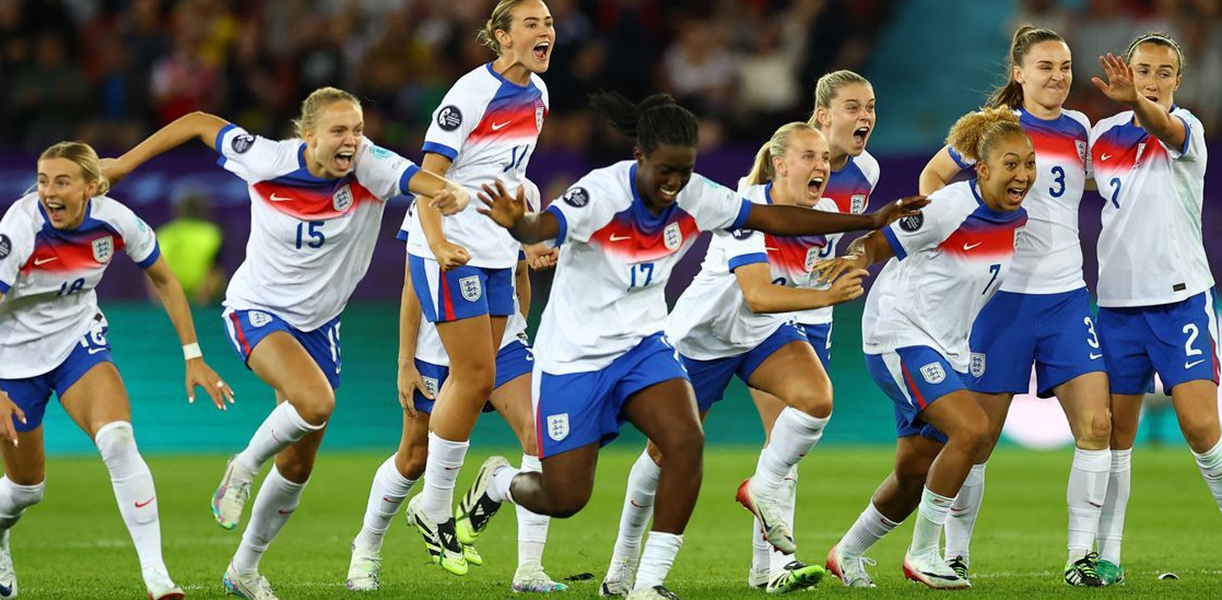
    The UEFA Women’s Euro final is this Sunday – England vs. Spain.

    This year’s tournament has been packed with dramatic upsets, tight matches, and edge-of-your-seat moments.

    But now, as we reach the final, it’s clear: success will come down to more than just physical preparation.

    It will be a psychological battle.

    Can the Lionesses Defend Their Title?

    As defending champions, England carries expectations.

    That pressure can be motivating, but it also adds a mental load.

    It’s not just about performing well.

    It’s about doing it consistently, in unfamiliar conditions, under intense scrutiny – and doing it again.

    Playing Away and Staying Grounded

    Unlike the last Euros, this time England doesn’t have home advantage.

    They’re away from familiar stadiums, crowds, and routines.

    Without those comfort cues, the environment can feel unsettling and emotionally draining.

    So how can athletes stay grounded when everything around them is unfamiliar?

    The answer lies in flexible routines – small, repeatable habits that provide structure without being overly rigid.

    Whether it’s pre-game visualization, breathwork, or team rituals, these help players feel centered and present.

    When routines are adaptable, they act as mental anchors that allow athletes to conserve focus and regulate emotions even in unfamiliar settings.

    Reconnecting with Their ‘Why’

    In a recent interview, captain Leah Williamson talked about the importance of returning to each player’s *why* – their personal reason for competing.

    This kind of reflection strengthens emotional stability under pressure and helps athletes manage the highs and lows of competition.

    When each player connects to their motivation, it not only sharpens individual focus but strengthens the bond within the team.

    Understanding each other’s values and goals creates space for better communication and mutual support.

    Blocking Out the Noise

    Being defending champions comes with attention — from the media, from fans, and from within.

    It’s easy to get caught up in the noise, the what-ifs, and the distractions.

    This is where mental skills become non-negotiable.

    Breathwork, present-moment focus, and grounding techniques help players stay locked into what’s controllable.

    One powerful strategy is reflecting on previous performances – moments when they’ve succeeded under pressure.

    By tapping into those memories, athletes can build confidence from evidence: We’ve done this before. We can do it again.

    As the Lionesses prepare to face Spain, it’s not just about tactics and skill. It’s about managing nerves and blocking out distractions.

  • Sinner Turning Heartbreak into History

    Sinner Turning Heartbreak into History


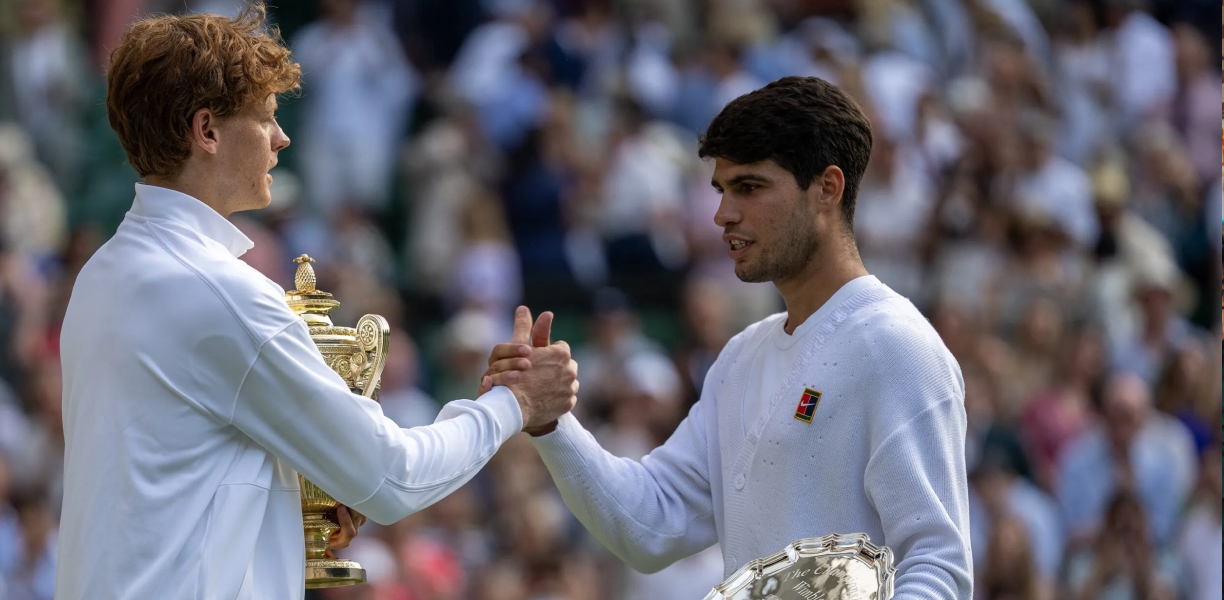
    Less than two months ago, Jannik Sinner and Carlos Alcaraz battled it out in a French Open final that had fans on the edge of their seats.

    Sinner had 3 championship points – but couldn’t close and Alcaraz went on the lift the trophy.

    Fast forward to July 13. Same players. Even bigger stage: the Wimbledon final.

    This time, Sinner didn’t just show up – he overcame a previous heartbreak and an elbow injury to win his first Wimbledon title.

    From a mental performance perspective, this wasn’t just a win on the scoreboard it was a story about overcoming past failures and resetting the narrative.

    Facing the same opponent, under similar high-stakes conditions, just weeks after a painful loss, Sinner had every reason to get stuck in the past.

    Here are a few key mental strategies that likely played a role:

    • Resetting the Narrative: Instead of carrying the emotional weight of losing championship points in Paris, Sinner mentally reset.

      He didn’t approach Wimbledon as a rematch with revenge on the line but as a new opportunity.

      This ability to shift the internal story from “I have to redeem myself” to “I get another chance to compete” helps reduce pressure and free up performance.

    • Staying Locked in the Present: Ruminating on past mistakes is a mental trap that can pull athletes out of the moment.

      Sinner’s ability to stay present – point by point, moment by moment – shows strong attentional control.

      This skill allows athletes to fully engage with what’s in front of them, rather than being distracted by what’s already behind them.

    • Regulating Emotions Under Pressure: In high-stakes environments, emotional regulation can be the difference between clarity and chaos.

      Sinner showed remarkable poise in the Wimbledon final, especially against a player who had previously beaten him.

    Sinner’s Wimbledon victory is more than just a career milestone – it’s a reminder that resilience isn’t about forgetting the past; it’s about using it.

    His ability to regulate emotions, stay present, and reframe pressure into opportunity is what separated him on that court.

    For athletes at every level, this performance highlights a powerful truth: mental skills aren’t just add-ons to physical training – they’re often the difference between falling short and breaking through.

    And in Sinner’s case, they helped turn heartbreak into history.

  • OMP to Fuel Chicago Fire’s Mental Performance

    OMP to Fuel Chicago Fire’s Mental Performance


    Chicago Fire FC has become the first Major League Soccer team to partner with Optimize Mind Performance.

    Players from the Club’s Under-13 Academy team through to their First Team will now have access to OMP’s game changing platform.

    Using the platform, Fire staff will now be able to share mental skills training programs to better support the mental performance of players regardless of where they are.

    Rachael Jankowsky French, LCSW, Fire Head of Player Care & Well-Being said:

    ”OMP is going to change the way that we support the mental side of our players’ performance week in, week out.”

    “Our Mental Performance Coach Felix Yu, MA, CMPC and I, work with nearly 150 players across seven squads.

    “Having a platform like OMP helps us to better support these teams and individual players as they compete in leagues and tournaments across the country.

    “This resource will help the Fire to further develop the next generation of soccer talent.”

    OMP CEO & Founder Jack Preddey said:

    “Welcoming Chicago Fire FC as our inaugural professional soccer club is a great milestone for OMP.”

    “We’re delighted that we are able to support their staff in delivering their mental performance programs that will enhance their performance.”

  • Squid Games Psychology: 3 Mental Skills Athletes Can Steal for High-Stakes Performance

    Squid Games Psychology: 3 Mental Skills Athletes Can Steal for High-Stakes Performance

    Author – Ryan Miler

    Ryan Miller is OMP’s Head of Content

    When it comes to sport, the stakes are high, but athletes are often reminded that ‘it’s not life and death’ and that ‘the sun will come up in the morning’.

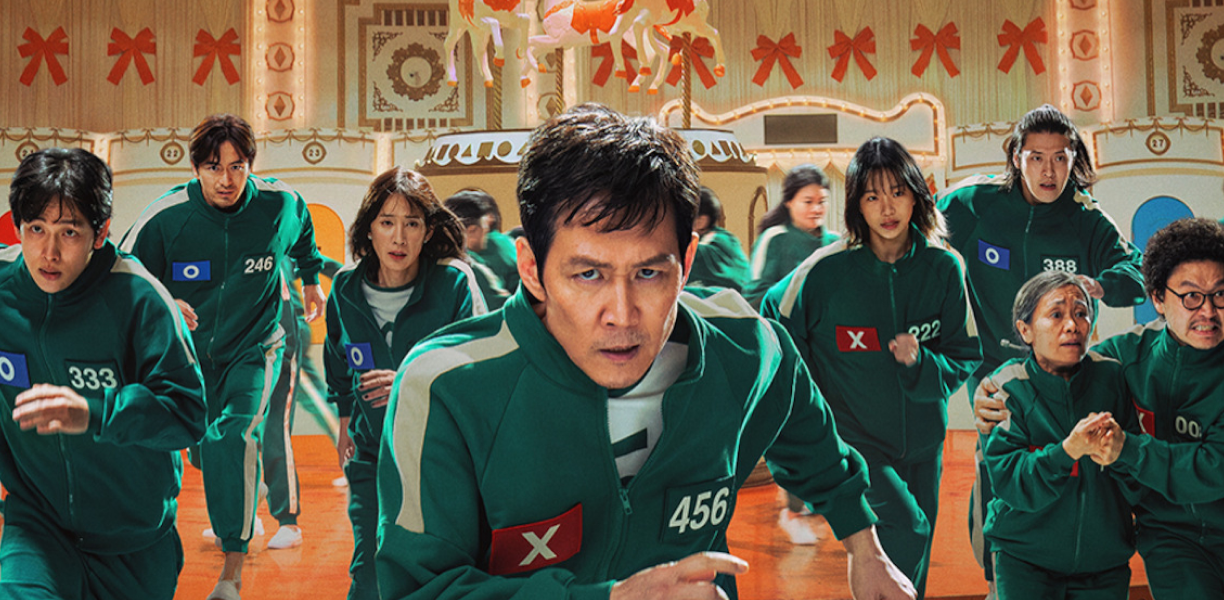
    In the hit Netflix show Squid Games, this isn’t the case.

    The characters of the South Korean streaming juggernaut compete in schoolyard games where the loser either suffers a horrific death during the game or is killed by one of the faceless guards, while the winner gets to live long enough to play another twisted game.

    Thankfully the show is a work of fiction, however this doesn’t mean that we can’t think about the mental skills that competitors in a Squid Games scenario could use to ensure they live to see another day.

    Performing Under Pressure – Self-Talk

    All athletes face pressure.

    Like we’ve already said, the competitors in Squid Games face pressures unlike anything else.

    One of the great techniques to operate with a clear mind under pressure is to use instructional self-talk.

    Instructional self-talk involves giving yourself specific, concise directions during a task. For example, during the infamous ‘Red Light, Green Light’ game in season one and two, repeating “steady steps, eyes forward” can help maintain focus on the critical elements rather than the consequences of failure.

    Generally speaking, statements like “I’ve got this” or “I can handle the pressure” can counteract fear and anxiety, preventing the emotional overload that leads to poor decision-making.

    Research shows that self-talk techniques keep rational thinking engaged rather than allowing for an amygdala hijack response to dominate.

    Fear of Failure – Breathe

    When the punishment for failure in Squid Games is death, the fear of failure can be overwhelming.

    Across the course of the show the Flight, Fight or Freeze response of an amygdala hijack is on full display.

    Countless competitors in the show are seen running for their lives, fighting other competitors or guards in an attempt to win or completely freezing out of fear.

    It goes without saying that there is some fact to this fiction – this response isn’t high drama.

    So, what can competitors do to ensure they feel the fear but remain focused and in control?

    Breathe.

    Okay not just as simple as in an out but attentional, controlled breathing can help get focus back tot he here and now. A simple 4-7-8 breathing exercise is shown to activate the parasympathetic nervous system and counteract the response to stress.

    This involves inhaling for 4 seconds, holding the breath for 7 seconds, and exhaling for 8 seconds.

    In Squid Games, we can imagine that those who manage to regulate their breathing might be able to think more clearly, make better decisions, and execute tasks with greater precision than those who succumb to panic.

    This approach has been validated in real-world high-pressure situations, from military operations to competitive sports, where maintaining cognitive control despite fear can mean the difference between success and failure.

    Maintaining Concentration – Focus Shifting

    In Squid Games, concentration isn’t optional, it’s survival.

    One key mental skill competitors need is focus shifting: the ability to move attention deliberately between what’s important in the moment.

    Take the Glass Bridge challenge. The players who lasted weren’t just lucky — they noticed fine details, like how tempered glass reflected light differently.

    This required shifting from panic to precision in an instant.

    Or in Red Light, Green Light, success meant switching between wide awareness of the doll’s movements and narrow focus on posture and balance

    In sport, training this skill means practicing switching between broad and narrow attention, like going from scanning the field to zeroing in on a ball.

    It’s not about never getting distracted but quickly reclaiming focus and putting it where it matters.


  • Auckland City FC: Inspirational Underdogs

    Auckland City FC: Inspirational Underdogs

    Author – Ryan Miler

    Ryan Miller is OMP’s Head of Content

    Auckland City FC completed one of the upsets of the FIFA Club World Cup on Tuesday drawing 1-1 with Argentinian giants Boca Juniors.

    A literal bunch of amateurs bounced back from conceding 16 goals across their two first group games to share the points with a team filled with professional players.

    Auckland’s players have full-time jobs with their squad including a Coca-Cola Salesman, Warehouse worker, and a Sonographer.

    What about Christian Gray, their goal scorer against Boca?

    Well, he’s a schoolteacher who had to take time off work to go to the tournament.

    So, what can we learn from this true underdog story?

    🐕 Underdogs can play with greater freedom

    Auckland weren’t expected to win – or even draw – so they had lesser expectations upon them allowing them to be fearless.

    🧠 Their Resilience is one of their greatest strengths

    They didn’t let their heavy defeats against Bayern and Benfica wear them down. They still approached their clash with Boca Juniors motivated and committed to play.

    💭 Expectations aren’t reality

    It would have been easy for Auckland players to listen to the negative commentary heading into the match. Their confidence and belief that they could go toe-to-toe with a South American powerhouse showed why athletes and teams shouldn’t buy in to what those outside of your camp are saying.

    🦾 Worked Through Adversity

    In the match they went behind early thanks to an own goal.

    Instead of giving up they continued to fight and equalized in the second half, overcoming a major setback within the game.

    Auckland faced many obstacles in the Club World Cup, but they proved the old adage that it’s not the size of the dog in the fight but the size of the fight in the dog.

  • OMP A Game-Changer for Pingree

    OMP A Game-Changer for Pingree

    Author – Ryan Miler

    Ryan Miller is OMP’s Head of Content

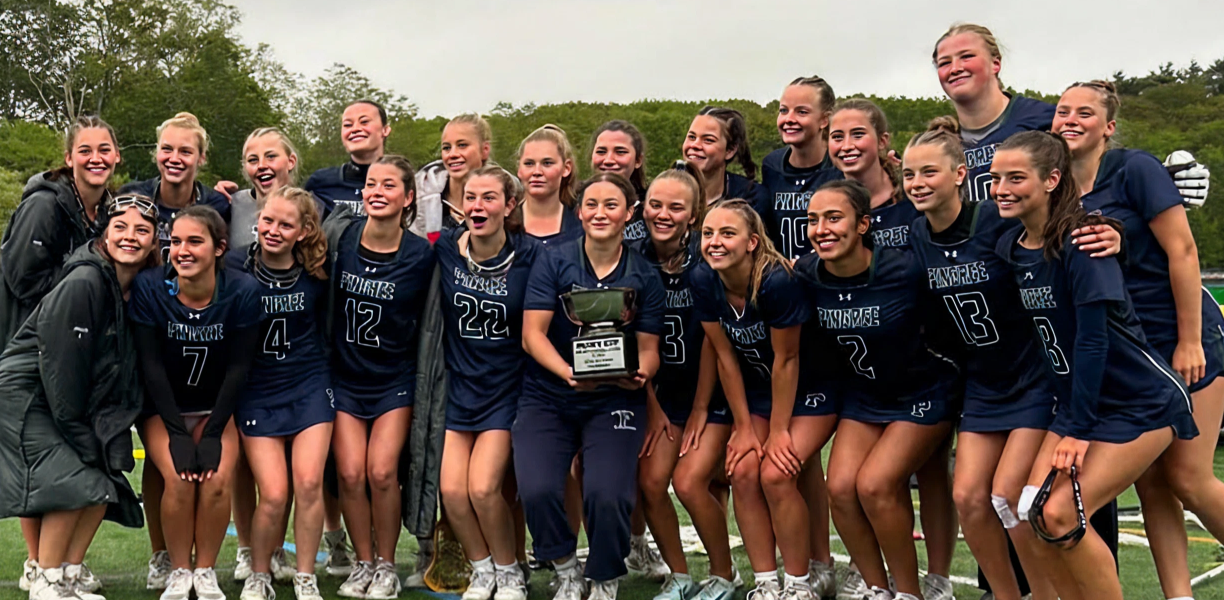
    Pingree School in Massachusetts has made a point to give as much attention to the mental side of their student-athletes as they do the physical.

    This has never been more evident than with the mental skills training programs their successful Girls Varsity Lacrosse Team completed using Optimize Mind Performance through the course of their season.

    Pingree’s Girls Lacrosse Team finished their season with a winning record of 13-5 and claimed the 2025 McCoy Cup (New England Small School Tournament).

    Before the season began Head Coach Lyndsey Raffol made a point to engage with OMP staff and roll out a comprehensive mental performance program across the course of their season

    “I strongly believe that the mental and psychological aspect of sports cannot be overlooked,” Raffol said.

    “OMP provided a terrific resource and platform for our team to develop personal strategies, engage as a team around specific content, and continue to enable us to raise our game.”

    Player Development & Team Growth

    Throughout the season, Pingree’s players and coaches engaged with OMP content.

    Not having a sport psychologist or mental performance coach of their own, the science-backed content in the OMP app proved a valuable tool to develop and strengthen the mental side of Pingree’s student athlete’s performance.

    “The visualization and self-talk exercises were particularly beneficial to our team,” Raffol said.

    “As someone who was new to the head coaching role, there were many sessions within the OMP App that were helpful from a coaching standpoint – insight into leading pre-game speeches, channeling the team’s focus, goal setting, were a sample of the topics I found useful.”

    A Winning Season Fueled by Mental Skills Training

    Pingree – which in November 2024 became the first high school to partner with OMP – claimed a number of notable wins, while a number of players hit personal milestones throughout the season.

    In coordination with OMP’s customer success team, they used the App weekly to sustain growth, maintain motivation and enhance motivation.

    “We worked with the OMP Team to push out weekly content to our Team, focusing on areas that the coaches and the players had identified as topics of interest, challenges to work through, strengths to build and interactive exercises to improve as individuals and as a team,” Raffol said.

    “As a Team, one of the most useful features was the post-game reflections.”

    “This became widely adopted by our Team and was a great way to have the girls self-reflect after a game and help to identify areas for improvement going forward in the season.”

    “The platform itself is easy to use and as a coach provides great data points on where we may need to focus as a team.”

    “The content is relevant to our sport and applicable to our high school students, especially those that are looking to take their game to the next level, playing in college.”

    Looking Ahead

    OMP is excited to continue supporting Pingree’s Girls Varsity Lacrosse Team as they build on their success.

    If your team or organization is looking to prioritize the mental side of their performance, reach out to OMP and book a demonstration of our game-changing platform now – [email protected].