Author: Ryan Miller

  • Explaining the ‘Runner’s High’

    Explaining the ‘Runner’s High’

    Author – Vedika Jogani

    A recent graduate from Ithaca College with a Master’s degree in Sports and Exercise Science, specializing in Mental Performance, Vedika Jogani is OMP’s Product and Content Manager.

    This blog is a summary from Chapter 6 of the book titled, “Contributions to the Practice of Running” written by Dr. Andrea Stamatis.

    Have you ever felt an incredible surge of alertness, joy, mental clarity, and emotional uplift—especially while running?

    This powerful feeling, often described as a “runner’s high,” has captured the attention of athletes and scientists alike.

    But what exactly is runner’s high, and what’s the science behind it?

    Runner’s high isn’t just a myth or a casual term to describe feeling good after a workout.

    In fact, researchers Sachs (1984) and Berger (1996) defined this experience as a euphoric sensation characterized by a deep sense of well-being, heightened awareness of your surroundings, mental clarity, and even a spiritual connection.

    People who experience it often describe feeling a profound appreciation for nature, a sense of timelessness, and even out-of-body experiences.

    The question is: why does this happen, and how can you set yourself up to experience it?

    Research suggests that certain conditions make runner’s high more likely to occur.

    Running for about 30 minutes at a steady pace, especially over longer distances, is key.

    Additionally, fewer distractions, favorable weather conditions, and a calm, rhythmic environment all contribute to setting the stage for this remarkable state of mind.

    But what’s really going on inside the body and brain during runner’s high?

    Several theories rooted in the mind-body connection try to explain this elusive phenomenon:

    1. Brain Hemisphere Dominance: Some researchers believe that dominance of the right hemisphere of the brain may be a factor. This side of the brain is associated with creativity, intuition, and holistic thinking—qualities that align with the heightened sensory awareness and emotional elevation people often report during runner’s high.
    2. Endorphins and Endocannabinoids: Perhaps the most well-known explanation for runner’s high involves the release of endorphins and endocannabinoids—natural chemicals in the brain that act as painkillers. These compounds help to reduce discomfort and pain, while also producing a sense of euphoria.
    3. Flow State Theory: This theory suggests that runner’s high is related to the psychological concept of “flow”—a state of complete immersion and focus in an activity. When you’re in flow, you lose track of time, and your mind and body function effortlessly in sync. For runners, this may explain the deep sense of mental clarity and the positive emotions that accompany the high.

    Runner’s high represents a perfect blend of mind and body in motion.

    It’s more than just a physical experience—it’s a mental and emotional state where discomfort and pain seem to disappear, replaced by feelings of peace, joy, and even transcendence.

    While not everyone experiences runner’s high every time, they lace up their shoes, the right combination of distance, pace, and mental focus can open the door to this exhilarating state.

    So, next time you head out for a run, keep an eye out for that perfect moment when everything clicks—because you might just find yourself chasing that high.
  • The Mental Fallout of Missing a Medal

    The Mental Fallout of Missing a Medal

    Author – Ryan Miller

    Ryan is an award-winning content creator and OMP’s Head of Content.

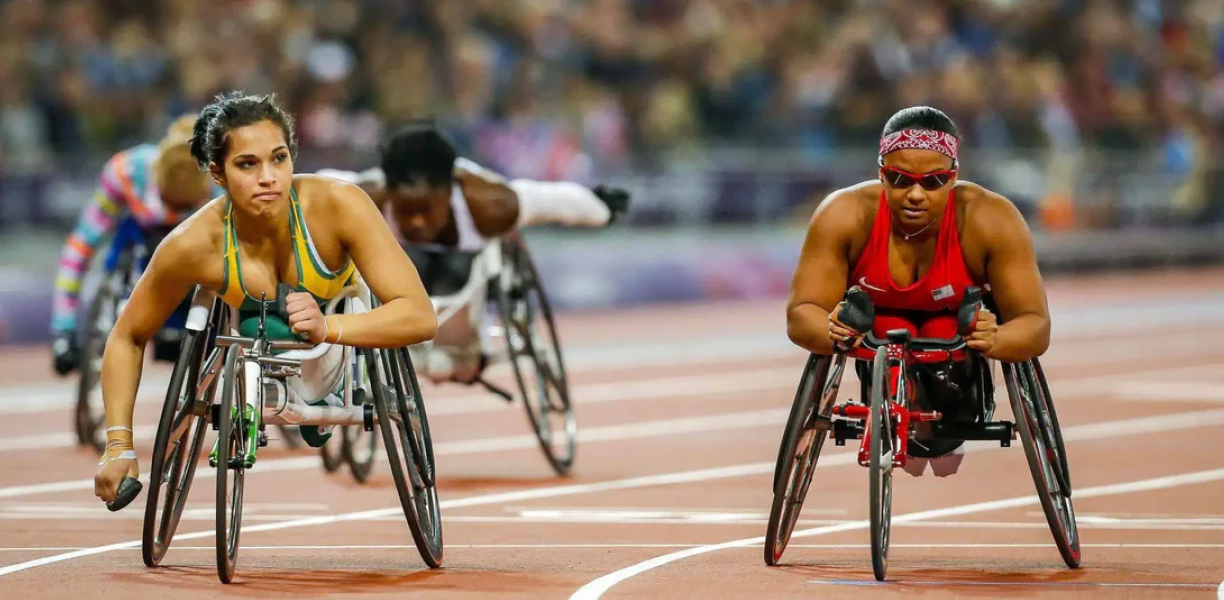
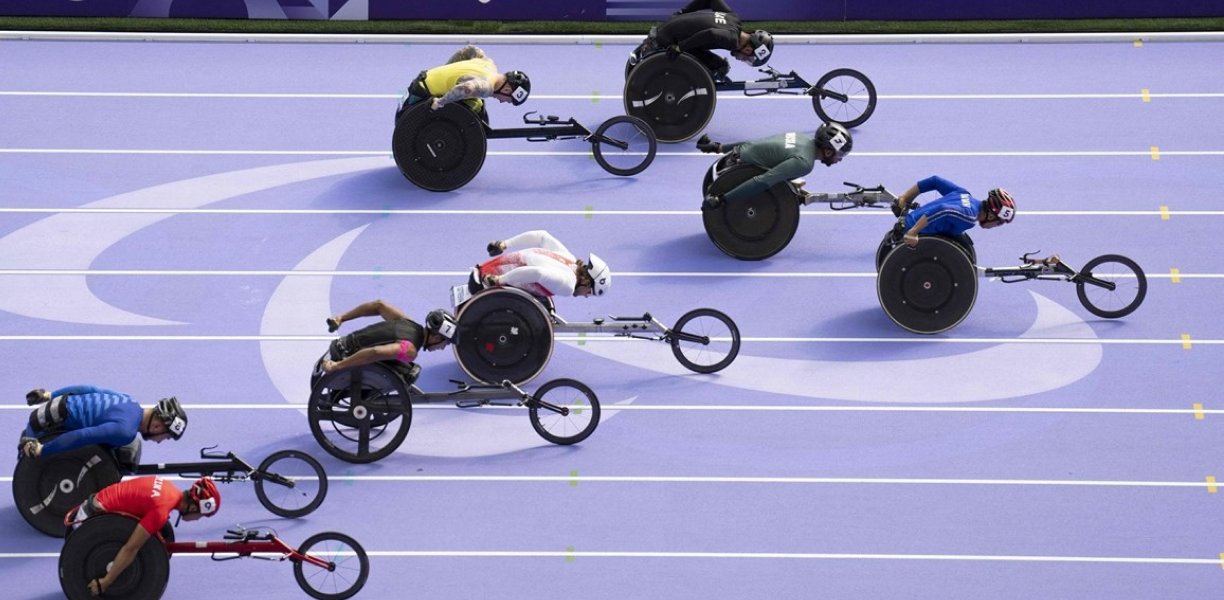
    During the Paralympics, we have seen the heartbreaking moments when an athlete misses out on a medal by the slimmest of margins.

    As with any sport, coming so close to achieving a goal can be heartbreaking.

    So, what goes through the mind of a Paralympian who doesn’t make it onto the podium?

    Speaking to the ABC, Australian Katie Kelly described what these athletes are going through.

    Having won gold in the women’s PT5 paratriathlon in 2016, Kelly finished sixth in 2020.

    “When you don’t get the result, and you’re expecting to podium and you come so close, there is almost a process of grief to overcome that and find a way forward, and I think we’ve seen that with a number of athletes,” Kelly said.

    “To come away without the outcomes you’ve been training for.”

    The long lead into the Paralympics can amplify these emotions.

    When athletes commit to a four-year cycle, the pressure to achieve their goals are heightened and the sacrifices they have to make during those four years can compound feelings of pressure during performance and disappointment when they fail to medal.

    “We talk about athletes when they retire and people are curious about why it’s a struggle for them, and it’s because the competition and the Paralympics is your everything,” Kelly said.

    “You make decisions on a daily basis on how will this impact my training?

    “If I go to that event or a family celebration, I won’t recover and I won’t be able to back up my training.

    ”The demand of professional sports, you can’t underestimate it.”

    The Mental Fallout of Missing a Medal
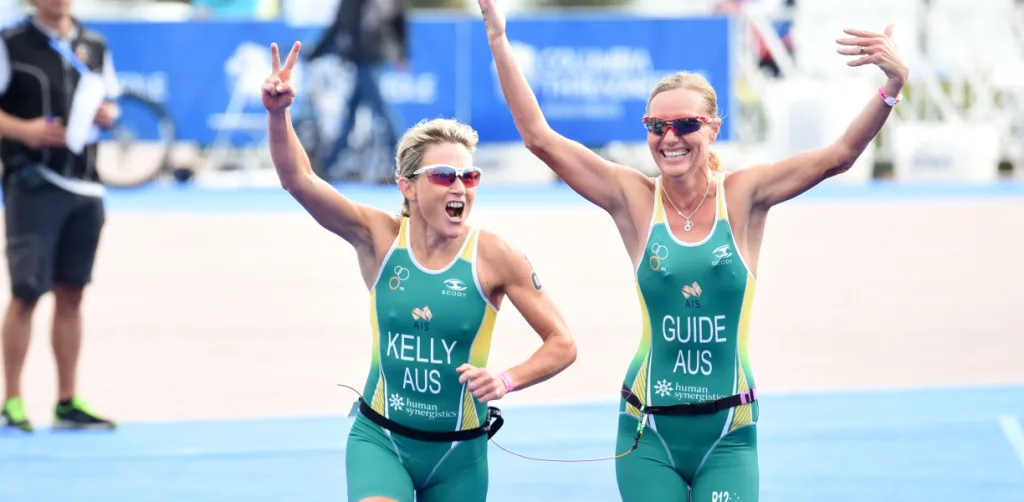
    Katie Kelly with her guide Michellie Jones at the 2016 Rio Paralympics

    A further pressure for certain Para-athletes is when they compete alongside a guide.

    In Kelly’s case she is legally blind and competed with the assistance of another athlete.

    “Certainly, from my own personal experience, I won the gold in Rio and then in Tokyo I came sixth and I was just gutted,” she said.

    “I was upset for my team and my guide. That’s the other thing when you’re competing with a guide or a team you go through that process of ‘have I let my team down’.”

    So how do athletes like Kelly overcome these disappointments?

    The answer from Kelly is two fold – learning and perspective.

    “Sometimes when you get the win, it is a result for the work, but when you don’t get the win it really reveals a lot more about your character and resilience and grit to be able to process that and move forward,” she said.

    ”I think athletes, particularly the Paralympians, have a great perspective on life and the things that matter in life.

    ”It is a beautiful community of individuals who have overcome a lot and understand what true resilience is.”

  • The Mental Skills of a Rising Soccer Star

    The Mental Skills of a Rising Soccer Star

    Author – Ryan Miller

    Ryan is an award-winning content creator and OMP’s Head of Content.

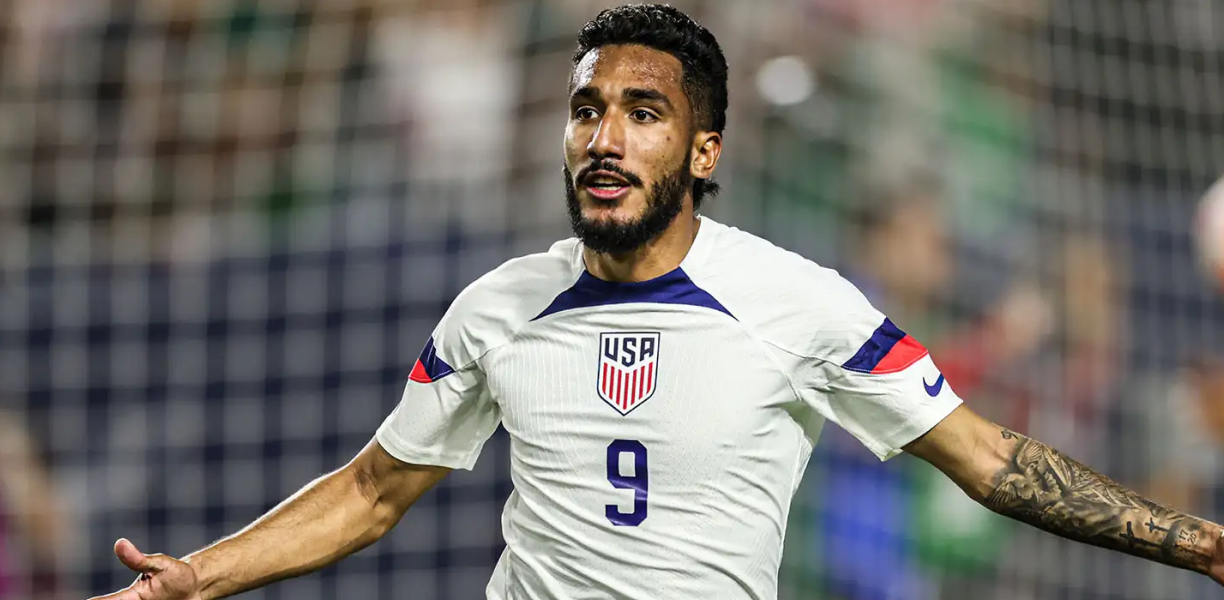
    One of the United States’ brightest soccer talents Jesús Ferreira has given great insights as to what it takes to make it at the highest level.

    He has also shared sage advice for young soccer players following his path to the national team in his Player’s Tribune ‘Letter to the Next Generation’.

    Upon reading his article, the 23-year-old striker has revealed he uses a number of mental skills in dealing with pressure, expectation and setbacks.

    The FC Dallas star also uses the article to speak about how he worked with a sport psychologist following his missed penalty kick during the US’ shootout loss to Panama in the CONCACAF Gold Cup semi-final last year.

    This is what Ferreira’s letter tells us:

    Dealing with Pressure

    Ferreira is the son of a professional footballer. When his father David played at FC Dallas the team won a Conference Championship and he was named the MLS MVP in 2010.

    Jesús was signed to the FC Dallas Academy and being the son of a club great added pressure.

    “It was tough, but from Day One, you’re going to have to learn to deal with pressure and factors outside your control. Use it,” he said.

    Instead of shying away from that pressure, Jesus embraced it and used it to motivate him while also carving out a strong identity for himself.

    This is something that many athletes face when a parent or even both parents are successful athletes.

    The pressure to follow in their footsteps or for their identity to be that they are – in Jesus’ example – “David Ferreria’s son” and not just “Jesus Ferreira” can be overwhelming.

    The key for athletes is to not buy into this and to create their own strong sense of identity.

    Athletes can do this by simply identifying their own values and then holding themselves to the values they set. Living up to their own values and characteristics rather than to that of their parents can ease the burden of carrying a famous name and provide them with a stronger sense of self, leaving them more confident and motivated.

    Patience

    In his letter, Ferreira also details how important a value patience is for up-and-coming athletes.

    After signing his first professional contract in 2016, Ferreira scored in his professional debut as a 16-year-old, becoming the youngest FC Dallas player ever to debut.

    “I signed my first deal and scored on my debut against Real Salt Lake,” he said.

    “At 16, I was on cloud nine. I was like, I’ve arrived. I’ve got this.… What’s next??”

    Next came a testing period for Ferreira missing out on team selection and going on a loan spell.

    This can happen to many athletes. Once they are drafted, sign a professional contract or taste some success early in their careers they think they have made it.

    Athletes who experience this can experience a loss of motivation which leads to poor performance.

    They may have the same level of motivation but suddenly they go through a poor run of form are left out of a team, suffer an injury and as a result lose confidence.

    For some young athletes this can be the beginning of the end and before they know it they are out of professional sport.

    Athletes can easily address this by ensuring they have a strong support network around them – a family member, friend, teammate or coach that they can speak to when they are going through a rough patch.

    These are the people that can lift spirits when they are low but also ensure that athletes maintain a level head when they are at their best.

    Another key thing for young athletes to do to maintain their confidence is to train at a high level

    Maintaining confidence is crucial for young athletes, and one of the best ways to do that is by consistently training at a high level. By pushing themselves during practice, they not only refine their skills but also build a solid foundation of self-belief. This kind of training prepares them for the intensity of competition, making them more resilient under pressure and boosting their confidence when it matters most.

    Self-talk plays a vital role in this process. By using positive and constructive self-talk, athletes can reinforce their confidence and stay focused on their goals. For instance, reminding themselves of their strengths or repeating key phrases can help them maintain a strong mindset, especially during challenging moments. Combined with high-level training, this mental strategy can help athletes stay composed, adapt to game pressures, and perform at their best when it counts

    Visualization is a powerful tool that significantly enhances the effects of high-level training. Research indicates that when athletes engage in visualization, it activates the same parts of the brain that are involved during actual physical performance. This mental practice allows athletes to vividly imagine themselves successfully executing specific skills and overcoming challenges. By repeatedly visualizing these scenarios, they can mentally rehearse various outcomes, reinforcing their confidence and sharpening their ability to perform under pressure. This process not only helps them build a strong sense of self-belief but also prepares them for competition with a clearer, more focused mindset, ensuring they are mentally equipped to handle the demands of their sport.

    Control the controllables

    This phrase has become somewhat overused in elite sport, but that’s because it’s an important reminder that athletes can only influence their own performance and as a result that is where their focus should be.

    Ferreira explains that his when his focus was on results or anything other than his own physical efforts his overall performance dipped.

    “I remember in the months leading up to the World Cup in Qatar, I was so desperate to make that squad.,” he said.

    “There was a lot of talk about me, and I felt this pressure. I would get in my own head before every game, like I HAVE to score today. I HAVE to assist.

    “I went the first three games of the season with zero. I was so focused on the ball going in the back of the net that I wasn’t really thinking about how I could help the team.”

    Many athletes can fall into this trap. They are sidetracked by the goals they set for themselves rather than the process that will help them achieve them.

    Athletes can ensure they remain focused on the task at hand by using self-talk statements, have performance cues written down on their equipment or clothing, set process and performance goals and finally use breathing exercises to refocus when they find their attention slipping.

  • Melbourne United Partner with OMP

    Melbourne United Partner with OMP

    Australian professional basketball team Melbourne United has partnered with Optimize Mind Performance.

    The six-time National Basketball League champions finished runners up in 2023/24 and will use OMP’s game-changing platform as they look to go one step further in 2024/25.

    Melbourne United is the second professional team to sign a partnership with OMP following NRL team the Cronulla-Sutherland Sharks.

    United’s current squad includes three NBA Champions in Mathew Dellavedova (Cleveland Cavaliers – 2016), Ian Clark (Golden State Warriors – 2017) and Jack White (Denver Nuggets – 2023).

    “We are delighted that Melbourne United has partnered with us to deliver mental performance programs to some of Australia’s current and future basketball stars,” OMP Founder & CEO Jack Preddey said.

    “It is exciting that an organization of United’s stature has chosen to prioritize the mental side of their athlete’s performance, and we’re looking forward to helping them deliver programs that will assist them in the upcoming NBL season.”

    Steve McAdam, Melbourne United High Performance Manager:

    “Melbourne United is excited to partner with Optimize Mind Performance for the upcoming season.

    “With excellence a key value of the club, we are continually looking for ways to drive improvements, particularly in the field of high performance.

    “By partnering with Optimize Mind Performance, it will add to our team’s ability to work toward our ultimate goal of winning another NBL Championship.”

    Contact the OMP Team
    US: +1 617 608 7967 | AUS: 0419 926 089 | [email protected]

  • OMP Sign Agreement with Stanford Athletics

    OMP Sign Agreement with Stanford Athletics

    Optimize Mind Performance has signed an agreement with Stanford Athletics, one of the most successful collegiate sporting organizations in the United States, for the university to use OMP’s game-changing mental performance platform.

    Stanford has won a record 136 NCAA team championships, and its Sport Psychology team will use OMP’s platform to assist current and future Cardinal champions with the mental side of their performance.

    “Optimize Mind Performance is delighted that Stanford’s storied athletic department has chosen us to assist them in delivering their mental skills programs,” OMP CEO and Founder Jack Preddey said.

    ”Stanford Athletics Sport Psychology team led by Dr. Kelli Moran-Miller and Dr. Sonali Wason is one of the leaders in the field and we look to being part of their athletes’ elite training regime.”

    Contact the OMP Team
    +1 617 608 7967 | [email protected]

  • Mental Imagery with Visually Impaired Athletes

    Mental Imagery with Visually Impaired Athletes

    Authors – Vedika Jogani

    A graduate from Ithaca College with a Master’s degree in Sports and Exercise Science, specializing in Mental Performance, Vedika Jogani is OMP’s Product and Content Manager.

    The Paris 2024 Olympics showcased a significant shift in focus, with many athletes emphasizing mental skills as a crucial part of their performance strategy.

    Visualization.

    Australian Jessica Fox, who won two golds in canoeing at the Paris Games, uses visualization before she competes, while US gymnast Stephen Nedoroscik became a viral star for his visualization routine that he used before winning two bronze medals.

    When we think of visualization, we often associate it solely with the visual sense.

    But have you ever wondered how visually impaired athletes harness this powerful tool to enhance their performance?

    Research has consistently demonstrated that visualization boosts physical performance by aiding skill development and activating brain regions as if the individual were actually competing.

    However, much of this research has traditionally focused on the visual aspect of imagery.

    Yet, visualization is a multi-sensory experience, encompassing kinesthetic, spatial, tactile, auditory, olfactory, and emotional components.

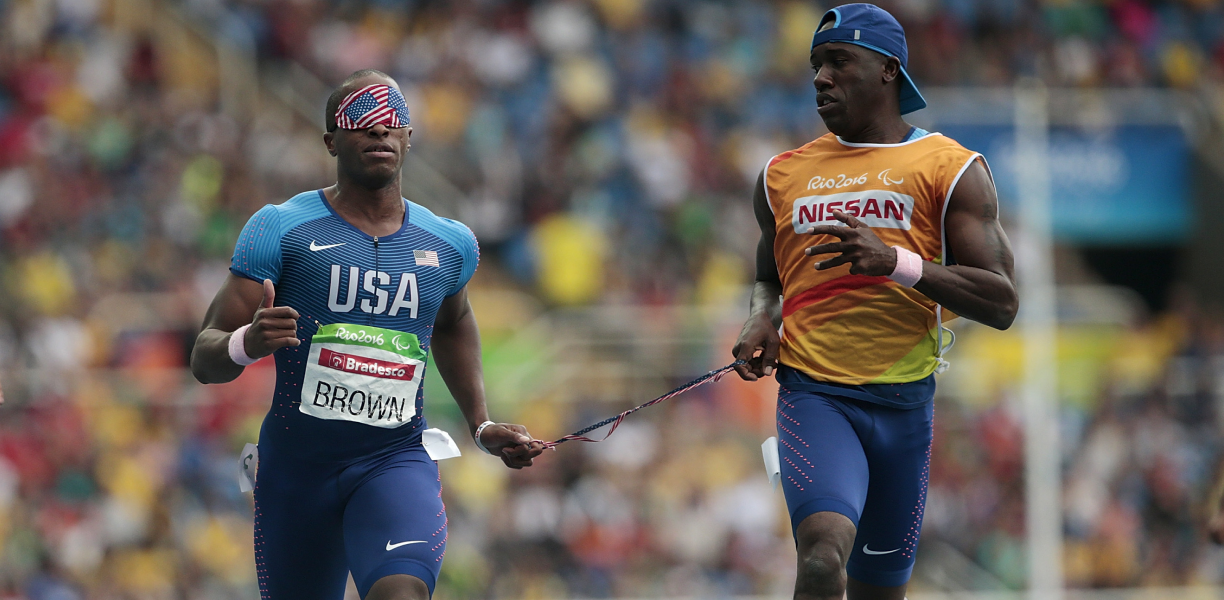
    A qualitative study conducted on six goalball athletes — who are visually impaired — explored how they process and utilize mental imagery during training and competition.

    The study found 4 main findings:

    1. Internal Perspective

    Visually impaired athletes predominantly use an internal perspective, imagining the experience from within their own bodies.

      This allows them to fully engage with the physical sensations and movements, creating a realistic mental rehearsal that closely mirrors actual performance.

      This approach helps in refining motor skills and improving muscle memory.

      2. Multi-Sensory Imagery

      Their imagery is multi-sensory, engaging all available senses like touch, sound, and spatial awareness.

      By incorporating these various sensory inputs, athletes create a more vivid and comprehensive mental experience.

      This multi-sensory approach aligns with research showing that the most effective imagery involves as many senses as possible.

      3. Use of Cognitive and Motivational Imagery

      Athletes use cognitive imagery to rehearse specific skills and strategies, while motivational imagery helps manage emotions like stress and anxiety.

      This dual approach allows them to mentally prepare both technically and emotionally, ensuring they are ready to perform at their best under pressure.

      4. Timing of Imagery

      Imagery is used both before and during competition, integrating mental preparation directly with performance.

      This timing ensures that athletes are mentally primed for action and can maintain focus and composure throughout their events.

      It helps them transition smoothly from mental rehearsal to physical execution.


      Visual impairment does not limit an athlete’s ability to engage in mental imagery.

      Instead, it underscores the importance of a holistic approach that includes all sensory modalities.

      Imagery is a powerful psychological tool that athletes can use to reach their peak performance.

      By incorporating mental imagery into their training, visually impaired athletes can enhance their skills, maintain focus, and perform at their best on the world stage.

    1. Six Steps to Mentally Prepare for the Paralympics

      Six Steps to Mentally Prepare for the Paralympics

      Authors – Vedika Jogani

      A recent graduate from Ithaca College with a Master’s degree in Sports and Exercise Science, specializing in Mental Performance, Vedika Jogani is OMP’s Product and Content Manager.

      The 2024 Paralympic Games in Paris are almost here.

      Since the games first took place in 1960, there has been a growing interest in how Paralympic athletes prepare for their sports.

      This has led sport psychologist to question whether the same mental skills used for able-bodied athletes can be applied to athletes with different abilities.

      A study on a women’s national goalball team in Denmark introduced a comprehensive six-step mental skills training program tailored for high-performance athletes with disabilities.

      This program addresses the unique challenges these athletes face and provides a framework for enhancing mental toughness, communication, and overall team cohesion.

      Step 1: Meeting with Coaches and the Association

      In the initial phase, coaches identified specific areas needing improvement, such as routines, communication, and team dynamics.

      The focus was on fostering honest communication, addressing individual needs, and creating a psychologically safe environment.

      This foundation is crucial for building trust and ensuring that the athletes feel supported as they work toward their goals.

      Building confidence by consistently highlighting past successes and personal strengths can significantly boost athletes’ self-belief, which in turn reinforces their commitment to the team and enhances their overall performance

      Step 2: Initiation of the Plan

      The sport psychology consultant led off-court sessions without the coaches, giving athletes the space to openly discuss the challenges they face both individually and as a team.

      This phase aimed to empower athletes to address their difficulties and develop strategies for overcoming them.

      The skills learned were then applied to on-court drills, ensuring a seamless transition from theory to practice.

      Strengthening team cohesion and motivation by setting personal and collective goals, while reinforcing the importance of collaboration and mutual support, can be highly effective

      Step 3: Maintaining the Process and Motivation

      In this phase, the team evaluated the progress made in previous sessions.

      Discussions centered around maintaining motivation, improving communication, and addressing any new challenges that arose.

      The focus was on sustaining momentum and ensuring that the team remained committed to their mental and physical training routines.

      Celebrating small victories and providing regular feedback helps keep motivation high, maintaining focus and drive over time

      Step 4: Arousal and Preparation for Competition

      This phase concentrated on what it takes to deliver a strong performance.

      The team discussed effective preparation, pre-competition routines, and mental arousal techniques.

      Emphasis was placed on transferring skills learned in training to actual game situations.

      Managing arousal levels and optimizing performance through techniques like breathing exercises, mindfulness, and mental rehearsal can enhance focus and composure under pressure

      Step 5: Creating a Winning Mentality

      The focus here was on developing a winning mentality.

      The team explored what constitutes a winning mindset, what actions and behaviors contribute to it, and how to cultivate it consistently.

      This step is essential for building resilience and a competitive edge.

      Reinforcing a growth mindset by encouraging athletes to view challenges as opportunities for growth fosters resilience and helps maintain a competitive edge

      Step 6: Final Preparation

      As the team approached the championships, this phase focused on individual preparation.

      Athletes reviewed their personal routines, mental strategies, and physical training plans to ensure they were fully prepared for the competition ahead.

      Fine-tuning preparation to ensure peak performance involves refining mental strategies and adjusting routines to meet individual needs.


      While each team and athlete are unique, and the steps may vary, the six-step program used by a women’s national goalball team in Denmark highlights the critical role of psychological training and preparation.

      Tailored mental skills strategies are crucial for addressing individual needs and enhancing performance, demonstrating that thoughtful psychological preparation can significantly boost outcomes across diverse athletic contexts.

    2. Games Over – What’s Next for Athletes?

      Games Over – What’s Next for Athletes?

      Authors – Vedika Jogani

      A recent graduate from Ithaca College with a Master’s degree in Sports and Exercise Science, specializing in Mental Performance, Vedika Jogani is OMP’s Product and Content Manager.

      For many athletes, representing their country on the world stage is a lifelong dream, and there’s no greater honor than competing in the Olympics.

      They dedicate years of intense training, with all their efforts focused on one goal: winning a gold medal.
      But once the medals are awarded, and the ceremonies conclude, what happens next?

      The reality is that many athletes experience a profound emotional letdown known as post-Olympic depression.

      This occurs when the excitement and intensity of the games give way to an emotional crash, as athletes struggle to adjust to life after reaching a physical and mental peak.

      Post-Olympic depression can manifest as confusion, a loss of purpose, resentment, negative self-worth, and a deep sense of emptiness.

      For those retiring from their sport, there’s an added layer of uncertainty and a fear of the unknown.

      Transitioning from a life filled with structured training, media campaigns, and abundant resources to a quieter, less structured existence can be daunting.

      So, how can athletes ensure a smoother transition into post-Olympic or post-competitive life?

      Set New Goals and Pursuits
      After achieving a major milestone like representing your country at the Olympics, setting new goals can provide direction and motivation.

      These goals do not have to be athletic, they can involve personal development, career aspirations or community involvement.

      Exploring new passions and interests can give athletes a renewed sense of purpose and excitement.

      By focusing on new objectives, athletes can challenge their energy into productive and fulfilling activities, helping to ease the transition and maintain a sense of achievement and progress.

      While the end of an Olympic journey can bring significant emotional challenges, athletes can take steps to ensure a positive transition.

      By broadening their identities and staying connected to supportive networks, they can find new purpose and joy in life beyond the sporting spotlight.

      Embrace a Broader Identity:
      It’s crucial for athletes to proactively cultivate aspects of their identity beyond sports.

      While athletic accomplishments are a significant part of their lives, they are also friends, siblings, parents, and more.

      By nurturing these other roles, athletes can create a well-rounded sense of self that offers fulfillment beyond the athletic arena.

      Emphasizing these identities helps athletes look forward to new chapters in their lives.

      Maintain Connections and Routines:
      Staying connected with teammates and continuing physical activities can provide a comforting sense of continuity.

      Engaging in regular exercise not only maintains physical health but also offers psychological benefits, such as improved mood and stress relief.

      Familiar routines and social connections can anchor athletes during the transition, helping them navigate the changes with greater ease.

      Seek Professional Support
      The transition after an Olympic career can be emotionally and psychologically challenging.

      Seeking support from mental health professionals who specialize in sport psychology of life transitions can be incredibly beneficial.

      These professionals can help athletes process experiences, manage their emotions and develop strategies for navigating this new phase of life.

    3. Anna Cockrell Overcomes Mental Hurdles

      Anna Cockrell Overcomes Mental Hurdles

      Authors – Vedika Jogani & Ryan Miller

      A recent graduate from Ithaca College with a Master’s degree in Sports and Exercise Science, specializing in Mental Performance, Vedika Jogani is OMP’s Product and Content Manager.

      Ryan Miller is OMP’s Head of Content and is an award-winning Broadcaster, Journalist and Photographer.

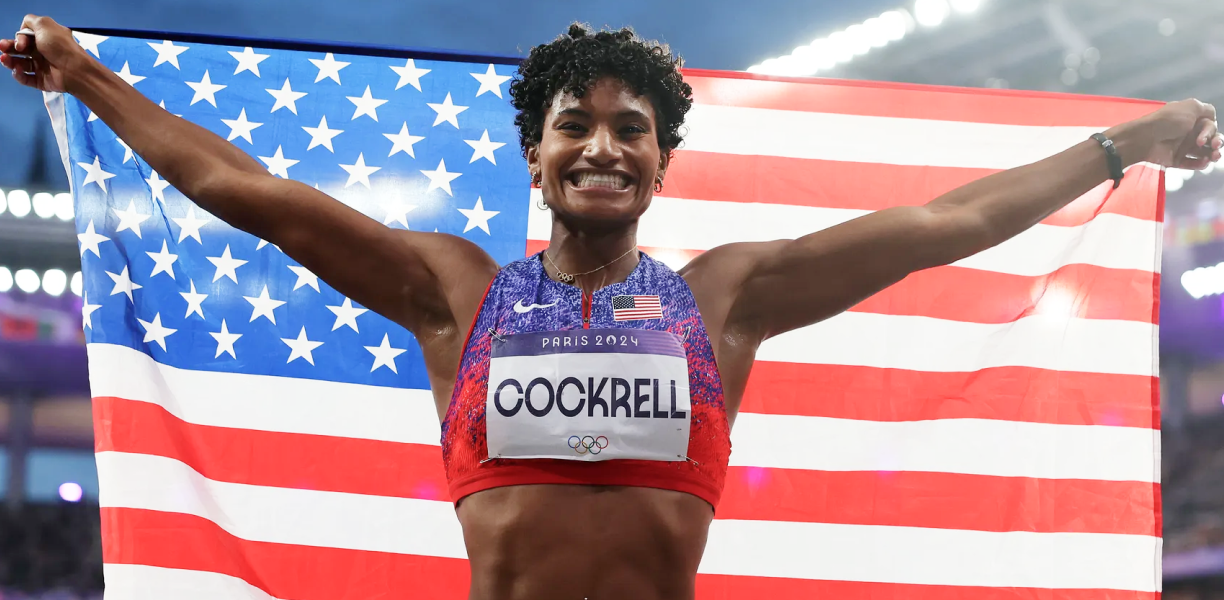
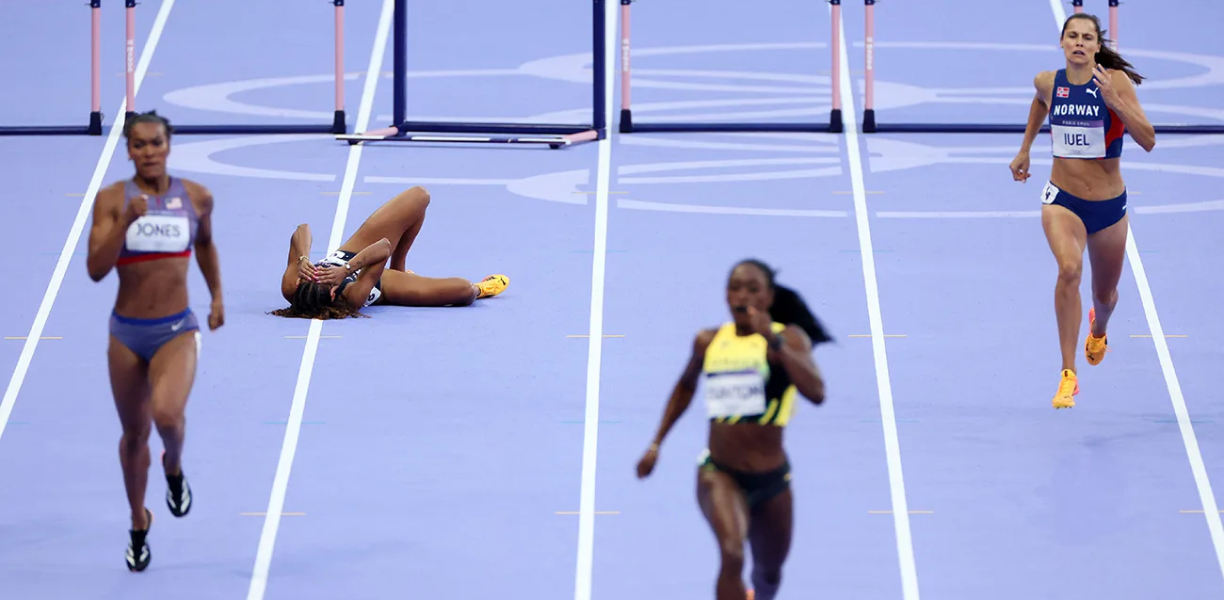
      Anna Cockrell has powered herself to Silver in the final of the Women’s 400m hurdles in Paris.

      The 26-year-old product of the USC Trojans Track & Field program had to overcome many obstacles in pursuit of Olympic glory.

      Cockrell has been open in speaking about her mental health, a combination of sporting failure and personal loss left her depressed.

      Her journey reveals a set of key mental performance skills she has developed and utilized to navigate some of the challenges she faced from a sporting perspective.

      Cockrell’s 2021 Letter to My Younger Self in The Players’ Tribune revealing how her mindset has changed.

      • Self-Compassion & Self-Reflection: Anna Cockrell’s journey transformed her from being overly self-critical to embracing self-compassion.

        She learned to recognize her limits and forgive herself, even after setbacks like dropping the relay baton. This shift helped her maintain a healthier mindset.

      • Resilience & Adversity: Despite facing major personal losses and athletic setbacks, Anna demonstrated incredible resilience.

        She kept her focus on her goals, showing the mental toughness needed to perform under pressure. Her story is a testament to perseverance and strength.

      • Identity Beyond Athletics: The pandemic allowed Anna to spend quality time with her family, helping her realize she is more than just an NCAA athlete.

        Embracing other aspects of her identity, like being a daughter and sister, she learned, “If track doesn’t work out, there’s more to life than this.”

      • Focusing on Positives: Anna shifted her focus to gratitude, finding true happiness in the process.

        By celebrating her successes and being thankful for the journey, she cultivated a more positive outlook on life.

      • Seeking Support & Maintaining Relationships: Recognizing she wasn’t alone, Anna reached out for support.

        She connected with a sports psychologist, friends, coaches, and teammates, building a strong support network. This step was crucial in her journey towards mental well-being.

      Anna Cockrell’s journey illustrates the power of mental performance skills in overcoming challenges in sports and life.

      Her experiences with self-compassion, resilience, a broader identity, positivity, and seeking support highlight the importance of maintaining mental and emotional well-being.

      These skills have been key to her success and fulfillment, reminding us that true success goes beyond athletic achievements.

    4. Dealing with Olympic “Failure”

      Dealing with Olympic “Failure”

      Authors – Vedika Jogani

      A recent graduate from Ithaca College with a Master’s degree in Sports and Exercise Science, specializing in Mental Performance, Vedika Jogani is OMP’s Product and Content Manager.

      While we celebrate the medal winners and their success in Paris, what about those who don’t make it to the podium?

      Olympians train for years, striving to qualify, gain funding, and finally compete on the world’s biggest stage for their country.

      Some may fall just shy of a medal (which is often said to be worse than finishing last), suffer an injury that ends their games early, perform below their own or external expectations or experience an embarrassing failure on the world stage.

      Regardless of the setback or perceived failure, these athletes can become self-critical and lose motivation.

      These feelings can linger and if athletes don’t start to process their emotions, they can also become depressed.

      Here are some simple ways that athletes can overcome these feelings:

      1. Celebrate The Wins

        Qualifying by being amongst the best in your country is no small feat.

        Athletes should remind themselves of all the sacrifices and achievements they’ve made to make it to the Olympics.

        Reflect on the progress they’ve made, obstacles overcome, and the dedication it took to get this far.

      2. Rest and Process

        Athletes should take time to process their emotions.

        They can use a journal to express their thoughts and feelings, and use mindfulness techniques to fully acknowledge and feel emotions.

        Athletes should allow themselves to experience and understand their feelings without judgment and give themselves space to heal and reflect on their journey.

      3. Change Relationship with Failure

        Athletes shouldn’t judge themselves solely based on the outcome. They should reflect on their behaviors and values displayed during the process.

        Did they demonstrate perseverance, sportsmanship, and dedication?

        They should give themselves permission to view failure from a different perspective, focusing on personal growth and the lessons learned.

      4. Embrace Identity

        These athletes need to remember that they are more than just an athlete and should acknowledge and celebrate their other identities.

        Once the games are over, they should explore interests outside of sports, strengthen relationships with family and friends, and recognize the diverse roles they play in other’s lives. Embracing these aspects can help create a more balanced and fulfilling sense of self.

      5. Seek Help and Move Forward

        Athletes should reach out to loved ones for support, to help process their emotions, and consider professional help to guide them through this challenging time.

        Whether it’s talking to a sports psychologist, mental performance coach or seeking advice from a mentor, athletes should surround themselves with a supportive network can provide the encouragement and perspective needed to move forward.

      Dealing with failure after the Olympics can be incredibly challenging, but it’s also an opportunity for growth and self-discovery.

      By celebrating their achievements, processing emotions, changing relationship with failure, embracing identity, and seeking support, athletes can navigate this difficult period and emerge stronger.

      Remember, your journey as an athlete is just one part of your story, and every setback is a steppingstone to greater resilience and personal development.