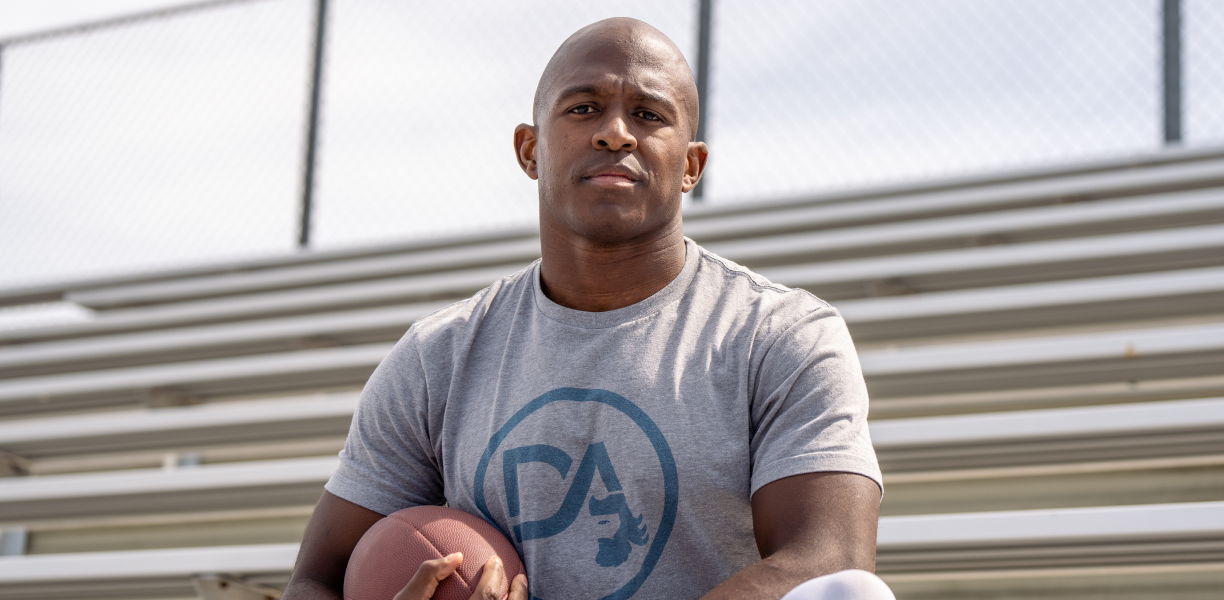
Author: Ryan Miller

  • Study Finds Pressure Creates Diamonds in Sport

    Study Finds Pressure Creates Diamonds in Sport

    Authors – Vedika Jogani & Ryan Miller

    A recent graduate from Ithaca College with a Master’s degree in Sports and Exercise Science, specializing in Mental Performance, Vedika Jogani is OMP’s Product and Content Manager.

    Ryan Miller is an award winning content creator and OMP’s Head of Content.

    You’ve heard the term pressure creates diamonds. The same can be said when it comes to sport according to a new study from researchers in the UK.

    Pressure and performance in sports have long been intertwined, with the common belief that pressure tends to impair one’s abilities.

    However, a 2024 study by researchers from the University of Birmingham and Bangor University showed that pressure actually has the potential to enhance performance.

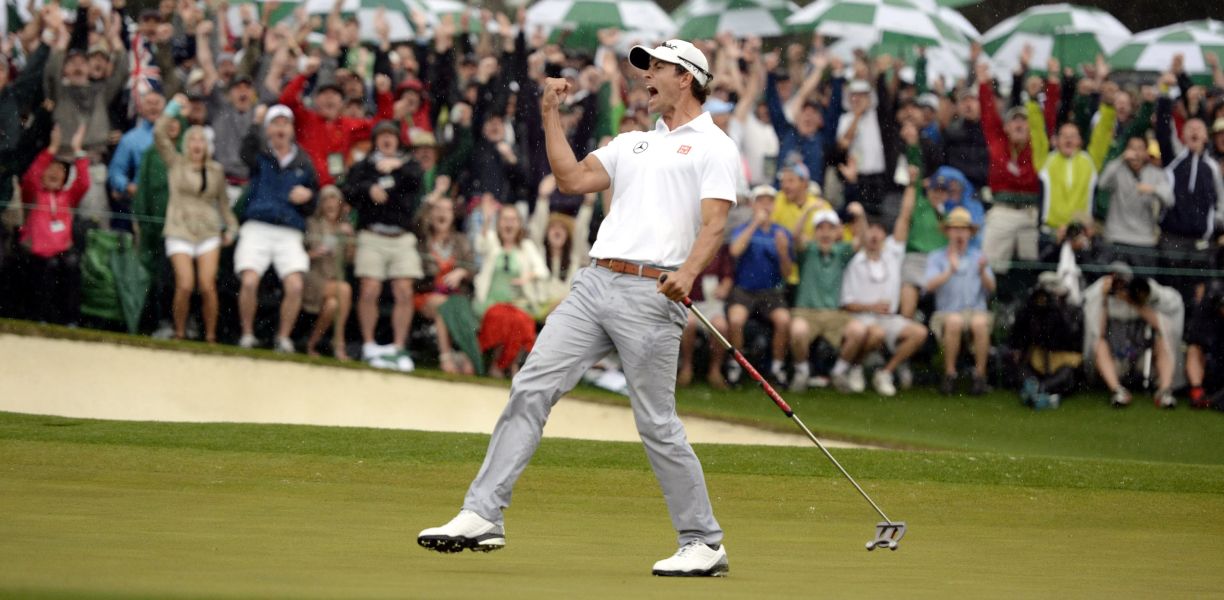
    The study saw 81 novice golfers attempting a putt under different pressure conditions.

    These conditions included time constraints, increased difficulty, video observation, team participation, goal setting, experiencing fame or shame, and distraction.

    The aim was to uncover the psychophysiological effects of pressure on performance.

    The study’s results were categorized into performance outcomes, psychological responses, physiological reactions and kinematic responses.

    The Findings

    Performance Outcomes

    Contrary to the conventional wisdom, the results demonstrated that performance was adversely affected by time constraints and increased difficulty, but surprisingly improved under team, goal setting, and shame conditions compared to a control setting. 

    Psychological Responses

    The participants reported higher perceived pressure and effort in almost all pressure conditions, except distraction.

    Conscious processing, a measure of cognitive focus, increased in all conditions except distraction and time constraint.

    These findings challenge the assumption that pressure uniformly hampers psychological responses.

    Physiological Reactions

    Heart rate increased significantly under time pressure, team participation, experiencing fame, and shame.

    However, heart rate variability and muscle activity exhibited diverse patterns, with no clear correlation to specific pressure conditions. 

    Kinematic Responses

    Analyzing the movement of the putter provided intriguing insights.

    Under certain pressure conditions, participants exhibited slower and more controlled swings, while in time-pressure situations, the swing became faster. 


    Recognizing the nuanced effects of pressure on performance can empower athletes and coaches to craft training plans that deliberately incorporate these conditions, fostering an environment conducive to improved overall performance. 
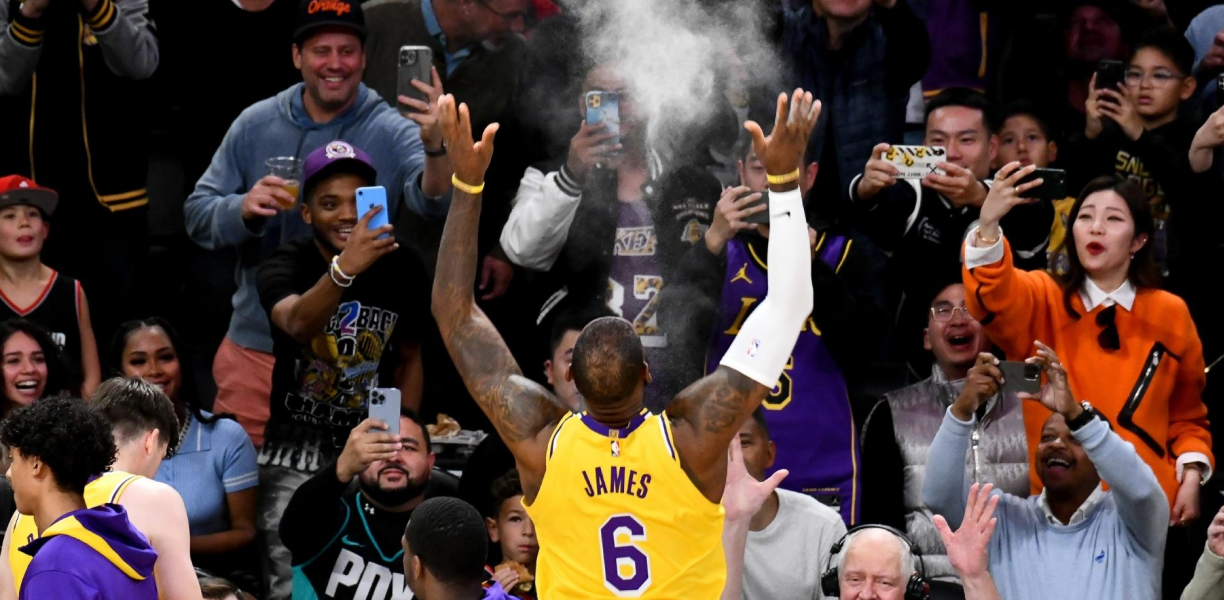
  • Study Finds Ritualized Behavior Enhances Performance in Athletes

    Study Finds Ritualized Behavior Enhances Performance in Athletes

    In the world of sports, the pregame rituals of athletes have long been observed with curiosity.

    Have you ever seen tennis star Rafael Nadal adjusting his bottles and pulling his shorts up before every point? Australian cricketer Steve Smith adjusting his batting equipment before each ball? Or basketball great LeBron James throwing chalk dust before each game?

    A 2023 study by Chinese researchers from the Southwestern University of Finance and Economics and Beijing Sport University revealed that ritualized behavior significantly enhances performance in tasks designed to evaluate inhibitory self-control.

    Psychological research views ritualized behaviors as characterized by repetition stereotyping, and rigidity.

    Researchers have identified three core components of ritualized behaviors – process like/structed (physical), symbolic (psychological) and lack of directly instrumental purpose.

    Contrary to conventional wisdom that dismissed ritualized behavior as mere compulsive actions, emerging research suggests that these rituals play a vital role in the athlete’s mental and physical preparation.

    These actions are known as ‘pre-game boosters’. The distinction lies in the transformative power of rituals, morphing them from mere habits to potent tools that boost performance.

    It’s not about superstition; it’s about a deliberate and strategic approach to optimizing self-control and overall athletic prowess. 

    Digging into the psychology behind the phenomenon, it becomes apparent that the psychological features of ritualized behavior are crucial contributors to its impact on inhibitory self-control.

    The mental preparation, focus, and discipline ingrained in the ritual become powerful allies for athletes, particularly in moments that demand restraint and precision.

    Understanding these psychological underpinnings provides a roadmap for athletes and coaches looking to harness the full potential of ritualized behavior. 

    The synergy between physical and psychological attributes emerges as a game-changer.

    The combination of a well-choreographed ritual and the specific demands of the athletic task seems to produce the most significant benefits.

    This dual approach signifies that the mind-body connection is at the heart of optimal athletic performance.

    Athletes are not merely engaging in rituals for the sake of tradition; they are strategically aligning their mental and physical faculties for peak performance. 


    In conclusion, pregame rituals are more than superstition; they are deliberate tools for optimizing self-control and athletic performance.

    Recent research highlights the transformative power of ritualized behavior, demonstrating its strategic role in enhancing inhibitory self-control.

    The psychological aspects, such as mental preparation and focus, contribute significantly to the ritual’s impact.

    Ultimately, the synergy between physical and psychological attributes emphasizes the crucial role of the mind-body connection in achieving peak athletic performance. 

  • The Emotional Nuances of Representing Your Country

    The Emotional Nuances of Representing Your Country

    Author – Vedika Jogani

    A recent graduate from Ithaca College with a Master’s degree in Sports and Exercise Science, specializing in Mental Performance, Vedika Jogani is OMP’s Product and Content Manager.

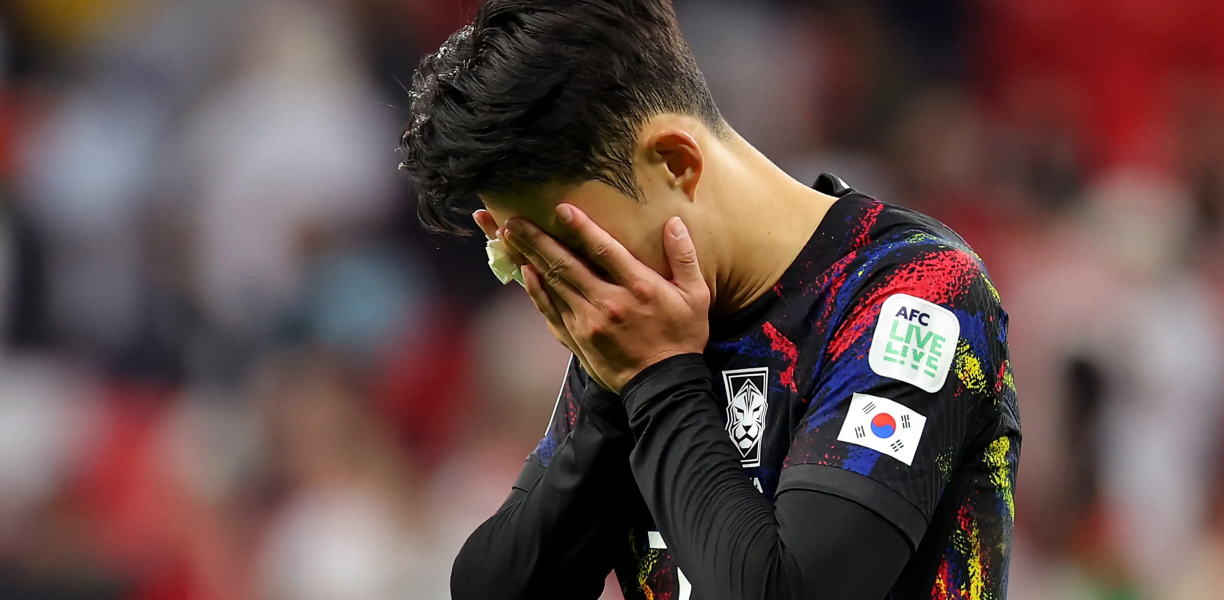
    Amidst the fervor of the Asia Cup and AFCON Cup, athletes temporarily set aside their club duties to proudly represent their nations. 

    Beyond the routine of club football, playing for one’s country taps into a profound aspiration.

    Bundesliga player Serhou Guirassy captures this sentiment, stating, “You don’t have much better than playing for your country”.

    Soccer players, deeply entrenched in club dynamics, grapple with intriguing questions about identity and motivation when transitioning to the international stage. 

    Delving into the psychological facets of this shift reveals the emotional nuances that make playing for one’s country an exceptionally cherished experience. 

    1. Embodying one’s national colors is an immersion in a profound sense of national pride and identity. Players forge a deep connection with their homeland, engaging in a pursuit that transcends individual achievement.

      As expressed by David Luiz in a post-game interview during the 2014 Brazil World Cup, “I just want to bring happiness to these people; my people have suffered so much with other things.”

      The players’ commitment extends beyond personal aspirations, becoming a heartfelt endeavor to uplift and bring joy to their fellow citizens. 

    1. Pressure and Expectations: Playing for the country of one’s upbringing introduces an additional layer of pressure from the fans, media, and the entire nation.

      This heightened expectation can exert significant psychological stress on athletes, potentially impacting their performance.

      The weight of representing not just themselves but an entire nation amplifies the stakes, making the psychological toll an evident aspect of the athlete’s journey on the international stage 

    So, how can soccer players manage these expectations? By: 

    1. Reconnecting with Their Purpose: Reflecting on the essence of why they engage in the sport—what brings them the utmost joy and fulfillment. 
    1. Embrace Pressure as a Privilege: Shift the perspective on pressure by framing it as a privilege rather than a burden.
      Remind players that representing their country is an honor and an opportunity to showcase their skills on a grand stage. 
    1. Focus on Process, Not Outcome: Emphasize the importance of focusing on the process rather than fixating on the outcome. Encourage players to concentrate on their roles, responsibilities, and the execution of their skills rather than dwelling on external expectations. 

    In conclusion, playing for your country is like telling a story woven with national pride, identity, and the mix of pressure and expectations.

    For athletes, it’s about going back to why they love the game, seeing pressure as a unique opportunity, and keeping their eyes on the journey, not just the end. 

  • Mentally Preparing for a Super Bowl

    Mentally Preparing for a Super Bowl

    This week the eyes of the sporting world turn to Las Vegas as the Kansas City Chiefs and San Francisco 49ers face off in Super Bowl LVIII.

    It is a rematch of the Super Bowl LIV which saw the Chiefs beat the 49ers 31-20.

    For some 49ers players, it will be a chance at redemption, for the Chiefs it will be their fourth Super Bowl in five years and a chance for a third Super Bowl ring.

    For some players on both sides, like 49ers quarter back Brock Purdy, it will be their first time stepping onto the grandest stage in sport.

    So how do they prepare for it?

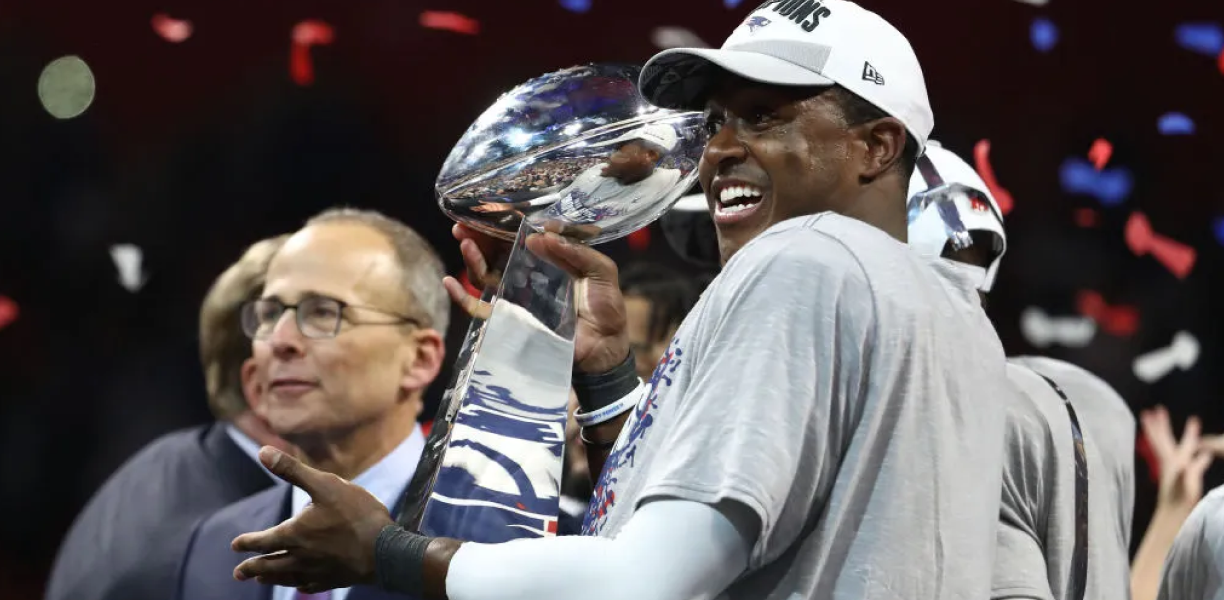
    Matthew Slater, the New England Patriots great and three-time Super Bowl Champion gives his insights as to how he handled his first Super Bowl appearance and how he used failure to power him on to success.

    The following excerpts come from his course Gunning for Success available now in the OMP app.

    Mindset

    My mindset headed into my first Super Bowl in 2012 changed the mindset I had for the remaining four appearances.

    Heading into my first Super bowl, the number one thought on my mind was, we can’t lose.

    We have to win this game. We just have to win this game. I had this urgency to win, and then there’s a great fear of losing.

    We’ve come this far. You never know if you’ll make it back again.

    My dad made it to one Super bowl with the Rams in 1980, lost and never got back there.

    I really didn’t want that to happen to me. So my fear of we just can’t lose was certainly more heightened, maybe even more so than others.

    It was restricting and suffocating.

    I was hesitating in my actions and didn’t want to make a mistake, which led me to make mistakes.

    When we lost, I was devastated. But once I overcame the emotion, it made me so hungry, so motivated to get back there again.

    I decided that I wasn’t going to give in to fear anymore and I was going to go out there and lay everything on the line.

    I had a taste of championship football, and when you get a taste of your goals or something that you’re hoping to achieve and you get that close and you see what it’s like, but you miss out on it, it makes you so hungry.

    Learning from Failure

    My big learning from my first Super bowl was that I needed to stick to my routine. I needed to push aside any distractions and maintain the process I used throughout the season to get me to that point.

    That meant ignoring calls and messages from family and friends, getting my wife, mom and dad to deal with those distractions.

    I had to remind myself that the game was exactly the same as any other. The dimensions of the field do not change. The ball is the same size and weight.

    There are large crowds at all games throughout the year, and as always, the opposition want to win as much as you.

    Now, I’m never going to say it was a good thing to go to the Super bowl and lose, especially because there was no guarantee that I was going to go back there again.

    But losing that first one taught me so much for the next four Super Bowls, and I never again had that fear.

    Even when we were down 28 to three against the Atlanta Falcons in 2017, I wasn’t worried about losing.

    Focus on What You Can Control

    All my thoughts were, let’s go out here, try to represent ourselves a little bit better and just start competing at a higher level and executing.

    It was remarkable in those moments and as the game went into overtime that we didn’t panic, and our focus remained honed in the way that it did.

    When you’re in these situations, the best way to remain calm is to focus on the controllable elements of your game.

    When you get in a situation like being down at halftime, there are so many things outside of your control.

    So, you need to look at what you can control. It’s peeling it back to the fundamentals that you talk about from day one.

    How can I do my job with good technique, good execution and just focus on that?

    You can’t become overly fixated on the outcome.

    Let the coaches – or whoever – be worried about the outcome.

    You, as a player, as a performer, need to focus on just doing your job with consistency in those moments.

  • Leading Performance Psychologists Partner with OMP

    Leading Performance Psychologists Partner with OMP

    Optimize Mind Performance has partnered with leading performance psychologists Drs. Alex Auerbach, Kacey Oiness, Brett Haskell, and Professor Abigail Eiler.

    This teams of experts have a great understanding of the challenges faced by sport psychology departments and mental performance coaches, having worked within NCAA, NHL, NBA, MLB, and NFL organizations.

    OMP will harness this experience to further improve their platform’s offering to ensure that the platform can have a greater impact for sport psychologists, coaches and athletes.

    As part of this partnership, this expert team will use OMP’s platform in their work with organizations, while OMP will work with them to provide further guidance to organizations that need assistance with their mental performance departments.

    “We’re delighted to be partnering with OMP,” said Kacey Oiness, current NCAA, NHL and NBA G-League performance psychologist.

    “There has long been a need for a digital solution for mental performance teams across the world and OMP is that solution.

    “With sport psychologists and mental skills coaches often drastically outnumbered, OMP gives us mental performance coaches a software tool, like other key performance pillars, that broadens our reach, collects data, and fosters greater engagement.

    “We’re looking forward to working alongside the team at OMP as we help mental performance coaches leverage technology to maximise their impact across their organizations and unlock peak mental performance.”

    OMP CEO and Founder Jack Preddey: “It’s our mission to empower sport psychologists and athletes,and partnering with these experts who have hands-on experience running programs across different streams within sport will help us get closer to achieving this goal.

    Contact the OMP Team
    [email protected]

  • How to Overcome Failure in High Pressure Moments

    How to Overcome Failure in High Pressure Moments

    Author – Vedika Jogani & Ryan Miller

    A recent graduate from Ithaca College with a Master’s degree in Sports and Exercise Science, specializing in Mental Performance, Vedika Jogani is OMP’s Product and Content Manager. During her studies, Vedika worked closely with Ithaca’s Men’s and Women’s Tennis Teams and Women’s Volleyball Team as their Mental Performance Consultant. Vedika is currently completing her Certified Mental Performance Consultant Certification.

    Ryan Miller is an award-winning Journalist, Broadcaster and Photographer, and OMP’s Head of Content.


    Sport is cruel.

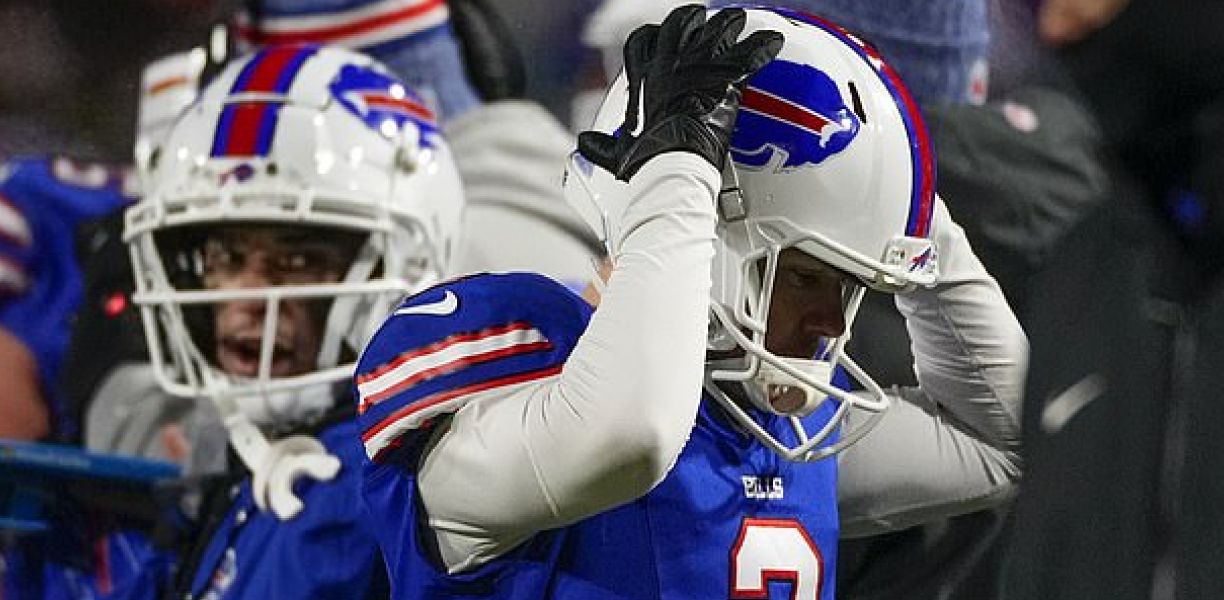
    For Tyler Bass he’s feeling that cruelty more than anyone right now after he missed a field goal that could have sent the Buffalo Bills and Kansas City AFC Divisional playoff game to overtime.

    Sure, the Chiefs could have scored from the resulting kick-off but we’re not here to talk about ‘what-ifs’, we’re looking at the facts.

    So here they are: With two minutes to play, Bass’ attempt from 44 yards out went right, meaning the Chiefs gained possession, got a first down, took a knee twice to run down the clock and made their way through to the AFC Championship Game.

    A quick look on social media is enough to see that Bass is getting some serious heat from football fans (especially Bills fans) and memes about his miss are flooding social media feeds.

    Failure is something that happens often in sport, but when you have a massive game on the line that failure can feel larger than other.

    Athletes in situations like these can feel guilty, a sense of loss, sadness, questioning what could have been and so much more. 

    So how do athletes, elite or otherwise, deal with failures like Bass’ and come back better than before?

    Normalize Failure and Reframe the Narrative

    Athletes and coaches are encouraged to shift their perspective on failure. Rather than perceiving it as a setback, it should be embraced as a crucial steppingstone on the path to success.

    Approaching failure as a valuable learning experience, rather than a hindrance, empowers athletes to effectively deal with their mistakes and propel themselves toward improvement. 

    Maintain a Growth Mindset

    Cultivate a mindset that perceives setbacks as temporary and opportunities for future success.

    Remind athletes that even the greatest sports icons faced defeats, but their ability to bounce back and persevere ultimately defined their careers.

    A growth mindset fosters resilience, encouraging individuals to focus on development rather than fixed outcomes 

    Reflection on Emotions

    Acknowledging that failure can have an emotional toll on athletes and learning to express their feelings either through conversations with teammates, coaches or sports psychologists.

    Emphasize that these emotions are natural, but do not define an athlete’s self-worth.

    Developing coping strategies like mindfulness or visualization can assist in managing negative emotions and promoting a positive mindset.

    Setting Realistic Goals

    Reassessing and setting realistic short-term and long-term goals is a common coping mechanism.

    By breaking down larger objectives into smaller, achievable milestones, athletes can regain a sense of control and work towards continuous improvement. 

    Mindfulness and Relaxation Techniques

    Incorporate mindfulness and relaxation techniques to manage stress and anxiety.

    Techniques such as deep breathing, progressive muscle relaxation, and meditation can enhance focus, calm the mind, and improve emotional regulation. 


    Thankfully it seems Bass’ teammates are there to rally around him.
    Bills Quarter Back Josh Allen said it was the team that failed, not Bass.

    “We got to be there for him, because again, we execute a couple plays prior, probably signing a different tune right now,” he said after the game.

  • Tennis: A Psychological Battlefield

    Tennis: A Psychological Battlefield

    Author – Vedika Jogani

    A recent graduate from Ithaca College with a Master’s degree in Sports and Exercise Science, specializing in Mental Performance, Vedika Jogani is OMP’s Product and Content Manager.


    As the first grand slam of the year, the Australian Open has always been a stage set for breathtaking performance, emotional rollercoasters and the birth of new champions.

    Tennis, with its swift serves, powerful volleys, and precise footwork is a sport that demands more than just physical capabilities.

    Beneath the surface, the sport transforms into a mental chess game where strategic thinking, focus, concentration and emotional resilience are critical components to win the match.

    Tennis is not merely a game of skill but a psychological battlefield where the mind plays a pivotal role in determining success.

    The mental aspect of tennis comes from its following characteristics: 

    1. The Isolation of the Court: Unlike team sports, tennis is a solitary endeavor on the court.
      The player stands alone, facing an opponent and their own thoughts. This isolation intensifies the mental aspect, as there’s no teammate to share the burden or collaborate with. 
    1. The Significance of Every Point: In tennis, every point matters.
      The scoring system, with its emphasis on accumulation, makes each point a building block for success.
      The mental toll of constantly navigating between the significance of each point, coupled with the consequences of mistakes, requires players to maintain focus and composure. 
    1. Time Between Points: The deliberate pauses between points in tennis offer a canvas for mental preparation.
      Players use this time to reflect on the previous point, regulate their emotions, and strategize for the next move. The importance of these interludes in shaping the mental landscape of the game cannot be overstated. 
    1. Emotional Rollercoaster: The ebb and flow of emotions in tennis is palpable. A successful winner can evoke euphoria, while an unforced error can lead to frustration. Managing this emotional rollercoaster, staying positive after setbacks, and channeling emotions constructively are all part of the mental game that defines a player’s resilience. 

    The reigning world number 1 in women’s tennis, Iga Swiatek, has incorporated a sports psychologist into her entourage, a constant companion at every tournament.

    Swiatek openly discusses the transformative impact of sharpening her mental acuity, attributing a significant part of her on-court success to this focus.

    Recognizing the lapses in concentration during matches, she pinpointed the intervals between points and games as moments where her mind tended to wander.

    Through dedicated mental training as part of her routine, she has been able to improve her focus and concentration during matches.

    Joining the ranks of athletes attuned to the crucial role of mental fortitude is former men’s world number 1, Andy Murray.

    His initiation into sports psychology dates back to 2012, a deliberate move aimed at fostering heightened focus and relaxation on the court.

    For Murray, a clutter-free mind is paramount to optimal performance. He articulates, “When my mind isn’t free of anything that might be frustrating me away from the court, I can’t focus as well as I need to.”.

    This newfound mental clarity empowers him to step onto the court unburdened, playing with heightened precision and a clearer thought process. 

    Other Tennis related blogs:

    In Murray’s own words, “I can play and think a lot better on the court.”

    Shedding light on the broader impact of off-court influences, he elaborates, “I spoke about things away from the court that may affect you and stop you from being fully focused on tennis.”.

    Murray’s journey underscores the holistic approach athletes are adopting, recognizing that mental fitness is a cornerstone for achieving and sustaining excellence in the fiercely competitive world of tennis. 

    In tennis, the Australian Open is a stage for breathtaking performances and emotional rollercoasters.

    Beyond physicality, tennis is a mental game. From the isolation of the court to the significance of every point, the sport’s mental aspect is crucial. Icons like Iga Swiatek and Andy Murray highlight the role of a clear, focused mind in achieving success in the competitive world of tennis. 

  • Exploring Leadership

    Exploring Leadership

    Author – Vedika Jogani

    A recent graduate from Ithaca College with a Master’s degree in Sports and Exercise Science, specializing in Mental Performance, Vedika Jogani is OMP’s Product and Content Manager.


    In the exciting journey of being an athlete, there are plenty of highs and lows and that’s where a captain or coach steps in – they’re the guiding stars during tough times, making your sports adventure richer.

    A true leader is there not only to lift you up but to craft a uniquely fulfilling experience in sports.

    They serve as mentors, igniting motivation and inspiration, especially when the going gets tough. 

    Their dedication to supporting individuals seamlessly leads us to delve into various leadership styles, shedding light on how effective leaders play a crucial role in the overall growth and success of athletes. 

    Exploring Leadership Styles:

    1. Bass’s Transformational Leadership Theory (1985) posits that effective leaders inspire and motivate followers by elevating their aspirations and fostering a collective commitment to organizational goals through charisma, intellectual stimulation, individualized consideration, and inspirational motivation. 
    1. Emotional Intelligence, popularized by Daniel Goleman, emphasizes the ability to recognize, understand, and manage one’s own emotions and those of others for effective interpersonal relationships and leadership. 
    1. Chelladurai and Saleh’s (1980) Multidimensional Model of Leadership identifies five leader behaviors (training and instruction, democratic behavior, autocratic behavior, social support, and positive feedback) to understand their impact on athlete satisfaction and performance in sports settings. 
    1. Authentic Leadership, as conceptualized by Avolio & Luthans (2006), Gardner et al. (2005), George (2007), Kernis (2003), and Luthans & Avolio (2003), emphasizes genuine self-awareness, transparent communication, and ethical behavior in leaders to foster positive organizational outcomes. 

    Recognizing your unique leadership style is crucial for fostering the growth of both athletes and the team.

    Leaders leverage these distinctive characteristics as powerful tools to elevate their team’s performance to new heights. 

    Characteristics that Transcend the Game:

    1. The Whole is Greater than the Parts: A true leader understands that the team’s collective strength surpasses individual brilliance. Trusting in the abilities of each teammate, a leader fosters an environment where everyone plays their best, leveraging their unique talents to contribute to the team’s success. 
    1. Authentic Relationship Building: Super Bowl champion and Patriots captain, Matthew Slater (pictured above), embodies authentic leadership by emphasizing genuine care for teammates as individuals, not just players. He says, ‘“[It] starts with showing them that I care about them as men and that I care about the trajectory of their lives moving forward beyond the game of football.”
    1. Winning is Not Everything: Beyond the pursuit of victory, a leader is invested in the success of every player. Instilling a mindset that values sportsmanship over mere triumphs, leaders inspire their teams to persevere, play with integrity, and never give up even in the face of challenges. 
    1. Aggression in Intent Rather than Expression: Leaders channel aggression not through overt displays of dominance, but through the intent to push boundaries and elevate the team. This intentional aggression manifests itself as a driving force that fuels determination, resilience, and a commitment to reaching new heights collectively. 

    In the dynamic realm of sports, leaders serve as guiding stars, crafting fulfilling experiences by igniting motivation and inspiration.

    From transformative styles to authentic approaches, leaders transcend the game, fostering positive outcomes and prioritizing collective success over individual brilliance.

    Characteristics like valuing authentic relationships, prioritizing sportsmanship, and channeling aggression with intent underscore their enduring impact on both the team and individual trajectories.

  • How National Championship Winning QB Harnessed the Power of Mental Skills

    How National Championship Winning QB Harnessed the Power of Mental Skills

    Authors – Vedika Jogani & Ryan Miller

    A recent graduate from Ithaca College with a Master’s degree in Sports and Exercise Science, specializing in Mental Performance, Vedika Jogani is OMP’s Product and Content Manager.

    Ryan Miller is an award-winning content creator and Head of Content for OMP,


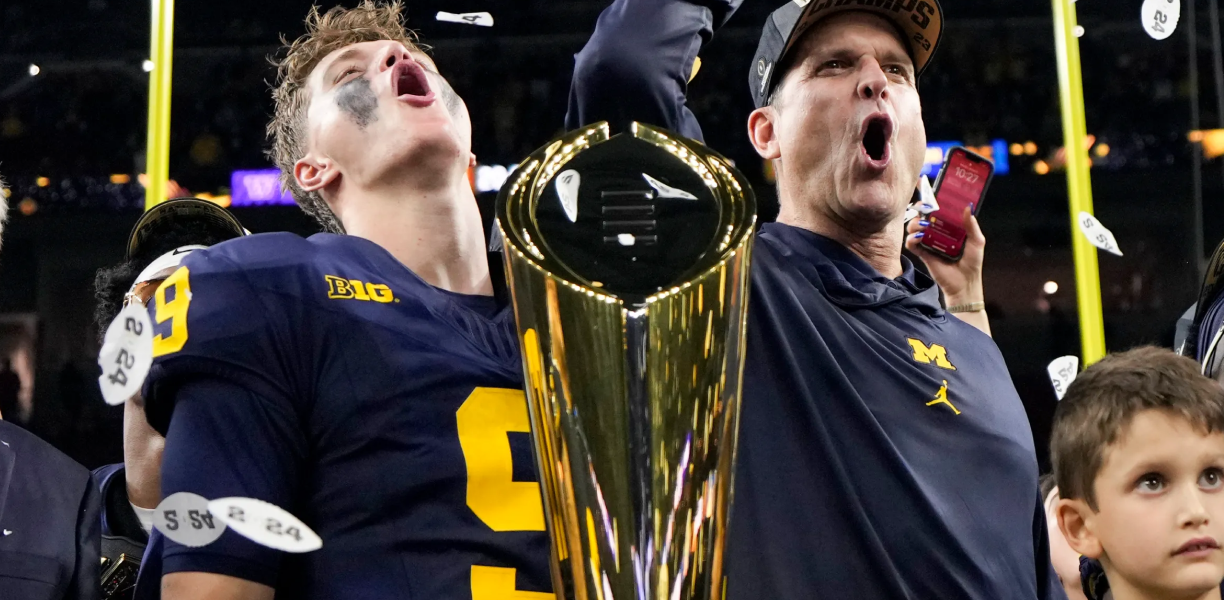
    When Michigan quarterback J.J. McCarthy held the National Championship trophy aloft in Houston on Monday night, it wasn’t the first time he’d done so.

    Sure, McCarthy had not won a College Football National Championship before this year, but he’d seen himself doing it before, inside his own mind using the power of visualization. 

    A key player for the Wolverines throughout their campaign, McCarthy was again influential in the 34 to 14 win over the Washington Huskies, the college’s first since 1997. 

    In the lead up to the game McCarthy shed light on the pivotal role mental skills such as visualization and meditation has played in unlocking his peak performance. 

    McCarthy revealed that he incorporates visualization into his daily routine, with a unique twist: every morning while brushing his teeth, he envisaged himself proudly hoisting the national championship trophy.

    Scientific studies underscore the potency of visualization as a performance-enhancing tool, fostering athlete composure and adaptability under pressure.

    The subconscious processes these visualizations in real time, igniting neurons and contributing to success on the field.

    McCarthy’s disciplined commitment to visualization played a crucial role in turning his dream into a reality, propelling his team to clinch the title of national champion. 

    How National Championship Winning QB Harnessed the Power of Mental Skills
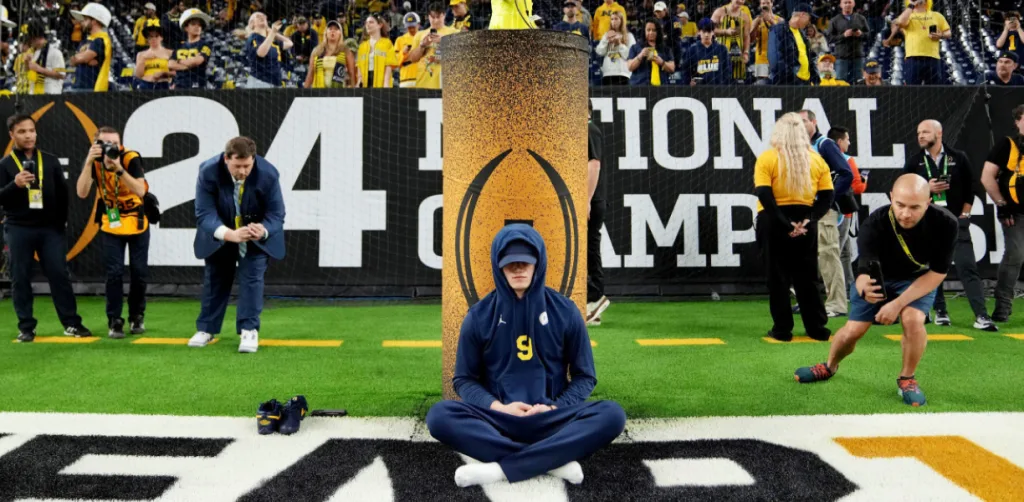
    McCarthy meditating before the National Championship game.

    In addition to his adept use of visualization, McCarthy adopts a serene pre-game ritual.

    Two hours before kickoff, he can be found on the field, sitting cross-legged with his back against a padded goalpost, hands clasped in his lap, and eyes closed – engaging in meditation.

    “Taking it day by day, and making sure that I keep up with the discipline of my meditation,” he said in November. 

    “It’s a great centering piece for me. A lot of guys around the program do it, too, and it does a lot for them as well.”

    McCarthy acknowledged how meditation has not only enhanced his athletic performance but has also become a crucial component of his mental health and overall well-being.

    “I was going through my first depression,” he said. 

    “I was obsessed with trying to find ways to improve my mental health and improve my overall well-being. Meditation was one of the biggest things that kept popping up. So, I was like, ’Let’s give this a try.”

    Initially turning to meditation during a challenging period of depression, he now dedicates 20 to 30 minutes each morning to the practice, extending it to 10 to 15 minutes on game days. 

    Research substantiates the positive impact of meditation, revealing its ability to reduce competition-related stress and facilitate athletes in reaching the coveted “zone.” J.J McCarthy’s intentional use of mental skills, blending visualization and meditation, undoubtedly contributed to his outstanding performance and the 27-year-awaited triumph, with his team proudly lifting the championship trophy. 

  • Becoming Clutch: The Mental Side of Buzzer-Beaters

    Becoming Clutch: The Mental Side of Buzzer-Beaters

    Author – Vedika Jogani

    A recent graduate from Ithaca College with a Master’s degree in Sports and Exercise Science, specializing in Mental Performance, Vedika Jogani is OMP’s Product and Content Manager. During her studies, Vedika worked closely with Ithaca’s Men’s and Women’s Tennis Teams and Women’s Volleyball Team as their Mental Performance Consultant. Vedika is currently completing her Certified Mental Performance Consultant Certification.


    In the fast-paced game of basketball, every second counts, making a player’s ability to stay calm under pressure even more critical.

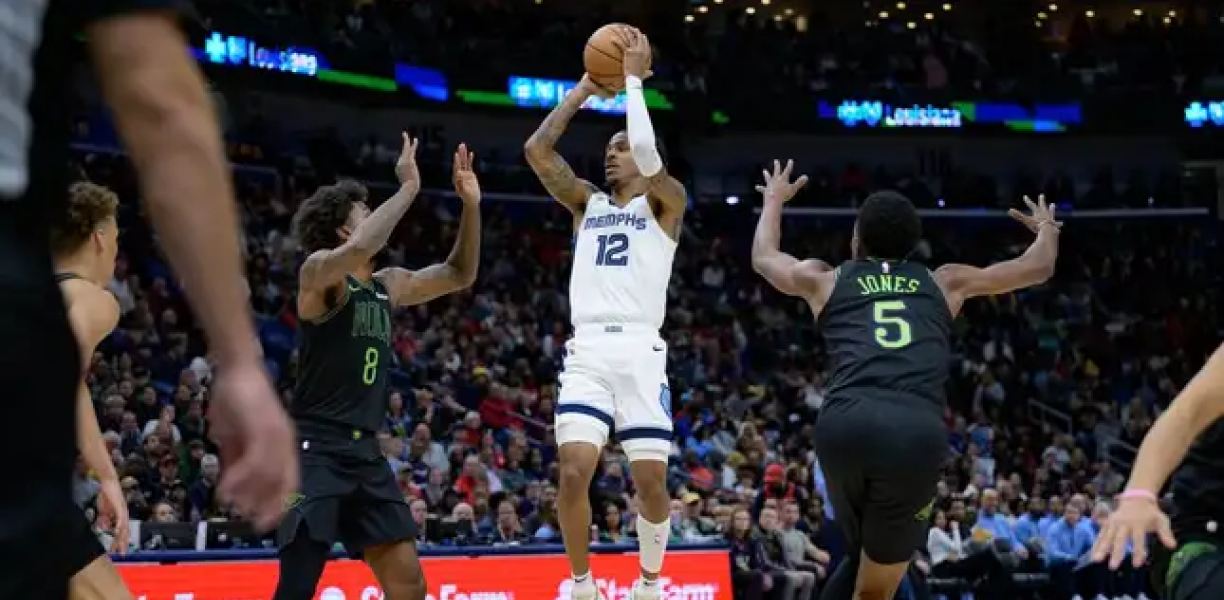
    In Tuesday night’s game, Ja Morant’s buzzer beater led the Grizzlies to a 115-113 victory over the Pelicans.

    The pace of the game places an added layer of complexity to maintain composure and the mental skills required for clutch performances like Morant’s.

    Here are Five Key Mental Skills that can assist basketball players in being great in clutch situations:

    1. Embracing Pressure

    Buzzer-beater situations inherently come bundled with intense pressure, and athletes must master the art of embracing it.

    Rather than succumbing to the weight of the moment, they can convert this pressure into a powerful motivator.

    Techniques such as visualization, controlled breathing, and positive self-talk serve as valuable tools in transforming pressure into a source of inspiration and determination.

    2. Staying Present in the Moment

    Success in buzzer-beater situations hinges on the player’s ability to remain firmly rooted in the present moment.

    Distractions, particularly dwelling on past mistakes, can hinder performance.

    Adopting practices such as progressive muscle relaxation and mindfulness helps athletes maintain mental clarity, ensuring that they are fully attuned to the critical decisions and actions required in the heat of the moment.

    3. Confidence

    Confidence emerges as the secret sauce for delivering performances in high-stakes moments.

    Developing pre-shot routines and consistently rehearsing those critical moments not only instills confidence in individual players but also inspires and motivates the entire team.

    This reservoir of self-assurance enables athletes to execute plays with precision, even when the pressure reaches its peak.

    4. Handling Adversity

    Buzzer-beater shots bring forth unforeseen challenges, and the ability to handle adversity is crucial.

    Cultivating a resilient mindset allows players to rebound swiftly from setbacks, redirecting their focus and concentration towards the next opportunity.

    This mental strength allows athletes to deal with the unpredictability of the game.

    5. Learning from Past Mistakes

    An integral aspect of maintaining a strong and disciplined mental game is the continuous process of learning from past performances and failures.

    Analyzing these experiences fosters a growth mindset, providing invaluable insights into individual strengths and areas for improvement.

    By engaging in this reflective practice, athletes equip themselves with the knowledge needed to perform at their absolute best when the pressure is at its peak.


    Thriving in pressure-filled moments demands more than just physical prowess; it necessitates a strong and disciplined mental game.

    By staying present, athletes sharpen their focus and decision-making abilities.

    Building confidence provides the self-assurance needed to execute crucial plays with precision.

    Moreover, developing resilience ensures that setbacks become steppingstones rather than stumbling blocks.

    As athletes engage in these mental strategies, they fortify themselves to tackle pressure head-on, transforming challenging moments into opportunities for triumph and personal growth.